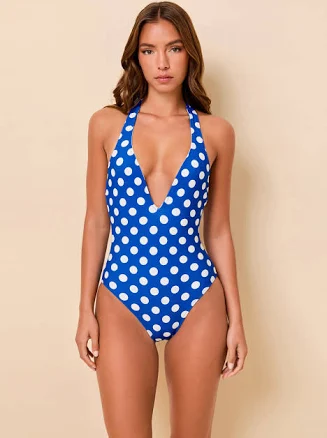
Solid & Striped Women's Willow Reversible Halter One Piece Swimsuit
Lower PFAS concern for standard swimwear; no evidence of water-repellent coating treatment typical of performance brands.
This reversible nylon/polyester one-piece has no public disclosure of water-repellent or stain-resistant treatments. Standard swimwear fabrics carry lower PFAS risk than performance apparel with water-repellent coating coatings.
The better-graded swap
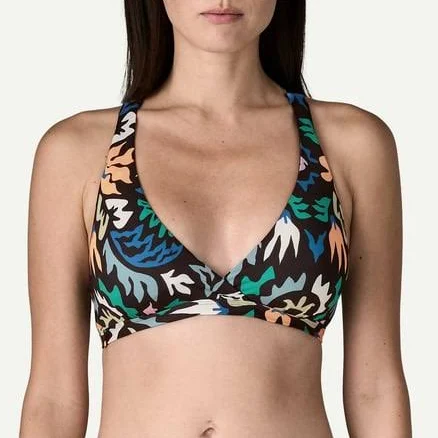
Patagonia
Patagonia Women's Bottom Turn Racerback Bikini Top
90/100 safety
Same rubric that flunked this product. The swap earned Excellent.
Still want this one anyway? Check the price on Amazon. We’d swap it.
Material
Nylon/polyester blend swimsuit fabric (standard textile)
Brand disclosure
Brand is silent on PFAS
Lab data
No public lab test
What Solid & Striped Women's Willow Reversible is made of, ingredients and materials
This swimsuit uses a nylon and polyester blend, the industry standard for most contemporary swimwear. Neither material itself poses acute chemical hazards under normal wear conditions. The reversible construction means double layers of the same fabric with no adhesives or coatings typically required for water-resistant performance garments. This simplicity reduces exposure pathways to problematic finishes like water-repellent coating (water-repellent coating) coatings, which can contain elevated PFAS.
What’s concerning
Category baseline
The starting point for this type of product, before anything specific to this product is counted.
No PFAS disclosure
No public statement from the brand about PFAS in this product.
Antimony in polyester
Polyester production can use antimony trioxide as a catalyst. Levels in finished garments are typically very low and not bioavailable under normal wear. No specific test data for this product, but this represents a potential trace contaminant common to all polyester textiles, including this swimsuit.
Degradation and microfiber shedding
Chlorine and saltwater exposure degrade nylon fibers over time, potentially increasing microfiber release into aquatic environments with repeated washing and wear. This is a use-phase concern common to all synthetic swimwear, not specific to Solid & Striped, but relevant to informed consumption.
What’s reassuring
Base material not linked to PFAS
The main material recorded for this product is not one associated with PFAS.
Azo dyes
No specific recall or testing data on record for this product. Nylon and polyester swimwear typically use standard reactive or disperse dyes; azo dyes are less common in swimwear than in apparel due to wet-use requirements, but color fastness testing is not publicly documented for Solid & Striped.
Formaldehyde / VOCs
Nylon and polyester blends do not inherently require formaldehyde-based finishing resins. No public record of formaldehyde concerns in Solid & Striped products. Standard swimwear production does not employ the wrinkle-resist or anti-shrink finishes that introduce formaldehyde risk in apparel textiles.
Source, ATSDR ↗Flame retardants
Swimwear is not subject to mandatory flammability standards that would require flame retardant coatings. No evidence of intentional flame retardant application in standard nylon-polyester swimwear.
Source, EPA ↗The full breakdown
The brand's record and disclosure
Solid & Striped maintains no publicly documented commitment to textile chemical transparency or third-party certifications such as OEKO-TEX or GOTS. The brand has not faced major recalls or chemical controversies in public record. Their silence on PFAS and chemical safety, while not a red flag in itself for a basic swimwear product, reflects the norm for contemporary fashion swimwear rather than best-in-class disclosure.
How it compares in its category
Standard nylon-polyester swimsuits occupy the middle ground, lower concern than technical performance swimwear treated with water-repellent finishes, but higher concern than premium sustainable brands. Most mainstream swimwear at this price point carries similar material profiles and disclosure practices. Solid & Striped's reversible design is a common construction that does not introduce additional chemical risk versus single-layer alternatives.
If you buy it
Rinse thoroughly in fresh water after each salt or chlorine use to prevent fiber degradation and remove residual chlorine, which can degrade nylon over time. Machine wash cold with mild detergent; avoid bleach and fabric softeners, which can damage elasticity and synthetic fibers. Air dry away from direct heat and sunlight to extend garment life. Replace if elastic fails or seams separate, as repair is typically not practical for swimwear.
What we don’t know
- Basis
- Model estimate, 72% confidence, not a lab result
- Lab test
- None on record for this exact product
- Brand statement
- Solid & Striped has made none
Formulations change between production runs, so check the current label. How we grade.
Better-graded alternatives in Swimwear
Patagonia
Women's Bottom Turn Racerback Bikini Top
- Nylon/polyester blend with elastane (standard swimwear)
- The brand calls it PFAS-free, which we have not verified
- Elastane (spandex) degradation under heat or chlorine
More swimwear grades
How we score, every product runs through the same public 0-100 rubric based on materials, coatings, brand disclosure, lab findings, and recalls. See the full methodology → Spotted a mistake? Report an error.