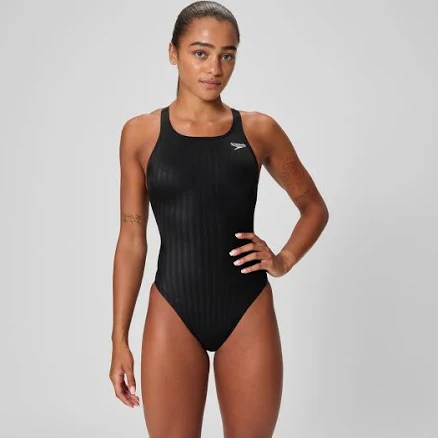
Speedo Women's Aquablade Recordbreaker One-Piece Swimsuit
Moderate PFAS risk from likely water-repellent coating; contact Speedo before buying.
Aquablade Recordbreaker uses polyester treated for water repellency, typically relying on Teflon-family coating-based water-repellent coating finishes containing PFAS. Speedo makes no public statement about PFAS or commitment to avoid it, with no third-party testing or certifications available.
The better-graded swap
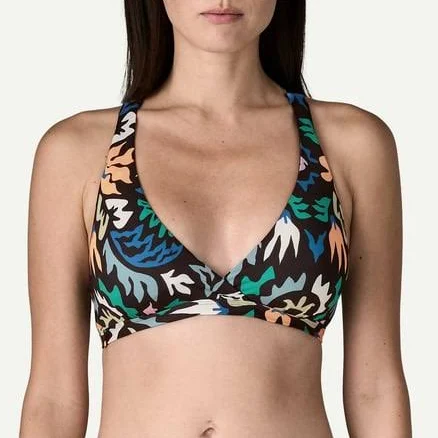
Patagonia
Patagonia Women's Bottom Turn Racerback Bikini Top
90/100 safety
Same rubric that flunked this product. The swap earned Excellent.
Still want this one anyway? Check the price on Amazon. We’d swap it.
Material
Polyester blend with water-repellent coating treatment (likely Teflon-family coating-based)
Brand disclosure
Brand is silent on PFAS
Lab data
No public lab test
You may also be interested in
Top-graded picks in the categories readers replace first, every one scored on the same rubric.

- polypropylene filter housing, carbon/sediment cartridge
- We found no PFAS statement from the brand
- Bacterial growth in spent cartridges
3 hazards checked on this product, all on its full breakdown.

Aquasure
Premier Series 75 GPD Under Sink Reverse Osmosis Water Filtration System
- RO membrane, carbon filters, stainless steel housing
- We found no PFAS statement from the brand
- Bacterial and microbial growth in housing and filters
4 hazards checked on this product, all on its full breakdown.

Avocado
Vegan Mattress
- organic cotton, natural latex, coconut coir, recycled steel coils
- The brand calls it PFAS-free, which we have not verified
- Heavy metals
2 hazards checked on this product, all on its full breakdown.
What Speedo Women's Aquablade Swimsuit is made of, ingredients and materials
The Aquablade Recordbreaker is polyester blended with elastane (spandex), treated with a water-repellent coating (water-repellent coating) finish. water-repellent coating coatings on swimwear are typically Teflon-family coating-based to provide quick-dry and shape-retention properties, which means PFAS chemicals are likely present in the coating. Polyester itself does not leach hazardous chemicals into skin or water under normal use, but the water-repellent coating treatment is the primary chemical concern for this product class.
What’s concerning
Category baseline
The starting point for this type of product, before anything specific to this product is counted.
No PFAS disclosure
No public statement from the brand about PFAS in this product.
Waterproof / stain-resistant treatment
Water-repellent coating treatments have historically used PFAS.
PFAS
Teflon-family coating-based water repellent finishes on polyester swimwear commonly contain long-chain or short-chain PFAS. No third-party test results or brand disclosure available for this specific product; assessment is based on material class and industry standard practice.
Source, ATSDR ↗Antimony catalyst in polyester
Polyester is synthesized using antimony catalysts, which can remain as residual impurities (typically under 250 ppm). Skin contact during wear is minimal risk; concern is primarily if polyester is incinerated or decomposed. No testing data specific to Speedo swimwear is available.
Elastane/spandex degradation over time
Spandex loses elasticity after 2 to 3 years of regular chlorinated water or UV exposure. As the fiber breaks down, microfibers shed into water. This is a material property, not a chemical toxicity issue, but a source of microplastic shedding during use and laundering.
Coating degradation and leachables
Water-repellent coating coatings can degrade under heat, harsh detergents, or chlorine. No published data on leachate composition from worn Speedo water-repellent coating; risk is theoretical but consistent with polymer aging. Proper cold-water care minimizes this.
What’s reassuring
Azo dyes in polyester
Speedo does not advertise OEKO-TEX or Bluesign certification for this line. Polyester can be dyed with restricted azo dyes (which break down to carcinogenic amines), but no recalls or complaints specific to Speedo Aquablade dye safety are on record. Risk is typical for uncertified athletic polyester.
How is this PFAS grade calculated?
The brand's record and disclosure
Speedo has not publicly committed to PFAS-free manufacturing or disclosed water-repellent coating treatment chemistry for this product line. The brand does not advertise third-party certifications (OEKO-TEX, Bluesign, or fluorine-free water-repellent coating alternatives) for the Aquablade line. Without direct confirmation from Speedo, consumers cannot verify whether water-repellent coating is fluorine-based or an emerging non-fluorine alternative. This silence on a known chemical choice in swimwear is typical across major athletic brands but represents a transparency gap.
How it compares in its category
Most mainstream competitive and recreational swimwear uses Teflon-family coating water-repellent coating, making this product representative of standard industry practice rather than a leader. Alternatives exist (brands like Patagonia and some niche makers now offer fluorine-free water-repellent coating), but they are less common and often pricier. The Aquablade is competitively positioned on performance (speed, durability) rather than chemical safety. If water-repellent coating-free or certified low-chemical options are a priority, this product does not stand out favorably.
If you buy it
Wash in cold water before first wear to reduce potential surface chemical residue. Machine wash on gentle with mild detergent and air dry; avoid prolonged heat (hot water, dryers) which can accelerate coating breakdown and potential leaching. Replace the suit after 2 to 3 years of regular use or when elasticity noticeably declines, as worn water-repellent coating coatings lose water repellency but may shed microfibers. If you are pregnant, nursing, or concerned about PFAS exposure, contact Speedo directly to request water-repellent coating composition before purchase.
What is not known about PFAS in this product?
- Basis
- Model estimate, 45% confidence, not a lab result
- Lab test
- None on record for this exact product
- Brand statement
- Speedo has made none
Formulations change between production runs, so check the current label. How we grade.
What are the PFAS-free alternatives to Speedo Women's Aquablade Recordbreaker One-Piece Swimsuit?
- Nylon/polyester blend with elastane (standard swimwear)
- The brand calls it PFAS-free, which we have not verified
- Elastane (spandex) degradation under heat or chlorine

- Cotton/cotton-blend seersucker plaid
- We found no PFAS statement from the brand
- Azo dyes and colorfast stability
2 hazards checked on this product, all on its full breakdown.
Find an alternative on Amazon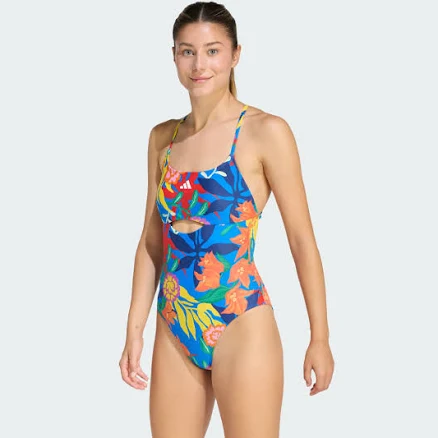
- Polyester/nylon swimsuit fabric, likely uncoated or standard finish
- Azo dyes and synthetic colorants
4 hazards checked on this product, all on its full breakdown.
Find an alternative on AmazonMore swimwear grades
How we score, every product runs through the same public 0-100 rubric based on materials, coatings, brand disclosure, lab findings, and recalls. See the full methodology → Spotted a mistake? Report an error.