
Speedo Women's Moderate Ultraback PowerFLEX One Piece Swimsuit
Avoid unless Speedo confirms PFAS-free water-repellent coating treatment.
PowerFLEX swimsuits use synthetic blends with water-repellent treatment, a known PFAS source in apparel. Speedo does not publicly disclose water-repellent coating chemistry or provide PFAS-free certification, leaving PFAS presence unconfirmed without third-party lab data.
The better-graded swap
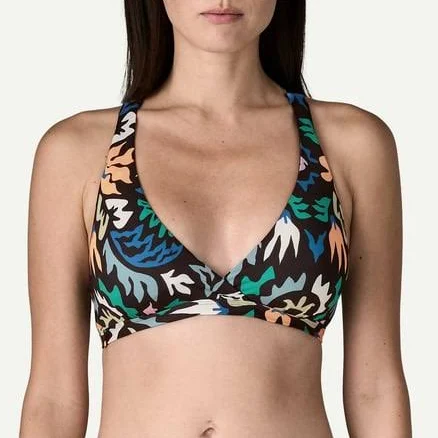
Patagonia
Patagonia Women's Bottom Turn Racerback Bikini Top
90/100 safety
Same rubric that flunked this product. The swap earned Excellent.
Still want this one anyway? Check the price on Amazon. We’d swap it.
Material
Polyester/nylon blend with water-repellent coating (water-repellent coating) finish
Brand disclosure
Brand is silent on PFAS
Lab data
No public lab test
You may also be interested in
Top-graded picks in the categories readers replace first, every one scored on the same rubric.

- polypropylene filter housing, carbon/sediment cartridge
- We found no PFAS statement from the brand
- Bacterial growth in spent cartridges
3 hazards checked on this product, all on its full breakdown.

Aquasure
Premier Series 75 GPD Under Sink Reverse Osmosis Water Filtration System
- RO membrane, carbon filters, stainless steel housing
- We found no PFAS statement from the brand
- Bacterial and microbial growth in housing and filters
4 hazards checked on this product, all on its full breakdown.

Avocado
Vegan Mattress
- organic cotton, natural latex, coconut coir, recycled steel coils
- The brand calls it PFAS-free, which we have not verified
- Heavy metals
2 hazards checked on this product, all on its full breakdown.
What Speedo Women's Moderate Piece Swimsuit is made of, ingredients and materials
This suit is a polyester/nylon blend with a water-repellent coating (water-repellent coating) finish applied to the surface to shed water and chlorine. water-repellent coating coatings on swimwear are historically treated with PFAS-based compounds, though some manufacturers have begun using alternatives not linked to PFAS. The polyester and nylon base fabrics themselves are stable polymers, but the finish layer is where chemical risk concentrates. Once the water-repellent coating degrades from use and washing, the suit loses water repellency and may begin to absorb chlorine more readily, accelerating material fatigue.
What’s concerning
Category baseline
The starting point for this type of product, before anything specific to this product is counted.
No PFAS disclosure
No public statement from the brand about PFAS in this product.
Waterproof / stain-resistant treatment
Water-repellent coating treatments have historically used PFAS.
PFAS
Water-repellent coating finishes on polyester swimwear commonly contain PFAS compounds; Speedo's specific formulation is undisclosed. This is the primary chemical concern for this product class.
Source, ATSDR ↗Antimony in polyester fibers
Polyester is sometimes produced using antimony as a catalyst; however, antimony is tightly bound in the polymer matrix and migration into skin contact or water is considered minimal under normal use. No specific warnings exist for Speedo swimwear.
Microplastic shedding from fiber breakdown
All polyester swimwear sheds microfibers during washing and wear. This is an environmental concern rather than a direct health hazard to the wearer, but accumulation in water systems is documented. Speedo does not market anti-shed technology on this model.
What’s reassuring
Azo dyes in polyester
No recalls or warnings specific to Speedo swimwear dyes have been reported. Polyester dyes in mainstream brands are generally compliant with US and EU restrictions on carcinogenic azo compounds, though batch-level testing is not publicly disclosed.
Formaldehyde / VOCs
Modern polyester swimwear finishes rarely rely on formaldehyde-releasing compounds. No formaldehyde contamination has been reported for Speedo products, though full manufacturing transparency is not available.
Source, ATSDR ↗How is this PFAS grade calculated?
The brand's record and disclosure
Speedo does not publicly disclose the chemistry of its water-repellent coating treatments or provide PFAS-free certifications on product pages. The brand has not published statements confirming PFAS phase-out across its swimwear lines, nor does it list third-party eco-certifications on this style. This silence on treatment chemistry is typical in the broader swimwear industry and reflects lack of regulatory requirement for disclosure. Without direct confirmation from Speedo, the water-repellent coating finish cannot be assumed PFAS-free.
How it compares in its category
Most conventional swimwear brands (Speedo, Arena, TYR) do not transparently disclose water-repellent coating chemistry. Emerging alternatives like Girlfriend Collective and some Patagonia styles market PFAS-free or PFC-free finishes explicitly. Standard polyester swimwear without water-repellent coating treatment avoids the finish hazard entirely but sacrifices durability and water-shedding performance. This product sits in the mainstream performance segment where PFAS treatment remains unconfirmed industry practice.
If you buy it
Rinse the suit in fresh water after each use and air-dry away from direct heat or sunlight, which can accelerate coating breakdown. Replace the suit every 1-2 years of regular use or when the fabric begins to lose elasticity, the seams weaken, or the water-repellent coating finish visibly peels or flakes. Do not use fabric softener, bleach, or hot water, as these degrade both the polyester and the water-repellent coating layer. Consider reaching out to Speedo customer service to ask explicitly whether this model uses PFAS-based or PFAS-free water-repellent coating before committing.
What is not known about PFAS in this product?
- Basis
- Model estimate, 45% confidence, not a lab result
- Lab test
- None on record for this exact product
- Brand statement
- Speedo has made none
Formulations change between production runs, so check the current label. How we grade.
What are the PFAS-free alternatives to Speedo Women's Moderate Ultraback PowerFLEX One Piece Swimsuit?
- Nylon/polyester blend with elastane (standard swimwear)
- The brand calls it PFAS-free, which we have not verified
- Elastane (spandex) degradation under heat or chlorine

- Cotton/cotton-blend seersucker plaid
- We found no PFAS statement from the brand
- Azo dyes and colorfast stability
2 hazards checked on this product, all on its full breakdown.
Find an alternative on Amazon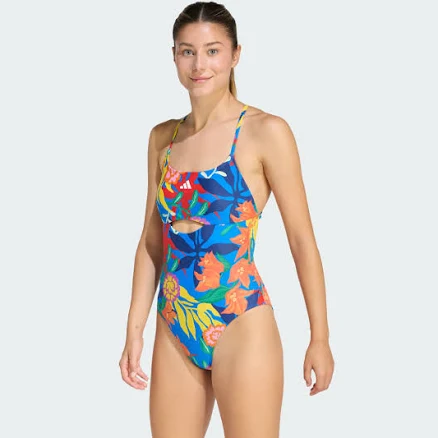
- Polyester/nylon swimsuit fabric, likely uncoated or standard finish
- Azo dyes and synthetic colorants
4 hazards checked on this product, all on its full breakdown.
Find an alternative on AmazonMore swimwear grades
How we score, every product runs through the same public 0-100 rubric based on materials, coatings, brand disclosure, lab findings, and recalls. See the full methodology → Spotted a mistake? Report an error.