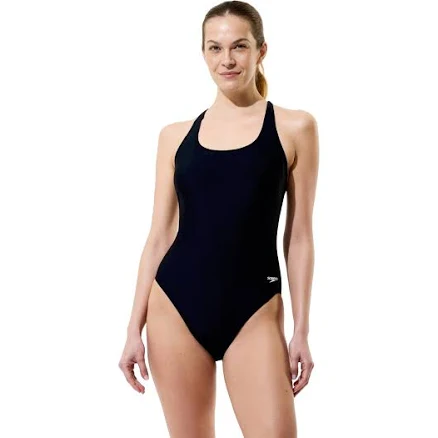
Speedo Women's Ultraback One Piece Swimsuit
Skip until Speedo clarifies water-repellent coating chemistry or provides third-party testing.
Ultraback uses synthetic fabrics with water-repellent coating finish typical of performance swimwear, a treatment category historically linked to PFAS, though non-PFAS alternatives exist. Speedo provides no disclosure.
The better-graded swap
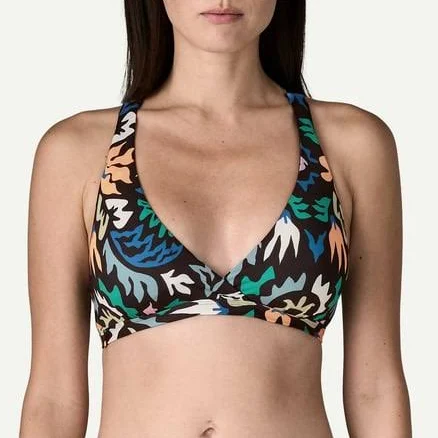
Patagonia
Patagonia Women's Bottom Turn Racerback Bikini Top
90/100 safety
Same rubric that flunked this product. The swap earned Excellent.
Still want this one anyway? Check the price on Amazon. We’d swap it.
Material
Nylon/polyester blend with water-repellent coating (water-repellent coating) finish
Brand disclosure
Brand is silent on PFAS
Lab data
No public lab test
You may also be interested in
Top-graded picks in the categories readers replace first, every one scored on the same rubric.

- polypropylene filter housing, carbon/sediment cartridge
- We found no PFAS statement from the brand
- Bacterial growth in spent cartridges
3 hazards checked on this product, all on its full breakdown.

Aquasure
Premier Series 75 GPD Under Sink Reverse Osmosis Water Filtration System
- RO membrane, carbon filters, stainless steel housing
- We found no PFAS statement from the brand
- Bacterial and microbial growth in housing and filters
4 hazards checked on this product, all on its full breakdown.

Avocado
Vegan Mattress
- organic cotton, natural latex, coconut coir, recycled steel coils
- The brand calls it PFAS-free, which we have not verified
- Heavy metals
2 hazards checked on this product, all on its full breakdown.
What Speedo Women's Ultraback Piece Swimsuit is made of, ingredients and materials
The Ultraback is constructed from a nylon and polyester blend, common in performance swimwear for stretch, durability, and quick-dry properties. The 'water-repellent coating' (water-repellent coating) finish is the material-specific concern, this coating extends garment life and water resistance, but the chemistry is not publicly disclosed by Speedo. water-repellent coating finishes have historically relied on fluorinated compounds (PFAS), though some manufacturers have shifted to fluorine-free alternatives. Without third-party testing or brand transparency, the actual chemistry cannot be confirmed.
What’s concerning
Category baseline
The starting point for this type of product, before anything specific to this product is counted.
No PFAS disclosure
No public statement from the brand about PFAS in this product.
Waterproof / stain-resistant treatment
Water-repellent coating treatments have historically used PFAS.
water-repellent coating finish chemistry (undisclosed)
The water-repellent coating may contain PFAS or fluorine-free alternatives; Speedo does not disclose which. Without testing or brand statement, exposure risk cannot be quantified but is plausible given category history.
Fiber degradation and microfiber shedding
Nylon and polyester shed microfibers when washed or worn; this is inherent to the material, not a manufacturing defect. Practical impact on wearer health is unclear, but environmental release is documented for all synthetic swimwear.
What’s reassuring
Azo dyes in polyester
No specific recalls or warnings for Speedo swimwear dyes are on record. Polyester can be dyed with azo compounds, but reputable manufacturers typically avoid restricted azo dyes; Speedo's scale suggests quality control, but no third-party verification is available.
Antimony catalyst residue in polyester
Polyester synthesis uses antimony as a catalyst, and trace residues can persist. Skin contact with swimwear is prolonged and often wet (which may increase leaching), but documented health issues from swimwear antimony are not established in public health records.
Formaldehyde / VOCs
Swimwear may use formaldehyde-based resins for shape-hold or elasticity. No recall or warning specific to Speedo swimwear exists, and chlorine and salt exposure during use would degrade any residual formaldehyde, but pre-use rinsing provides extra caution.
Source, ATSDR ↗How is this PFAS grade calculated?
The brand's record and disclosure
Speedo has not published specific information about water-repellent coating chemistry, PFAS content, or certifications for this product line. The brand does not list third-party testing results (Oeko-Tex, bluesign, etc.) on its website for swimwear. No recalls or documented safety incidents involving Speedo swimwear chemicals have been widely reported, but the absence of disclosure is a transparency gap rather than a safety assurance. Other major swimwear brands (e.g., Patagonia) now label PFAS-free alternatives explicitly; Speedo's silence on this issue is notable given category awareness.
How it compares in its category
High-performance nylon/polyester swimwear is a standard category. Speedo occupies the mid-to-premium price tier and competes on durability and fit, not chemical transparency. Some competitors (Patagonia, ASOS conscious lines) now market PFAS-free water-repellent coating or alternative finishes; Speedo has not made this distinction publicly available. If water-repellent coating chemistry transparency is a priority, this product sits below emerging category standards set by brands making fluorine-free claims explicit.
If you buy it
Rinse in cool water after salt or chlorine exposure to reduce skin contact with residual chemicals and extend water-repellent coating durability. Avoid hot water and machine drying, which can degrade the finish and release volatiles; air-dry instead. Do not bleach or use fabric softeners, which break down the water-repellent coating. If you are concerned about PFAS exposure, contact Speedo's customer service to request water-repellent coating material specifications; their response will inform your decision to keep or return.
What is not known about PFAS in this product?
- Basis
- Model estimate, 45% confidence, not a lab result
- Lab test
- None on record for this exact product
- Brand statement
- Speedo has made none
Formulations change between production runs, so check the current label. How we grade.
What are the PFAS-free alternatives to Speedo Women's Ultraback One Piece Swimsuit?
- Nylon/polyester blend with elastane (standard swimwear)
- The brand calls it PFAS-free, which we have not verified
- Elastane (spandex) degradation under heat or chlorine

- Cotton/cotton-blend seersucker plaid
- We found no PFAS statement from the brand
- Azo dyes and colorfast stability
2 hazards checked on this product, all on its full breakdown.
Find an alternative on Amazon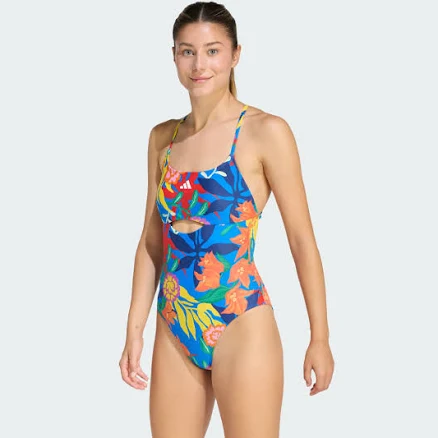
- Polyester/nylon swimsuit fabric, likely uncoated or standard finish
- Azo dyes and synthetic colorants
4 hazards checked on this product, all on its full breakdown.
Find an alternative on AmazonMore swimwear grades
How we score, every product runs through the same public 0-100 rubric based on materials, coatings, brand disclosure, lab findings, and recalls. See the full methodology → Spotted a mistake? Report an error.