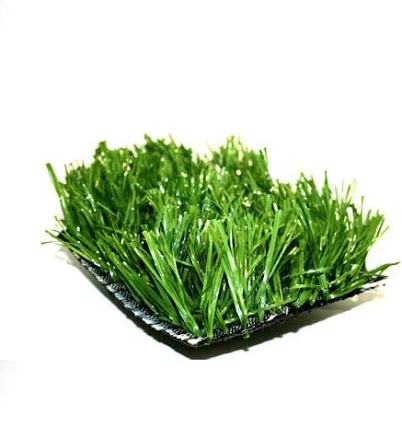
PG40 Artificial Turf
Synthetic turf backing and adhesives often use PFAS; The brand does not disclose.
PG40 turf composition and waterproofing treatments lack public disclosure from the brand. Synthetic turf backing and adhesives commonly contain PFAS without independent testing available.
The better-graded swap
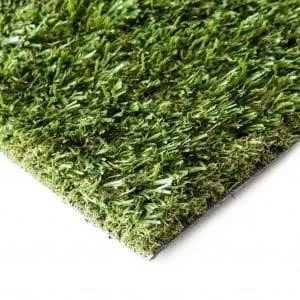
Artificial Landscaping Turf Artificial Turf, Synthetic Grass for Landscaping, Garden, Yards, Fields
75/100 safety
Same rubric that flunked this product. The swap earned Excellent.
Still want this one anyway? Check the price on Amazon. We’d swap it.
Material
polyethylene or polypropylene fibers with unspecified backing/adhesive coating
Brand disclosure
Brand is silent on PFAS
Lab data
No public lab test
You may also be interested in
Top-graded picks in the categories readers replace first, every one scored on the same rubric.

- polypropylene filter housing, carbon/sediment cartridge
- We found no PFAS statement from the brand
- Bacterial growth in spent cartridges
3 hazards checked on this product, all on its full breakdown.

Aquasure
Premier Series 75 GPD Under Sink Reverse Osmosis Water Filtration System
- RO membrane, carbon filters, stainless steel housing
- We found no PFAS statement from the brand
- Bacterial and microbial growth in housing and filters
4 hazards checked on this product, all on its full breakdown.

Avocado
Vegan Mattress
- organic cotton, natural latex, coconut coir, recycled steel coils
- The brand calls it PFAS-free, which we have not verified
- Heavy metals
2 hazards checked on this product, all on its full breakdown.
What PG40 Artificial Turf is made of, ingredients and materials
PG40 uses polyethylene or polypropylene fibers, which are relatively inert plastics and do not leach monomers under normal use conditions. The critical unknown is the backing and adhesive system, synthetic turf backings often use polyurethane, PVC, or latex, each with different chemical profiles. Without specification from the brand, you cannot assess whether the adhesive contains volatile organic compounds (VOCs) or, critically, PFAS-based stain/water repellents commonly used in turf products for durability.
What’s concerning
Category baseline
The starting point for this type of product, before anything specific to this product is counted.
No PFAS disclosure
No public statement from the brand about PFAS in this product.
Waterproof / stain-resistant treatment
Water-repellent coating treatments have historically used PFAS.
Volatile organic compounds (VOCs) from adhesive/backing
Synthetic turf backings and adhesives commonly off-gas in the first weeks to months after installation. The brand's silence on adhesive type makes it impossible to assess VOC load; polyurethane and PVC-based systems carry higher risk than latex, but without disclosure, the grade remains 'possible' rather than established.
Microplastic shedding from fiber wear
PE and PP fibers in artificial turf shed microplastics over time through foot traffic and weather exposure. This is a documented phenomenon in the category and affects all synthetic turf; PG40 offers no material or design features to reduce shedding compared to industry norms.
Degradation of backing/adhesive over time and UV exposure
What’s reassuring
Flame retardants
Many artificial turfs are treated with flame retardants to meet safety codes; The brand does not disclose whether PG40 carries such a treatment, so hazard status cannot be assessed. If present, common flame retardants include halogenated or organophosphate compounds with potential toxicological concerns, but no specific information is available for this product.
Source, EPA ↗Heavy metals
Synthetic turf fibers are often colored with organic or inorganic dyes. No specific testing or disclosure from the brand is on record regarding cadmium, lead, or other heavy metals in PG40 colorants; the industry standard is largely unregulated in this category.
Source, FDA ↗How is this PFAS grade calculated?
The brand's record and disclosure
The brand does not publicly disclose material composition, adhesive chemistry, or PFAS use in the PG40 product line. No third-party certifications (such as GreenGuard or OEKO-TEX) are on record for this product. The company's silence on these details is the primary concern; competitors in the artificial turf space increasingly publish full material declarations in response to PFAS scrutiny, and the brand's absence of such transparency suggests either lack of testing or unwillingness to share findings.
How it compares in its category
Artificial turf as a category carries inherent PFAS risk in backing and adhesives, which most manufacturers have not adequately addressed. PG40 occupies the mid-market segment without distinguishing features (no published environmental certifications or PFAS-free claims). Products from manufacturers like Heatherwick or Field Turf that publish detailed material safety data and third-party testing offer greater transparency, though at higher cost. Natural grass or recycled-content alternatives present lower concern for PFAS/adhesive issues but require more maintenance.
If you buy it
Request full material specification and adhesive ingredient disclosure from before installation; many suppliers will push back, which is itself a red flag. During installation, ensure adequate ventilation in the work area to minimize inhalation of any adhesive VOCs. Avoid high-temperature applications (e.g., in direct sun reflection from nearby structures) that could degrade the backing and increase particle or chemical release. Plan for replacement within 8-10 years; aging turf shows increased shedding and backing degradation, at which point the adhesive/backing chemicals may mobilize more readily.
What is not known about PFAS in this product?
- Basis
- Model estimate, 35% confidence, not a lab result
- Lab test
- None on record for this exact product
- Brand statement
- has made none
Formulations change between production runs, so check the current label. How we grade.
What are the PFAS-free alternatives to PG40 Artificial Turf?
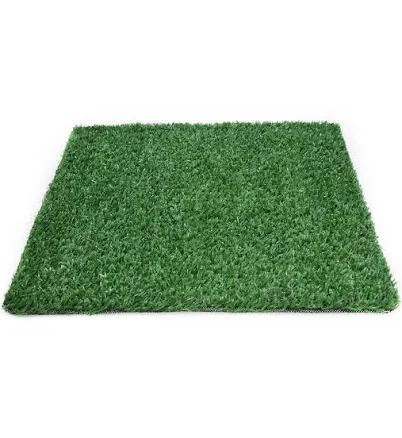
- Polypropylene (PP) astroturf
- We found no PFAS statement from the brand
- VOC off-gassing from polyurethane or latex adhesive
5 hazards checked on this product, all on its full breakdown.
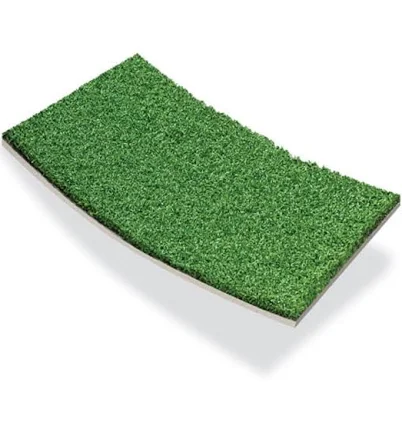
34 Oz Padded Gym Artificial Turf
- polyethylene turf fibers, polypropylene backing
- We found no PFAS statement from the brand
- VOC off-gassing from polyethylene and polypropylene
4 hazards checked on this product, all on its full breakdown.
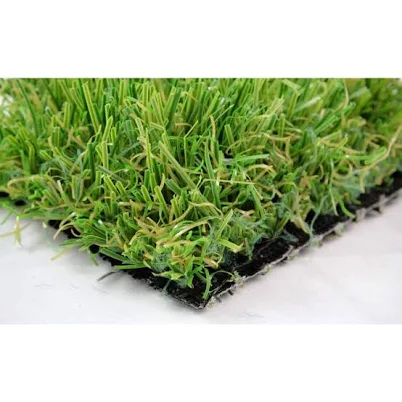
- polyethylene/polypropylene synthetic grass fibers with backing
- We found no PFAS statement from the brand
- Flame retardants
4 hazards checked on this product, all on its full breakdown.
Find an alternative on AmazonMore artificial turf grades
How we score, every product runs through the same public 0-100 rubric based on materials, coatings, brand disclosure, lab findings, and recalls. See the full methodology → Spotted a mistake? Report an error.