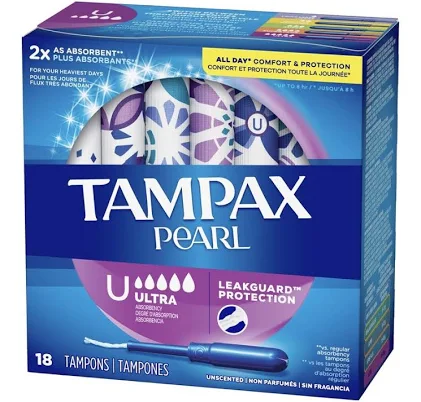
TAMPAX PEARL ULTRA ABSORBENCY*18 COUNT
Lower PFAS concern, though Tampax offers no transparency.
Cotton and rayon absorbent cores with plastic applicators don't require PFAS treatments. No public PFAS red flags exist for this product.
We flunk more products than we pass. This one earned its grade. How we grade
Material
cotton/rayon absorbent core, plastic applicator
Lab data
No public lab test
You may also be interested in
Top-graded picks in the categories readers replace first, every one scored on the same rubric.

- polypropylene filter housing, carbon/sediment cartridge
- We found no PFAS statement from the brand
- Bacterial growth in spent cartridges
3 hazards checked on this product, all on its full breakdown.

Aquasure
Premier Series 75 GPD Under Sink Reverse Osmosis Water Filtration System
- RO membrane, carbon filters, stainless steel housing
- We found no PFAS statement from the brand
- Bacterial and microbial growth in housing and filters
4 hazards checked on this product, all on its full breakdown.

Avocado
Vegan Mattress
- organic cotton, natural latex, coconut coir, recycled steel coils
- The brand calls it PFAS-free, which we have not verified
- Heavy metals
2 hazards checked on this product, all on its full breakdown.
What TAMPAX PEARL ULTRA ABSORBENCY*18 COUNT is made of, ingredients and materials
Tampax Pearl Ultra uses a cotton and rayon absorbent core (rayon is wood-pulp derived, highly absorbent) wrapped in a plastic applicator. The core materials themselves are low-chemical-load compared to synthetic foams; rayon and cotton do not inherently leach hazardous compounds during normal vaginal use. The plastic applicator is typically polypropylene or polyethylene, materials stable at body temperature and not known to migrate harmful compounds in short-term contact. No dyes, fragrances, or chemical treatments have been disclosed as present in the absorbent core of this product line.
What’s concerning
Category baseline
The starting point for this type of product, before anything specific to this product is counted.
No PFAS disclosure
No public statement from the brand about PFAS in this product.
Pesticide residue
Conventional cotton and rayon may carry traces of pesticides used in agriculture or pulping; Tampax does not publish residue testing. Risk is minimal under normal use but unknown without third-party verification.
Source, EPA ↗Bleaching byproducts (dioxins, AOX)
Tampax does not disclose bleaching method (chlorine vs. oxygen-based). Legacy concern with chlorine bleach; modern manufacturers typically use lower-concern methods, but no public confirmation for this brand.
Bacterial contamination or TSS risk
Ultra absorbency can encourage prolonged wear (beyond the typical 8-hour limit), increasing vaginal microbiome disruption and theoretical TSS risk. Risk is user-behavior driven, not product defect.
What’s reassuring
Base material not linked to PFAS
The main material recorded for this product is not one associated with PFAS.
Plastic applicator leaching (polypropylene/polyethylene)
Applicator polymers are stable at vaginal temperature (37°C) and short contact duration (hours) does not trigger leaching of plasticizers or monomers. No public reports of harm linked to conventional tampon applicators.
Fragrance or additive sensitization
Tampax Pearl Ultra does not list added fragrance or deodorants on packaging. Core materials are unscented, reducing allergic contact dermatitis risk versus scented competitors.
How is this PFAS grade calculated?
The brand's record and disclosure
Tampax (Edgewell/Energizer) has not published ingredient transparency or third-party certifications (e.g., Cradle to Cradle, EU Ecolabel) for this product. The brand does not publicly disclose pesticide residue testing, chemical bleaching agents, or applicator material sourcing. No major safety recalls or adverse-event patterns specific to Tampax Pearl have been documented in FDA or CPSC public databases. However, the absence of transparency means independent verification of chemical purity is unavailable to consumers.
How it compares in its category
Tampax Pearl sits in the mainstream commercial menstrual-product tier alongside Kotex and Playtex. It lacks the transparency of certified-organic brands (e.g., Cora, Seventh Generation) that publish pesticide testing and bleaching methods. Its plastic applicator places it in a higher-waste footprint category than applicator-free tampons (e.g., o.b., Lola) but offers ease of insertion preferred by many users. Chemical-safety profile is broadly comparable to other major conventional tampons, with no exceptional hazard signature.
If you buy it
Store in a cool, dry place away from direct sunlight to avoid plastic degradation or moisture ingress. Change every 4-8 hours to minimize bacterial overgrowth risk and TSS (toxic shock syndrome), regardless of absorbency claim; Ultra does not warrant extended wear. Do not flush the plastic applicator; dispose in regular waste. If you experience irritation, rash, or unusual odor, discontinue and consult a healthcare provider, as individual sensitivity to materials can occur even in low-chemical products.
What is not known about PFAS in this product?
- Basis
- Model estimate, 72% confidence, not a lab result
- Lab test
- None on record for this exact product
- Brand statement
- Tampax has made a specific claim
Formulations change between production runs, so check the current label. How we grade.
What are the PFAS-free alternatives to TAMPAX PEARL ULTRA ABSORBENCY*18 COUNT?
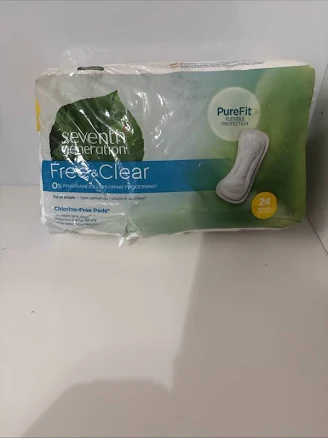
- organic cotton, wood pulp
- The brand calls it PFAS-free, which we have not verified
- Fragrance allergen content
More period pads grades
How we score, every product runs through the same public 0-100 rubric based on materials, coatings, brand disclosure, lab findings, and recalls. See the full methodology → Spotted a mistake? Report an error.