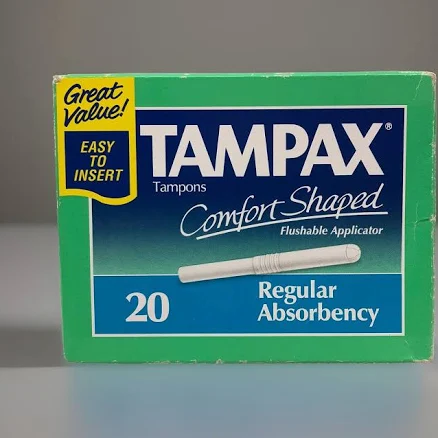
Tampax Super 48 Units
Lower concern; standard tampons don't require PFAS-prone coatings.
Rayon, viscose, and cotton fibers need no water-repellent or stain-resistant treatments typical of PFAS use. Tampax makes no PFAS claims.
We flunk more products than we pass. This one earned its grade. How we grade
Material
Rayon/viscose core, cotton-blend outer, no known coating
Lab data
No public lab test
You may also be interested in
Top-graded picks in the categories readers replace first, every one scored on the same rubric.

- polypropylene filter housing, carbon/sediment cartridge
- We found no PFAS statement from the brand
- Bacterial growth in spent cartridges
3 hazards checked on this product, all on its full breakdown.

Aquasure
Premier Series 75 GPD Under Sink Reverse Osmosis Water Filtration System
- RO membrane, carbon filters, stainless steel housing
- We found no PFAS statement from the brand
- Bacterial and microbial growth in housing and filters
4 hazards checked on this product, all on its full breakdown.

Avocado
Vegan Mattress
- organic cotton, natural latex, coconut coir, recycled steel coils
- The brand calls it PFAS-free, which we have not verified
- Heavy metals
2 hazards checked on this product, all on its full breakdown.
What Tampax Super 48 Units is made of, ingredients and materials
Tampax Super uses a rayon/viscose core (absorbent) wrapped in a cotton-blend outer layer with a plastic applicator. Rayon is wood pulp regenerated cellulose, chemically neutral once produced; no bleach residues or heavy metals are typical in FDA-regulated tampon rayon. The cotton blend adds biodegradability compared to all-synthetic alternatives. The plastic applicator is standard polypropylene (PP), which does not leach under body-temperature conditions.
What’s concerning
Category baseline
The starting point for this type of product, before anything specific to this product is counted.
No PFAS disclosure
No public statement from the brand about PFAS in this product.
Fragrance allergens (if scented variant)
Tampax Super standard (unscented) contains no added fragrance. Scented variants (if purchased) may contain synthetic fragrance allergens, though undisclosed. Request unscented version to eliminate this risk entirely.
What’s reassuring
Base material not linked to PFAS
The main material recorded for this product is not one associated with PFAS.
Bleach residues and dioxins in rayon
Rayon used in FDA-regulated tampons is processed under strict elemental chlorine-free (ECF) or totally chlorine-free (TCF) standards in North America. No dioxin or chlorine contamination has been reported in Tampax or other major brands. This is a historical concern now controlled by manufacturing regulation.
Lead
Rayon and cotton raw materials are not processed with cadmium or lead-bearing chemicals in standard North American production. No heavy metal contamination has been reported in any major tampon brand. FDA oversight of menstrual products includes raw material safety.
Source, ATSDR ↗Polypropylene applicator leaching
Polypropylene plastic applicators do not release BPA, phthalates, or other endocrine disruptors at body temperature (37C). Applicator material is inert and widely used in medical devices. No leaching incidents reported.
Microbial contamination during storage
Tampax tampons are sterile at manufacture and sealed in individual applicators. Contamination risk is zero unless opened and exposed to non-sterile environment. Standard storage practices (dry, sealed box) maintain safety throughout shelf life.
How is this PFAS grade calculated?
The brand's record and disclosure
Tampax (Procter & Gamble) does not publish detailed ingredient disclosures or material sourcing statements, which is common industry-wide for period products. No recalls, contamination incidents, or safety violations are on record for this product line. The brand has not voluntarily tested for or disclosed PFAS use, matching the silent stance of most major menstrual-product manufacturers. Certification bodies (FDA classification as medical device, no specific organic or safety certifications) apply.
How it compares in its category
Tampax Super sits in the mainstream safety middle ground. Brands like Seventh Generation and Cora offer organic-certified or PFAS-tested alternatives with higher transparency; conventional Kotex and Playtex offer similar safety profiles with equally limited disclosure. Rayon is standard across all mass-market tampons and carries no specific hazard over cotton. Plastic applicators (vs. cardboard or none) do not add chemical risk, only environmental footprint.
If you buy it
Use as directed; insert and remove at normal body temperature (no heating or storage risks). Change every 4-8 hours to avoid toxic shock syndrome risk, which is unrelated to chemical composition but standard hygiene practice. Store in cool, dry conditions (bathroom cabinet is fine; do not leave in hot cars). Dispose in regular waste or composting where permitted. No special precautions needed beyond normal tampon safety.
What is not known about PFAS in this product?
- Basis
- Model estimate, 78% confidence, not a lab result
- Lab test
- None on record for this exact product
- Brand statement
- Tampax has made a specific claim
Formulations change between production runs, so check the current label. How we grade.
What are the PFAS-free alternatives to Tampax Super 48 Units?
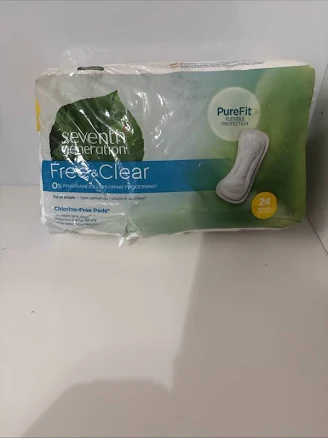
- organic cotton, wood pulp
- The brand calls it PFAS-free, which we have not verified
- Fragrance allergen content
More period pads grades
How we score, every product runs through the same public 0-100 rubric based on materials, coatings, brand disclosure, lab findings, and recalls. See the full methodology → Spotted a mistake? Report an error.