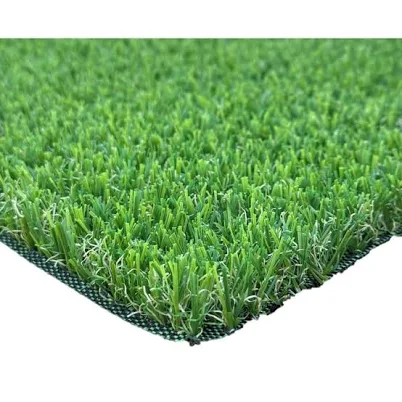
The Home Depot GREENLINE Artificial Grass Turf
Wait unless brand discloses coating composition or provides PFAS test results.
Artificial turf products typically use durable water-resistant coatings, often PFAS-based. Home Depot and the brand provide no public disclosure or certifications.
The better-graded swap
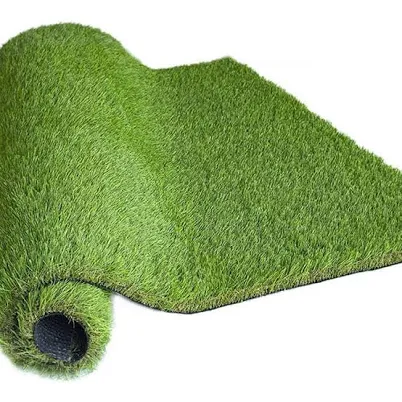
LITA
LITA ECO Ultra Thick Cut to Length
75/100 safety
Same rubric that flunked this product. The swap earned Excellent.
Still want this one anyway? Check the price on Amazon. We’d swap it.
Material
Polyethylene/polypropylene fibers with unknown water-resistant coating
Brand disclosure
Brand is silent on PFAS
Lab data
No public lab test
You may also be interested in
Top-graded picks in the categories readers replace first, every one scored on the same rubric.

- polypropylene filter housing, carbon/sediment cartridge
- We found no PFAS statement from the brand
- Bacterial growth in spent cartridges
3 hazards checked on this product, all on its full breakdown.

Aquasure
Premier Series 75 GPD Under Sink Reverse Osmosis Water Filtration System
- RO membrane, carbon filters, stainless steel housing
- We found no PFAS statement from the brand
- Bacterial and microbial growth in housing and filters
4 hazards checked on this product, all on its full breakdown.

Avocado
Vegan Mattress
- organic cotton, natural latex, coconut coir, recycled steel coils
- The brand calls it PFAS-free, which we have not verified
- Heavy metals
2 hazards checked on this product, all on its full breakdown.
What The Home Depot GREENLINE Grass Turf is made of, ingredients and materials
Greenline artificial turf uses polyethylene and polypropylene fibers, common thermoplastic polymers chosen for UV resistance and durability outdoors. The critical unknown is the water-resistant coating applied to the backing or fibers; manufacturers typically use proprietary formulations that may contain PFAS or other persistent chemicals to repel moisture and extend lifespan. Polyethylene and polypropylene themselves are stable plastics, but degradation under prolonged UV exposure and heat can fragment into microplastics over time.
What’s concerning
Category baseline
The starting point for this type of product, before anything specific to this product is counted.
No PFAS disclosure
No public statement from the brand about PFAS in this product.
Waterproof / stain-resistant treatment
Water-repellent coating treatments have historically used PFAS.
Microplastics
Polyethylene and polypropylene degrade under UV and temperature extremes, fragmenting into respirable and ingested particles. Outdoor turf exposed to full sun will shed microfibers, particularly after 3-5 years; no quantified safety threshold exists for chronic low-level exposure.
Source, EPA ↗Leachates from water-resistant coating
The undisclosed backing or fiber coating may contain heavy metals (antimony, cadmium), plasticizers, or other processing aids. Water percolation through the turf during rain or irrigation could mobilize these compounds into soil and groundwater; risk is unquantified without composition data.
Volatile organic compounds (VOCs) off-gassing
New artificial turf can release residual manufacturing solvents or plasticizer vapors, particularly in warm or enclosed spaces. Greenline does not publish off-gassing test data; typical PE/PP turf shows minimal VOC concern outdoors but may off-gas in indoor installations or immediately after delivery.
What’s reassuring
Heavy metals
If Greenline uses crumb rubber or sand infill (product details unclear), older formulations may contain zinc, lead, or cadmium. Current Home Depot product specifications do not clarify infill type or source; request product literature or note that standard modern infill composition remains unverified for PFAS concern.
Source, FDA ↗Flame retardants
Artificial turf typically does not require flame retardant treatment by code, but some products incorporate brominated or phosphate-based additives. No evidence Greenline contains such additives, but absence of published specifications prevents confirmation.
Source, EPA ↗How is this PFAS grade calculated?
The brand's record and disclosure
The brand, the parent company, has not publicly disclosed the chemical composition of the water-resistant coating on Greenline turf or provided third-party test results for PFAS or other legacy chemical treatments. The brand maintains no published commitment to PFAS-free manufacturing for artificial turf products as of available records. This silence on a known industry concern is a transparency gap; competitor brands such as FieldTurf and Shaw have begun offering PFAS-conscious options or public test documentation.
How it compares in its category
Artificial turf in the Home Depot price tier typically uses unspecified water-resistant treatments; Greenline is not uniquely hazardous but also not a category leader in transparency. Premium brands marketed as PFAS-free or heavy-metal-tested command higher prices. Budget alternatives may use similar or lower-quality coatings with equal or greater unknown risk. Without independent testing or brand disclosure, Greenline sits in the middle-risk zone of the market.
If you buy it
Install in well-ventilated outdoor areas away from edible gardens or play zones where small children mouth objects. Do not allow prolonged water runoff from the turf to pond or drain into wells; use perimeter containment if possible. Avoid pressure washing with heated water, which accelerates polymer degradation and microplastic release. Plan for replacement within 5-7 years; outdoor UV degradation is not a safety hazard per se, but structural failure increases injury risk and may expose degraded particles.
What is not known about PFAS in this product?
- Basis
- Model estimate, 42% confidence, not a lab result
- Lab test
- None on record for this exact product
- Brand statement
- has made none
Formulations change between production runs, so check the current label. How we grade.
What are the PFAS-free alternatives to The Home Depot GREENLINE Artificial Grass Turf?
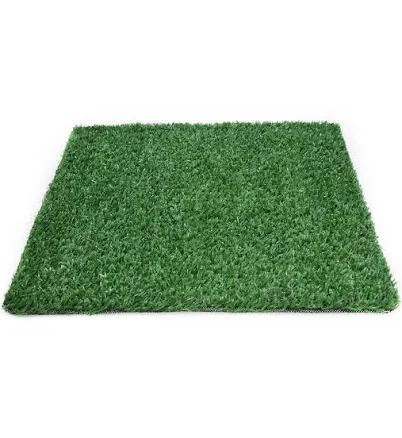
- Polypropylene (PP) astroturf
- We found no PFAS statement from the brand
- VOC off-gassing from polyurethane or latex adhesive
5 hazards checked on this product, all on its full breakdown.
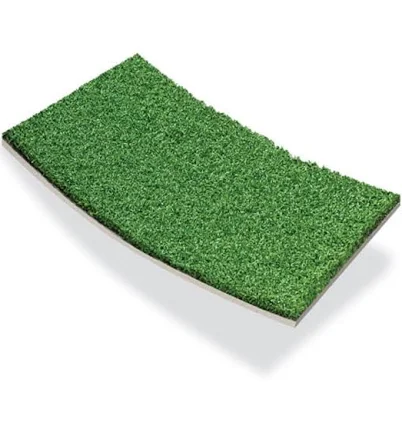
34 Oz Padded Gym Artificial Turf
- polyethylene turf fibers, polypropylene backing
- We found no PFAS statement from the brand
- VOC off-gassing from polyethylene and polypropylene
4 hazards checked on this product, all on its full breakdown.
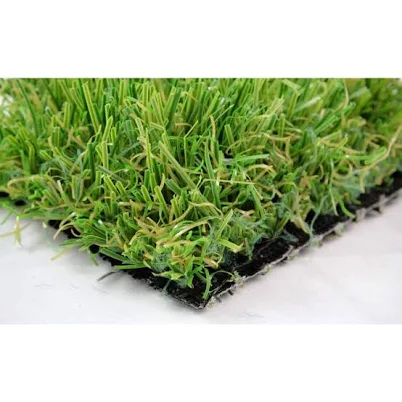
- polyethylene/polypropylene synthetic grass fibers with backing
- We found no PFAS statement from the brand
- Flame retardants
4 hazards checked on this product, all on its full breakdown.
Find an alternative on AmazonMore artificial turf grades
How we score, every product runs through the same public 0-100 rubric based on materials, coatings, brand disclosure, lab findings, and recalls. See the full methodology → Spotted a mistake? Report an error.