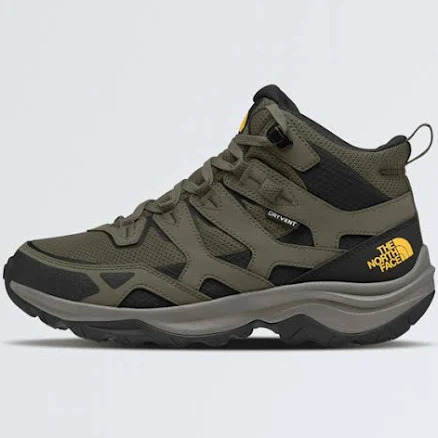
The North Face · Waterproof Boots
The North Face Men's Hedgehog 3 Mid Waterproof Hiking Boots
Avoid until The North Face discloses waterproofing chemistry.
These hiking boots use waterproof treatment, a category strongly tied to PFAS-based water-repellent coating finishes. The North Face doesn't disclose what chemical system waterproofs this boot. Without transparency or testing, meaningful PFAS risk exists.
Still want this one anyway? Check the price on Amazon. We’d swap it.
Material
Leather/synthetic upper with water-repellent coating waterproof coating
Lab data
No public lab test
You may also be interested in
Top-graded picks in the categories readers replace first, every one scored on the same rubric.

- polypropylene filter housing, carbon/sediment cartridge
- We found no PFAS statement from the brand
- Bacterial growth in spent cartridges
3 hazards checked on this product, all on its full breakdown.

Aquasure
Premier Series 75 GPD Under Sink Reverse Osmosis Water Filtration System
- RO membrane, carbon filters, stainless steel housing
- We found no PFAS statement from the brand
- Bacterial and microbial growth in housing and filters
4 hazards checked on this product, all on its full breakdown.

Avocado
Vegan Mattress
- organic cotton, natural latex, coconut coir, recycled steel coils
- The brand calls it PFAS-free, which we have not verified
- Heavy metals
2 hazards checked on this product, all on its full breakdown.
What The North Face Men's Hedgehog Hiking Boots is made of, ingredients and materials
The Hedgehog 3 combines leather and synthetic uppers with a water-repellent coating (water-repellent coating) waterproof coating system. The leather provides breathability and durability, while the synthetic backing adds structure and cost efficiency. water-repellent coating coatings on outdoor footwear are the primary source of waterproofing but their chemical composition (particularly PFAS content) is rarely disclosed by brands. Over time, the coating degrades with wear and cleaning, which is normal and not inherently hazardous.
What’s concerning
Category baseline
The starting point for this type of product, before anything specific to this product is counted.
No PFAS disclosure
No public statement from the brand about PFAS in this product.
Waterproof / stain-resistant treatment
Water-repellent coating treatments have historically used PFAS.
PFAS
Most water-repellent coating coatings on conventional waterproof boots contain PFAS or PFAS-alternatives; North Face does not disclose chemistry for this model. The risk is low during normal wear but elevated if the coating degrades or is improperly disposed of.
Source, ATSDR ↗What’s reassuring
Synthetic upper degradation and microplastic shedding
No field reports or recalls exist for microplastic shedding from The North Face synthetic uppers. However, any synthetic material degrades over time and could theoretically shed fibers; this is standard for the category and not specific to this boot.
Adhesive or glue off-gassing (volatile organic compounds)
Leather and synthetic boots use adhesives to bond uppers to soles and linings. The North Face does not disclose adhesive chemistry, but off-gassing is typically mild and dissipates within the first few days of new footwear use.
Heavy metals
Chrome tanning (standard in hiking boots) does not typically leach metals during normal wear on skin. The North Face does not specify tanning methods for this model, and no contamination reports exist for the brand.
Source, FDA ↗Formaldehyde / VOCs
Synthetic textiles sometimes contain formaldehyde resins; The North Face does not disclose lining chemistry. The risk is low for footwear (external contact only) and no specific reports exist for this model.
Source, ATSDR ↗How is this PFAS grade calculated?
The brand's record and disclosure
The North Face has not publicly committed to avoiding PFAS in water-repellent coating technology or released waterproofing chemistry details for this model. The brand has faced industry pressure on PFAS disclosure but remains silent on specific product formulations. No major safety recalls or chemical contamination incidents are on record for this boot line. The brand does offer standard care instructions but does not warn consumers about water-repellent coating composition or disposal guidance.
How it compares in its category
Most mainstream waterproof hiking boots in this price range use similar water-repellent coating-coated leather/synthetic constructions with undisclosed chemistries. Premium alternatives (like some LOWA or Scarpa models) occasionally list PFAS-free certifications, though verification is inconsistent. Budget brands often use thicker synthetic uppers to reduce coating reliance. This model sits in the middle, widely trusted for durability and fit but offering no transparency advantage over competitors on waterproofing chemistry.
If you buy it
Keep dry storage away from heat sources and direct sunlight, which accelerate coating breakdown. Reapply water-repellent coating every 6-12 months or when water beads less effectively (standard for all hiking boots). Clean with mild soap and water, not harsh detergents that strip the coating faster. Replace when the midsole compresses noticeably or the upper develops cracks, typically 18-36 months depending on use intensity. Avoid prolonged exposure to temperatures above 140F (60C).
What is not known about PFAS in this product?
- Basis
- Model estimate, 35% confidence, not a lab result
- Lab test
- None on record for this exact product
- Brand statement
- The North Face has made a specific claim
Formulations change between production runs, so check the current label. How we grade.
What are the PFAS-free alternatives to The North Face Men's Hedgehog 3 Mid Waterproof Hiking Boots?
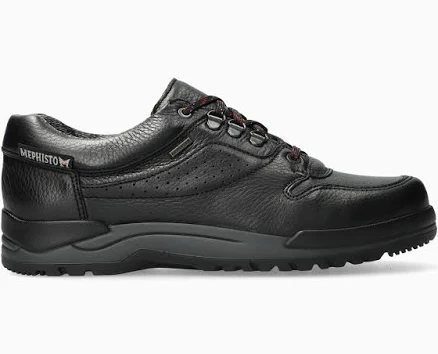
- leather, textile, rubber sole
- We found no PFAS statement from the brand
- Volatile organic compounds (VOC) off-gassing from adhesives
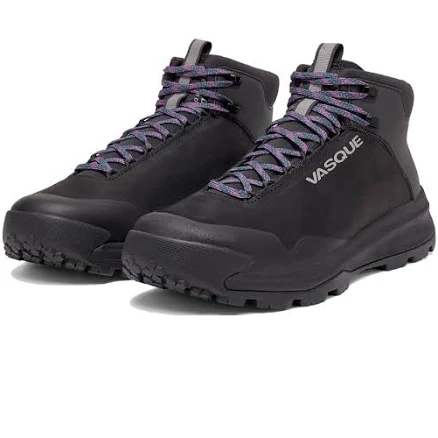
- Leather/nubuck upper, synthetic/rubber sole, no coating disclosed
- We found no PFAS statement from the brand
- Azo dyes (leather/textile coloring)
4 hazards checked on this product, all on its full breakdown.
Find an alternative on AmazonMore waterproof boots grades
How we score, every product runs through the same public 0-100 rubric based on materials, coatings, brand disclosure, lab findings, and recalls. See the full methodology → Spotted a mistake? Report an error.