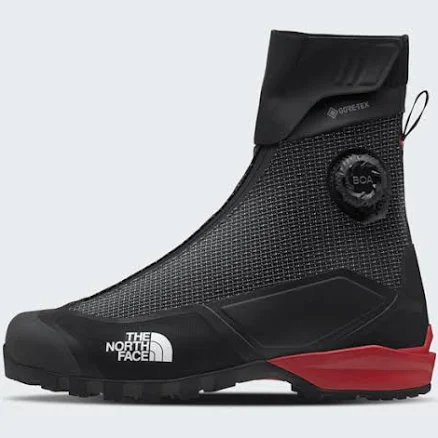
The North Face · Waterproof Boots
The North Face Summit Series Verto SA Gore-Tex Hiking Boots
Higher PFAS risk from Gore-Tex coating. The North Face silent on policy.
These boots use Gore-Tex, a Teflon-family coating membrane recognized as PFAS-containing. The fabric backing typically requires PFAS-based water-repellent coating finishes. The North Face doesn't disclose PFAS reduction efforts or material sourcing, leaving composition uncertain.
Still want this one anyway? Check the price on Amazon. We’d swap it.
Material
Gore-Tex membrane with textile upper and synthetic/rubber sole
Lab data
No public lab test
You may also be interested in
Top-graded picks in the categories readers replace first, every one scored on the same rubric.

- polypropylene filter housing, carbon/sediment cartridge
- We found no PFAS statement from the brand
- Bacterial growth in spent cartridges
3 hazards checked on this product, all on its full breakdown.

Aquasure
Premier Series 75 GPD Under Sink Reverse Osmosis Water Filtration System
- RO membrane, carbon filters, stainless steel housing
- We found no PFAS statement from the brand
- Bacterial and microbial growth in housing and filters
4 hazards checked on this product, all on its full breakdown.

Avocado
Vegan Mattress
- organic cotton, natural latex, coconut coir, recycled steel coils
- The brand calls it PFAS-free, which we have not verified
- Heavy metals
2 hazards checked on this product, all on its full breakdown.
What The North Face Summit Series Hiking Boots is made of, ingredients and materials
These boots use a Gore-Tex membrane bonded to a textile upper (typically nylon or polyester blend) with a synthetic/rubber outsole. Gore-Tex's waterproofing relies on a water-repellent coating (water-repellent coating) coating applied to the outer shell, which traditionally contains fluorochemicals (PFAS) to achieve water shedding. The textile upper may also contain polyester, which can harbor antimony (a flame retardant catalyst) in trace amounts. The rubber sole is generally stable in normal use but can degrade if exposed to prolonged heat or harsh solvents.
What’s concerning
Category baseline
The starting point for this type of product, before anything specific to this product is counted.
No PFAS disclosure
No public statement from the brand about PFAS in this product.
Waterproof / stain-resistant treatment
Water-repellent coating treatments have historically used PFAS.
PFAS
Gore-Tex's water-repellent coating treatment relies on fluorochemicals; exact formulation is proprietary, but PFOA and related PFAS are standard in this application. These compounds persist in the environment and bioaccumulate; potential for leaching into soil and groundwater during product use and disposal.
Source, ATSDR ↗Antimony in polyester textile upper
If the upper is polyester, antimony may be present as a catalyst residue in trace amounts. Skin contact with intact fabric poses minimal risk, but degradation or heavy abrasion could increase exposure.
Microorganism growth in moisture-prone seams
Waterproof boots trap moisture inside if not allowed to dry thoroughly. Seams, insoles, and footbed areas can harbor mold, mildew, or bacteria if stored damp; this is a maintenance issue rather than a manufacturing defect but is common to this category.
What’s reassuring
Rubber sole degradation from heat or solvents
No specific recalls or documented issues exist for this model's sole. Standard use in normal hiking conditions poses minimal risk; however, storage in hot vehicles or exposure to petroleum products (gasoline, solvents) can accelerate deterioration.
Formaldehyde / VOCs
Outdoor technical textiles may contain formaldehyde-based finishes for water resistance or mold prevention, but The North Face does not disclose this. Industry data suggest major brands have reduced but not eliminated formaldehyde use; no public safety testing specific to this model is available.
Source, ATSDR ↗How is this PFAS grade calculated?
The brand's record and disclosure
The North Face has not publicly disclosed a timeline or commitment to phasing out PFAS-based water-repellent coating treatments in its waterproof products. The brand holds certifications including Bluesign and some Fair Trade claims, but these do not address PFAS. No major recalls or contamination incidents have been publicly documented for this specific model. The brand's silence on PFAS in technical gear is typical of the outdoor industry, where Gore-Tex adoption remains widespread without transparent alternatives.
How it compares in its category
Waterproof hiking boots widely use Gore-Tex or similar membranes with PFAS-based water-repellent coating; this model is standard in that regard. Genuinely PFAS-free waterproof boots exist (e.g., some using wax-based or silicone water-repellent coating) but are less common and often sacrifice durability or water-shedding performance. The North Face Summit Series is positioned as premium, so construction quality and sole durability are generally above budget alternatives, offsetting some hazard concerns with longevity.
If you buy it
Wear them as intended for outdoor hiking; avoid prolonged exposure to heat sources (not for use near fires or in saunas). Clean with lukewarm water and mild soap after muddy or salty conditions to prevent water-repellent coating degradation and microorganism buildup in crevices. Inspect the sole and upper seams annually for separation or wear; replacement becomes necessary when the tread wears below 2 mm or seams separate. Do not machine wash or dry; air dry at room temperature to preserve both the Gore-Tex membrane and the water-repellent coating.
What is not known about PFAS in this product?
- Basis
- Model estimate, 45% confidence, not a lab result
- Lab test
- None on record for this exact product
- Brand statement
- The North Face has made a specific claim
Formulations change between production runs, so check the current label. How we grade.
What are the PFAS-free alternatives to The North Face Summit Series Verto SA Gore-Tex Hiking Boots?
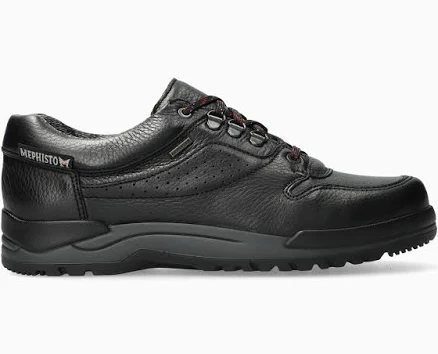
- leather, textile, rubber sole
- We found no PFAS statement from the brand
- Volatile organic compounds (VOC) off-gassing from adhesives
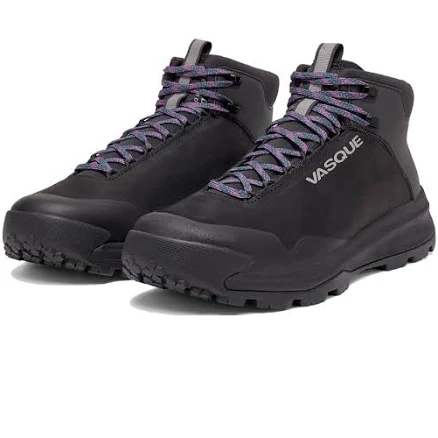
- Leather/nubuck upper, synthetic/rubber sole, no coating disclosed
- We found no PFAS statement from the brand
- Azo dyes (leather/textile coloring)
4 hazards checked on this product, all on its full breakdown.
Find an alternative on AmazonMore waterproof boots grades
How we score, every product runs through the same public 0-100 rubric based on materials, coatings, brand disclosure, lab findings, and recalls. See the full methodology → Spotted a mistake? Report an error.