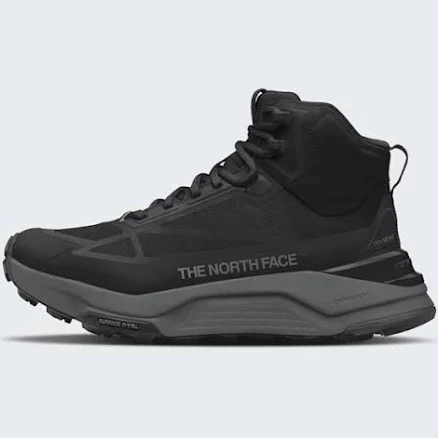
The North Face · Waterproof Boots
The North Face Women's Fastpack Mid Waterproof Hiking Boots
Waterproof treatment raises concern without brand disclosure of PFAS chemistry.
These boots use a synthetic upper with water-repellent coating waterproof treatment. water-repellent coating finishes have historically used PFAS, but The North Face has no PFAS statement on record for this product. The specific chemistry of the waterproofing is not disclosed.
Still want this one anyway? Check the price on Amazon. We’d swap it.
Material
Synthetic upper (likely nylon/polyester blend) with water-repellent coating waterproof treatment, rubber/synthetic sole
Lab data
No public lab test
You may also be interested in
Top-graded picks in the categories readers replace first, every one scored on the same rubric.

- polypropylene filter housing, carbon/sediment cartridge
- We found no PFAS statement from the brand
- Bacterial growth in spent cartridges
3 hazards checked on this product, all on its full breakdown.

Aquasure
Premier Series 75 GPD Under Sink Reverse Osmosis Water Filtration System
- RO membrane, carbon filters, stainless steel housing
- We found no PFAS statement from the brand
- Bacterial and microbial growth in housing and filters
4 hazards checked on this product, all on its full breakdown.

Avocado
Vegan Mattress
- organic cotton, natural latex, coconut coir, recycled steel coils
- The brand calls it PFAS-free, which we have not verified
- Heavy metals
2 hazards checked on this product, all on its full breakdown.
What The North Face Women's Hiking Boots is made of, ingredients and materials
The Fastpack Mid uses a synthetic upper (nylon or polyester blend) treated with a water-repellent coating (water-repellent coating) finish to shed moisture. The sole is rubber or synthetic polymer. water-repellent coating treatments are the primary PFAS exposure vector in waterproof footwear; The North Face has not publicly committed to alternatives like wax-based or fluorine-free hydrophobic coatings. The synthetic materials themselves (nylon/polyester) are chemically stable once cured and do not pose established leaching risks during normal wear.
What’s concerning
Category baseline
The starting point for this type of product, before anything specific to this product is counted.
No PFAS disclosure
No public statement from the brand about PFAS in this product.
Waterproof / stain-resistant treatment
Water-repellent coating treatments have historically used PFAS.
PFAS
Fluorinated water repellent treatments commonly contain PFOA, PFOS, or related compounds. The North Face does not disclose water-repellent coating chemistry; assumption of conventional fluorinated water-repellent coating is precautionary but reasonable for waterproof boots at this price point.
Source, ATSDR ↗Adhesive off-gassing (if present in midsole/sole bonding)
Boot soles are typically heat-bonded or glued to uppers using urethane or epoxy adhesives. Off-gassing is negligible during wear but may occur briefly after purchase in sealed packaging. Ventilation during first use minimizes any exposure.
What’s reassuring
Azo dyes in synthetic textiles
Nylon and polyester uppers may contain azo dyes, which can release aromatic amines under sweat or friction. No recalls or test failures for The North Face boots on this hazard are on record; industry compliance with REACH restrictions is standard.
Formaldehyde / VOCs
Synthetic textiles often use formaldehyde-based resins for wrinkle resistance or stiffness. Levels in footwear are typically low and off-gas minimally during normal wear. No published safety alerts for The North Face boots exist.
Source, ATSDR ↗Rubber/synthetic sole degradation and leachates
Synthetic rubber soles are chemically stable under normal outdoor use. Leaching of processing chemicals (accelerators, plasticizers) is minimal in cured rubber. No hazard documentation for this product line is available.
How is this PFAS grade calculated?
The brand's record and disclosure
The North Face (owned by VF Corporation) has not issued specific transparency on PFAS use in footwear lines. VF Corporation signed the ZDHC Gateway commitment (restricting some chemicals), but has not adopted blanket PFAS phase-out commitments for waterproof apparel. No major recalls or safety violations tied to The North Face boots are on public record. The brand's disclosure on water-repellent coating chemistry remains minimal compared to competitors like Salomon or Merrell.
How it compares in its category
Most waterproof hiking boots in this price and performance tier rely on conventional fluorinated water-repellent coating treatments; The North Face is not an outlier. Premium alternatives (e.g., Salewa, Scarpa) occasionally advertise PFOA-free or fluorine-free options, but these are uncommon in mid-range lines. Non-waterproof or wax-treated alternatives exist but sacrifice wet-weather performance. The Fastpack Mid is typical for its category in terms of chemical transparency risk.
If you buy it
Wear boots outdoors; do not ingest or burn them. Clean with water and mild soap; avoid high-heat drying (air dry only to prevent adhesive breakdown and coating damage). Replace insoles if they show compression or odor after 1-2 seasons; synthetic linings are durable but not permanent. Inspect seams and sole edges annually for separation; this signals end-of-life. Do not apply additional fluorinated water treatments; reapply water-repellent coating sparingly per manufacturer instructions if needed.
What is not known about PFAS in this product?
- Basis
- Model estimate, 45% confidence, not a lab result
- Lab test
- None on record for this exact product
- Brand statement
- The North Face has made a specific claim
Formulations change between production runs, so check the current label. How we grade.
What are the PFAS-free alternatives to The North Face Women's Fastpack Mid Waterproof Hiking Boots?
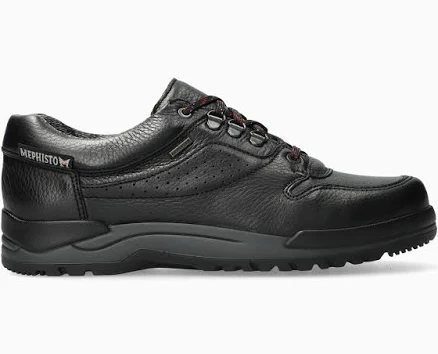
- leather, textile, rubber sole
- We found no PFAS statement from the brand
- Volatile organic compounds (VOC) off-gassing from adhesives
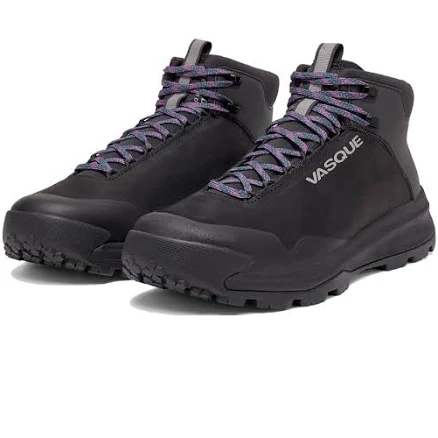
- Leather/nubuck upper, synthetic/rubber sole, no coating disclosed
- We found no PFAS statement from the brand
- Azo dyes (leather/textile coloring)
4 hazards checked on this product, all on its full breakdown.
Find an alternative on AmazonMore waterproof boots grades
How we score, every product runs through the same public 0-100 rubric based on materials, coatings, brand disclosure, lab findings, and recalls. See the full methodology → Spotted a mistake? Report an error.