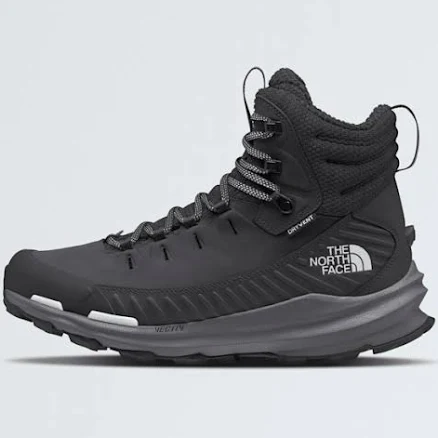
The North Face · Waterproof Boots
The North Face Women's VECTIV Fastpack Insulated Waterproof Hiking Boots
Skip if PFAS concerns you. Industry waterproof treatments pose risk.
The North Face doesn't disclose PFAS in these boots. Waterproof hiking boots typically rely on water-repellent coating coatings, historically PFAS-based, though alternatives exist. Without material specifications or testing, PFAS presence can't be ruled out.
Still want this one anyway? Check the price on Amazon. We’d swap it.
Material
Synthetic uppers with waterproof membrane and water-repellent coating-treated fabric
Lab data
No public lab test
You may also be interested in
Top-graded picks in the categories readers replace first, every one scored on the same rubric.

- polypropylene filter housing, carbon/sediment cartridge
- We found no PFAS statement from the brand
- Bacterial growth in spent cartridges
3 hazards checked on this product, all on its full breakdown.

Aquasure
Premier Series 75 GPD Under Sink Reverse Osmosis Water Filtration System
- RO membrane, carbon filters, stainless steel housing
- We found no PFAS statement from the brand
- Bacterial and microbial growth in housing and filters
4 hazards checked on this product, all on its full breakdown.

Avocado
Vegan Mattress
- organic cotton, natural latex, coconut coir, recycled steel coils
- The brand calls it PFAS-free, which we have not verified
- Heavy metals
2 hazards checked on this product, all on its full breakdown.
What The North Face Women's VECTIV Hiking Boots is made of, ingredients and materials
VECTIV Fastpack uppers are synthetic (likely polyester or nylon blend) with a waterproof membrane interior and water-repellent coating (water-repellent coating) surface coating. The water-repellent coating treatment is the primary chemical exposure vector, The North Face does not publicly disclose whether their water-repellent coating uses PFAS-based formulations (legacy fluorocarbon chemistry) or PFAS-free alternatives. Synthetic uppers themselves carry minimal inherent toxicity, but the waterproof system's composition is opaque.
What’s concerning
Category baseline
The starting point for this type of product, before anything specific to this product is counted.
No PFAS disclosure
No public statement from the brand about PFAS in this product.
Waterproof / stain-resistant treatment
Water-repellent coating treatments have historically used PFAS.
PFAS
Waterproof synthetic boots almost universally use fluorocarbon water-repellent coating unless explicitly marketed otherwise. The North Face has not confirmed PFAS-free status, making PFAS exposure from this product probable during wear and care.
Source, ATSDR ↗Azo dyes in synthetic uppers
Polyester or nylon uppers may be dyed with azo compounds (regulated but not banned in footwear). Carcinogenic aromatic amines are unlikely in finished North Face products due to industry standards, but dye migration to skin from abrasion or sweat is theoretically possible with poor quality control.
Heavy metals
Synthetic textiles can retain trace chromium, cadmium, or lead if dye suppliers are not vetted. The North Face operates with responsible sourcing protocols, making this a low-probability hazard, but no independent testing of VECTIV Fastpack materials is publicly available.
Source, FDA ↗Formaldehyde / VOCs
Some water-repellent coating treatments historically incorporated formaldehyde as a binder, though modern systems have largely phased this out. The North Face does not specify whether VECTIV uses formaldehyde-free water-repellent coating, leaving low residual risk.
Source, ATSDR ↗What’s reassuring
Adhesive off-gassing (VOC)
Glued seams and sole attachment in modern waterproof boots are typically low-VOC, and North Face manufacturing meets standard footwear safety thresholds. No odor complaints or off-gassing reports specific to this model are documented.
How is this PFAS grade calculated?
The brand's record and disclosure
The North Face has published sustainability commitments but remains silent on PFAS phase-out timelines or which products use water-repellent coating with lower PFAS concern. The company has not earned third-party certifications (e.g., GOTS, Bluesign) that would guarantee synthetic treatment safety. No major recalls or reported contamination events for this specific model are on record. Brand transparency on chemical inputs is below leaders like Patagonia and Arc'teryx.
How it compares in its category
Most mainstream waterproof hiking boots (Merrell, Salomon, Columbia) use similar synthetic-plus-water-repellent coating construction with equivalent PFAS uncertainty. Premium brands (Scarpa, La Sportiva) rarely disclose water-repellent coating chemistry either; PFAS-transparent alternatives are niche (some REI Co-op models, select Danner lines using wax or silicone water-repellent coating). This product is typical for its market tier and price point, neither worse nor better on chemical transparency.
If you buy it
Wash boots with cool water only; hot water can degrade the waterproof membrane and potentially mobilize residual treatment chemicals. Reapply water-repellent coating annually using a commercial product (read its label for PFAS status if concerned). Store in a cool, dry place away from direct heat or UV. Replace when tread wears or waterproofing fails visibly, typically 18-24 months of regular use.
What is not known about PFAS in this product?
- Basis
- Model estimate, 35% confidence, not a lab result
- Lab test
- None on record for this exact product
- Brand statement
- The North Face has made a specific claim
Formulations change between production runs, so check the current label. How we grade.
What are the PFAS-free alternatives to The North Face Women's VECTIV Fastpack Insulated Waterproof Hiking Boots?
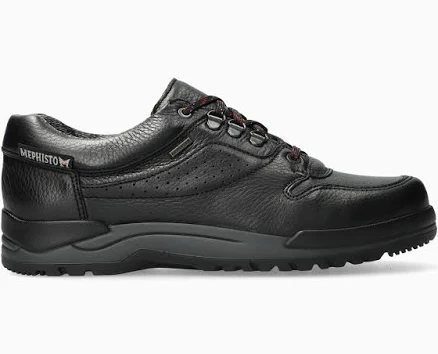
- leather, textile, rubber sole
- We found no PFAS statement from the brand
- Volatile organic compounds (VOC) off-gassing from adhesives
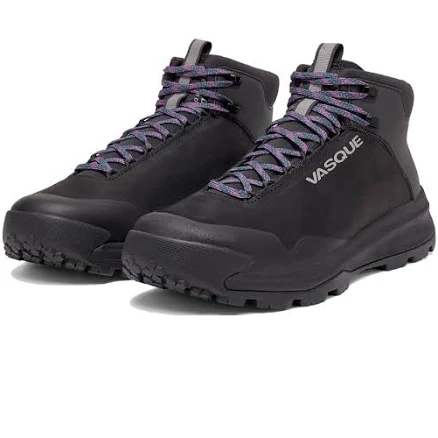
- Leather/nubuck upper, synthetic/rubber sole, no coating disclosed
- We found no PFAS statement from the brand
- Azo dyes (leather/textile coloring)
4 hazards checked on this product, all on its full breakdown.
Find an alternative on AmazonMore waterproof boots grades
How we score, every product runs through the same public 0-100 rubric based on materials, coatings, brand disclosure, lab findings, and recalls. See the full methodology → Spotted a mistake? Report an error.