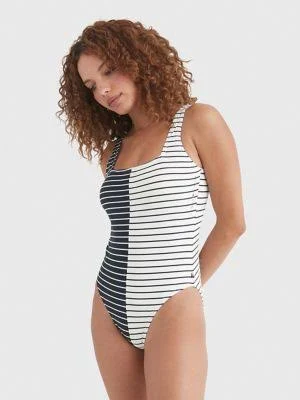
Tommy Hilfiger Women's Striped One-Piece Swimsuit
Typical swimwear with uncertain water-repellent coating treatment; no PFAS disclosure.
A polyester/nylon swimsuit with standard water-repellent treatment typical of the category for better drying. Tommy Hilfiger makes no public statement on whether water-repellent coating contains PFAS.
The better-graded swap
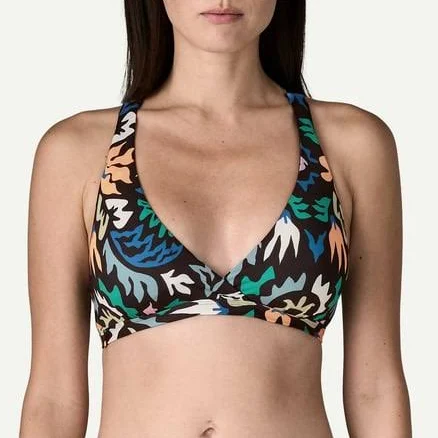
Patagonia
Patagonia Women's Bottom Turn Racerback Bikini Top
90/100 safety
Same rubric that flunked this product. The swap earned Excellent.
Still want this one anyway? Check the price on Amazon. We’d swap it.
Material
Polyester/nylon blend with likely water-repellent coating (water-repellent coating) treatment
Brand disclosure
Brand is silent on PFAS
Lab data
No public lab test
What Tommy Hilfiger Women's Striped One-Piece is made of, ingredients and materials
This swimsuit is polyester and nylon, both synthetic polymers chosen for stretch, chlorine resistance, and quick-dry properties. The water-repellent finish (almost certainly a fluorinated water-repellent coating) makes the fabric shed water but also introduces persistent chemicals. Polyester-nylon blends are durable but shed microfibers when washed, especially in the first 10-20 wears. The striped construction suggests screen printing or yarn dyeing, which may involve azo dyes or heavy metal pigments in inks.
What’s concerning
Category baseline
The starting point for this type of product, before anything specific to this product is counted.
No PFAS disclosure
No public statement from the brand about PFAS in this product.
Waterproof / stain-resistant treatment
Water-repellent coating treatments have historically used PFAS.
Microplastic shedding from polyester-nylon blend
Synthetic fibers break down and shed during washing and wear, especially before 20 wears. Mesh laundry bags reduce environmental release but do not eliminate fiber loss. This is standard for all polyester swimwear.
Heavy metals
Screen-printed or yarn-dyed patterns may use azo dyes (linked to cancer risk) or heavy metals like cadmium or lead in ink pigments. No testing disclosed for this product. Pigment migration during washing is possible but unlikely at normal use temperatures.
Source, FDA ↗water-repellent coating leaching and persistence in waterways
Fluorinated water-repellent coating treatments (likely present) are documented to persist in water ecosystems and accumulate in organisms. Rinsing in fresh water after each swim reduces leaching into pool/ocean environments. Home laundering also releases water-repellent coating into wastewater.
Formaldehyde / VOCs
Polyester-nylon swimwear may use formaldehyde-based resins for color fixation and durability. Tommy Hilfiger does not certify compliance with formaldehyde limits. Exposure is typically low in finished garments but possible during early wear or in warm, moist conditions.
Source, ATSDR ↗Elastane (spandex) degradation and particle release
Swimsuit elastic (likely 15-20% spandex) degrades faster than base fabrics, especially with chlorine, heat, and UV. Degraded elastane may shed particles during final wash cycles. This occurs across all swimwear brands and accelerates with poor storage or excessive heat.
The full breakdown
The brand's record and disclosure
Tommy Hilfiger is a mainstream fashion brand owned by PVH Corp; neither the brand nor parent company publicly discloses PFAS use or absence in swimwear. The brand has not obtained OEKO-TEX, bluesign, or other third-party chemical certification for this line. No recalls or chemical safety violations on public record for this specific product. Brand stance is silent, meaning you cannot verify chemical safety claims.
How it compares in its category
Standard mass-market swimwear is nearly universally treated with fluorinated water-repellent coating; this product is typical, not distinctive. Alternatives from brands like Patagonia (which discloses PFAS-free or PFAS-reduced products) or certified lines carry explicit chemical transparency. Budget and mid-tier brands including Tommy Hilfiger rarely disclose water-repellent coating formulations. If PFAS exposure is a concern, this product offers no documented advantage over competitors in the same price tier.
If you buy it
Rinse the swimsuit in cold fresh water after every swim to reduce microfiber and chemical leaching into pool or ocean water. Machine wash separately in cold water with minimal detergent, using a mesh laundry bag to contain fibers; air dry only. Expect color fading and elastic degradation after 50-80 wears (typical lifespan for this category). Replace if seams loosen, elastic loses stretch, or coating visibly flakes or peels.
What we don’t know
- Basis
- Model estimate, 42% confidence, not a lab result
- Lab test
- None on record for this exact product
- Brand statement
- Tommy Hilfiger has made none
Formulations change between production runs, so check the current label. How we grade.
Better-graded alternatives in Swimwear
Patagonia
Women's Bottom Turn Racerback Bikini Top
- Nylon/polyester blend with elastane (standard swimwear)
- The brand calls it PFAS-free, which we have not verified
- Elastane (spandex) degradation under heat or chlorine
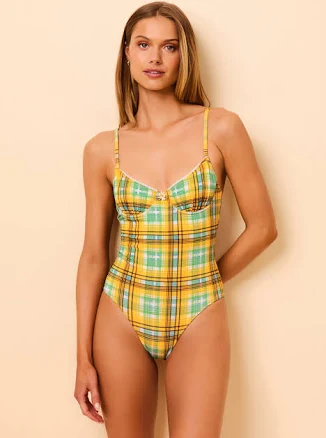
Solid & Striped
Taylor One Piece Seersucker Plaid
- Cotton/cotton-blend seersucker plaid
- We found no PFAS statement from the brand
- Azo dyes and colorfast stability
2 hazards checked on this product. See all of them.
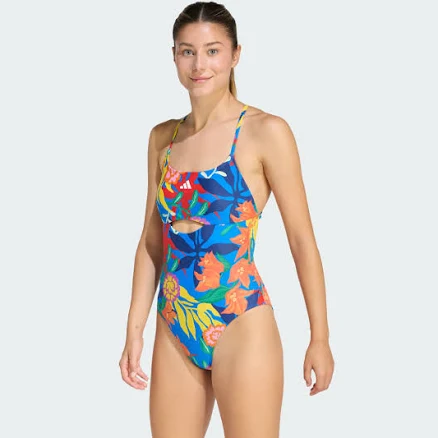
Adidas
Women's Mexicana Florals Tie-Back Swimsuit
- Polyester/nylon swimsuit fabric, likely uncoated or standard finish
- Azo dyes and synthetic colorants
4 hazards checked on this product. See all of them.
More swimwear grades
How we score, every product runs through the same public 0-100 rubric based on materials, coatings, brand disclosure, lab findings, and recalls. See the full methodology → Spotted a mistake? Report an error.