Tranquility · Incontinence Pads & Protection
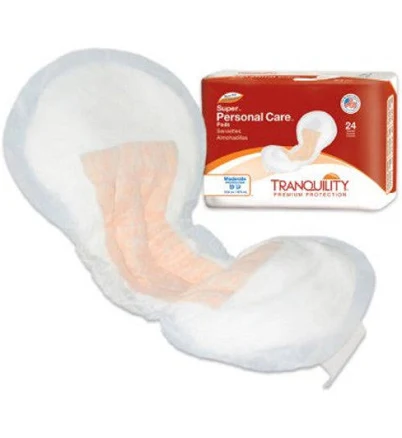
PBE Tranquility Personal Care Pads
Lower concern. Standard absorbent materials with no water-repellent finish on record.
This product uses cellulose, rayon, and cotton in the absorbent core. The brand has no PFAS statement on record. No coating or water-repellent finish is disclosed.
We flunk more products than we pass. This one earned its grade. How we grade
Material
Cellulose, rayon, cotton absorbent core (standard pad materials)
Brand disclosure
Brand is silent on PFAS
Lab data
No public lab test
You may also be interested in
Top-graded picks in the categories readers replace first, every one scored on the same rubric.

- polypropylene filter housing, carbon/sediment cartridge
- We found no PFAS statement from the brand
- Bacterial growth in spent cartridges
3 hazards checked on this product, all on its full breakdown.

Aquasure
Premier Series 75 GPD Under Sink Reverse Osmosis Water Filtration System
- RO membrane, carbon filters, stainless steel housing
- We found no PFAS statement from the brand
- Bacterial and microbial growth in housing and filters
4 hazards checked on this product, all on its full breakdown.

Avocado
Vegan Mattress
- organic cotton, natural latex, coconut coir, recycled steel coils
- The brand calls it PFAS-free, which we have not verified
- Heavy metals
2 hazards checked on this product, all on its full breakdown.
What PBE Tranquility Personal Care Pads is made of, ingredients and materials
Tranquility pads use cellulose, rayon, and cotton in the absorbent core, all well-established materials in menstrual products with decades of safety history. These materials are chosen for absorbency and biodegradability rather than synthetic polymers that carry leaching concerns. The cellulose and rayon are processed to remove most impurities, though rayon production involves chemical solvents that are largely removed before the final product reaches consumers. Cotton adds natural fiber stability and comfort without chemical additives in typical formulations.
What’s concerning
Category baseline
The starting point for this type of product, before anything specific to this product is counted.
No PFAS disclosure
No public statement from the brand about PFAS in this product.
Chlorine bleaching byproducts (dioxins)
Period pads are often bleached to achieve whiteness; modern oxygen-based bleaching is standard in developed markets, but chlorine bleaching history in textiles can produce trace dioxins. Tranquility does not specify bleaching method, so residual risk cannot be ruled out entirely, though regulatory limits in most jurisdictions minimize actual exposure.
Allergens in fragrance or additives
If Tranquility pads contain added fragrance or botanical extracts (common in scented variants), undisclosed fragrance ingredients may trigger allergic contact dermatitis in sensitive users. The brand does not itemize fragrance components, limiting ability to identify specific allergen triggers.
What’s reassuring
Base material not linked to PFAS
The main material recorded for this product is not one associated with PFAS.
Rayon chemical residues
Rayon is produced via viscose or Lyocell processes involving sodium hydroxide and carbon disulfide; industrial-grade processing removes these solvents to below detectable levels in finished pads, with no established consumer exposure risk reported in scientific literature.
Dyes and colorants in non-absorbent layers
The printed or colored outer layer of pads may contain synthetic dyes; azo dyes (which can release carcinogenic amines) are restricted in many regions but not universally banned. Tranquility provides no dye specification, though direct skin contact with outer layers is minimal and migration risk is low.
Microplastic shedding from synthetic backing
Pad backing is typically polypropylene or polyethylene; these do not shed microplastics under normal use conditions. No studies document menstrual pad synthetic materials contributing to body microplastic burden during typical wear.
How is this PFAS grade calculated?
The brand's record and disclosure
Tranquility (owned by Essity, a Swedish hygiene company) does not publicly disclose detailed material sourcing, chemical testing, or third-party certifications for this specific product line. The brand has not faced major safety recalls or public health controversies related to these pads. However, the company's silence on ingredient transparency and testing standards is common in the period-care industry and represents a missed opportunity for consumer trust rather than evidence of a hidden problem.
How it compares in its category
Standard rayon-cotton-cellulose pads like Tranquility occupy the mainstream middle ground, with lower concern than ultra-cheap unregulated imports but less transparency than premium organic-certified brands like Seventh Generation or Cora. Most major brands (Kotex, Always, Tampax) use near-identical core materials with similar disclosure practices. Tranquility's positioning suggests cost-conscious manufacturing with standard regulatory compliance but not premium safety differentiation.
If you buy it
Change pads every 4-8 hours to prevent bacterial overgrowth and odor; do not use for non-menstrual bleeding without medical guidance. Store in a cool, dry place away from direct sunlight, which can degrade rayon fibers over time. If you experience unusual irritation, rash, or odor, discontinue use and consult a healthcare provider; sensitivity is rare but individual variation exists. These pads are not reusable; dispose according to local waste guidelines.
What is not known about PFAS in this product?
- Basis
- Model estimate, 72% confidence, not a lab result
- Lab test
- None on record for this exact product
- Brand statement
- Tranquility has made none
Formulations change between production runs, so check the current label. How we grade.
More incontinence pads & protection grades
How we score, every product runs through the same public 0-100 rubric based on materials, coatings, brand disclosure, lab findings, and recalls. See the full methodology → Spotted a mistake? Report an error.