Tranquility · Incontinence Pads & Protection
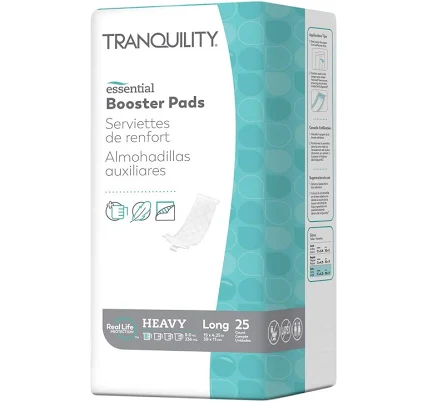
Tranquility Essential Booster Pads Heavy Absorbency, Long - 4-1/4 x 15 Inch (Case of 200)
Standard materials carry lower PFAS risk; no water-repellent coating treatment found.
These booster pads use cellulose and nonwoven layers without apparent water-resistant coatings. No PFAS claims exist and materials lack fluorinated treatments.
We flunk more products than we pass. This one earned its grade. How we grade
Material
cellulose/fluff pulp absorbent core with nonwoven layers
Brand disclosure
Brand is silent on PFAS
Lab data
No public lab test
You may also be interested in
Top-graded picks in the categories readers replace first, every one scored on the same rubric.

- polypropylene filter housing, carbon/sediment cartridge
- We found no PFAS statement from the brand
- Bacterial growth in spent cartridges
3 hazards checked on this product, all on its full breakdown.

Aquasure
Premier Series 75 GPD Under Sink Reverse Osmosis Water Filtration System
- RO membrane, carbon filters, stainless steel housing
- We found no PFAS statement from the brand
- Bacterial and microbial growth in housing and filters
4 hazards checked on this product, all on its full breakdown.

Avocado
Vegan Mattress
- organic cotton, natural latex, coconut coir, recycled steel coils
- The brand calls it PFAS-free, which we have not verified
- Heavy metals
2 hazards checked on this product, all on its full breakdown.
What Tranquility Essential Booster Pads 200) is made of, ingredients and materials
Tranquility Essential Booster Pads use cellulose fluff pulp as the absorbent core, a wood-derived material that naturally lacks PFAS compounds. The nonwoven outer and inner layers are typically polypropylene or similar synthetics, chosen for fluid management and skin contact compatibility. This material combination is industry standard for incontinence pads and poses no inherent chemical leaching risk during normal use, as cellulose and polypropylene do not release volatile compounds or toxic byproducts under body temperature.
What’s concerning
Category baseline
The starting point for this type of product, before anything specific to this product is counted.
No PFAS disclosure
No public statement from the brand about PFAS in this product.
Skin irritation or allergic reaction
Polypropylene nonwovens and cellulose pulp are hypoallergenic by design, but individual sensitivities to adhesives, fragrances (if added), or dyes can occur. No fragrance or dye information is publicly available for this product line.
Bacterial or fungal growth if pad remains in place too long
Extended wear of any absorbent pad, regardless of material, creates warm, moist conditions favorable to microbial colonization. This is a usage issue rather than a material defect, but high absorbency designs may delay perceived saturation.
What’s reassuring
Base material not linked to PFAS
The main material recorded for this product is not one associated with PFAS.
Formaldehyde / VOCs
Nonwoven polypropylene fabrics occasionally contain residual formaldehyde from manufacturing resins, but commercial incontinence pads are not known to release detectable levels. No testing or complaints on record for Tranquility products.
Source, ATSDR ↗Pulp bleach residues or chlorine byproducts
Cellulose fluff pulp is typically chlorine-bleached during manufacture, but finished products undergo rinsing and do not retain hazardous bleach levels. Industry practice and regulatory oversight in pulp production minimize this risk.
Microplastic shedding
Polypropylene nonwovens are stable during normal use; fragmentation or fiber release is not documented for intact pads under body-wear conditions. Disposal in landfill or incineration does not pose a direct consumer hazard.
How is this PFAS grade calculated?
The brand's record and disclosure
Tranquility (owned by Essity/SCA) does not publicly disclose ingredient sourcing, chemical certifications, or PFAS testing protocols. The brand maintains no published stance on water-repellent treatments, though their silence on PFAS suggests no aggressive water-repellent coating (water-repellent coating) coating. No recalls, safety alerts, or regulatory actions on record for this product line. The company markets to clinical and home-care sectors without third-party sustainability or material safety certifications.
How it compares in its category
Tranquility Essential pads occupy the mid-range of incontinence absorbents. Unlike premium brands offering certification (e.g., some organic cotton options or hypoallergenic claims), Tranquility emphasizes cost and availability rather than material transparency. Competitor products from Depend and Attends share similar cellulose-polypropylene cores; booster pads across the category rarely undergo independent chemical testing, making relative safety profiles difficult to distinguish.
If you buy it
Store in cool, dry conditions away from moisture and direct sunlight to prevent degradation and mold growth in the case. Change pads regularly (per usage guidelines) to prevent skin maceration and bacterial overgrowth, not due to chemical concerns. No special handling, heating, or washing is relevant for a single-use incontinence product. Discontinue use if skin irritation develops and patch-test on a small area if allergic sensitivities are present.
What is not known about PFAS in this product?
- Basis
- Model estimate, 72% confidence, not a lab result
- Lab test
- None on record for this exact product
- Brand statement
- Tranquility has made none
Formulations change between production runs, so check the current label. How we grade.
More incontinence pads & protection grades
How we score, every product runs through the same public 0-100 rubric based on materials, coatings, brand disclosure, lab findings, and recalls. See the full methodology → Spotted a mistake? Report an error.