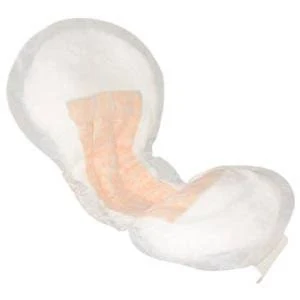
Tranquility · Incontinence Pads & Protection
Tranquility Personal Care Pads 13.5" x 6.5", 96/Case
Standard materials suggest lower PFAS risk; no treatment evident.
These pads use standard cellulose and wood pulp materials common in absorption products. No PFAS claims exist, but materials carry lower inherent risk.
We flunk more products than we pass. This one earned its grade. How we grade
Material
Cellulose, wood pulp, absorbent core, adhesives
Brand disclosure
Brand is silent on PFAS
Lab data
No public lab test
You may also be interested in
Top-graded picks in the categories readers replace first, every one scored on the same rubric.

- polypropylene filter housing, carbon/sediment cartridge
- We found no PFAS statement from the brand
- Bacterial growth in spent cartridges
3 hazards checked on this product, all on its full breakdown.

Aquasure
Premier Series 75 GPD Under Sink Reverse Osmosis Water Filtration System
- RO membrane, carbon filters, stainless steel housing
- We found no PFAS statement from the brand
- Bacterial and microbial growth in housing and filters
4 hazards checked on this product, all on its full breakdown.

Avocado
Vegan Mattress
- organic cotton, natural latex, coconut coir, recycled steel coils
- The brand calls it PFAS-free, which we have not verified
- Heavy metals
2 hazards checked on this product, all on its full breakdown.
What Tranquility Personal Care 6.5", 96/Case is made of, ingredients and materials
Tranquility pads use cellulose and wood pulp as the absorbent core, a widely used and well-tolerated material in period care. The adhesive system (type unspecified by brand) bonds the layers; these are typically acrylate-based and remain on the pad surface rather than migrating into skin. No bleaching method is disclosed, so chlorine-based or oxygen-based processing is possible. Overall, this is a conventional formulation with no exotic additives that would trigger elevated concern.
What’s concerning
Category baseline
The starting point for this type of product, before anything specific to this product is counted.
No PFAS disclosure
No public statement from the brand about PFAS in this product.
Chlorine residues from bleaching
Brand does not disclose bleaching method for cellulose core. Chlorine-based bleaching is common in low-cost pads and can leave trace residues, though migration to skin is minimal. Oxygen bleaching is a gentler alternative but is not confirmed here.
Bacterial growth and contamination during storage or use
Any absorbent pad can harbor bacteria if stored in humid conditions or if worn for extended periods. This is a usage and hygiene issue, not a product formulation defect specific to Tranquility.
What’s reassuring
Base material not linked to PFAS
The main material recorded for this product is not one associated with PFAS.
Adhesive residues and skin contact
Pad adhesives (typically acrylate-based) are designed to remain on the backing and not transfer to skin in normal use. No documented cases of dermatological reaction specific to Tranquility brand pads are on record.
Fragrance and fragrance allergens
No fragrance or scent additives are listed for this product. Many period pads do contain fragrance; absence here reduces risk of allergic contact dermatitis in sensitive users.
Formaldehyde / VOCs
Modern adhesive systems in period pads do not typically rely on formaldehyde donors. No public disclosure or recall implicates this hazard class for Tranquility products.
Source, ATSDR ↗How is this PFAS grade calculated?
The brand's record and disclosure
Tranquility is a private-label or lesser-known brand with minimal public safety disclosures or third-party certifications on record. No major recalls, chemical controversies, or ingredient transparency initiatives are documented. The brand does not publicly claim GOTS, Cradle-to-Cradle, or similar ecolabels, suggesting either absence of certification or lack of marketing emphasis. This opacity is typical of budget-tier period products and does not itself indicate a safety failure.
How it compares in its category
Tranquility pads occupy the mainstream, no-frills segment alongside store brands and mid-market alternatives. They lack the premium positioning (and pricing) of brands claiming organic cotton, hypoallergenic formulae, or reduced-chemical processes. In terms of established hazard profiles, cellulose-core pads sit in a low-risk zone compared to all-synthetic or heavily fragranced variants. Most period pads sold at scale use similar core chemistry, making this a category-typical choice rather than a standout.
If you buy it
Store in a cool, dry location away from direct sunlight to prevent adhesive degradation. Replace pads every 4 to 8 hours depending on flow; extended wear increases bacterial growth risk and is unrelated to pad chemistry. Discontinue use if rash, irritation, or allergic reaction occurs and switch brands to identify a trigger. No special handling or maintenance is required; discard after use per standard sanitation practices.
What is not known about PFAS in this product?
- Basis
- Model estimate, 72% confidence, not a lab result
- Lab test
- None on record for this exact product
- Brand statement
- Tranquility has made none
Formulations change between production runs, so check the current label. How we grade.
More incontinence pads & protection grades
How we score, every product runs through the same public 0-100 rubric based on materials, coatings, brand disclosure, lab findings, and recalls. See the full methodology → Spotted a mistake? Report an error.