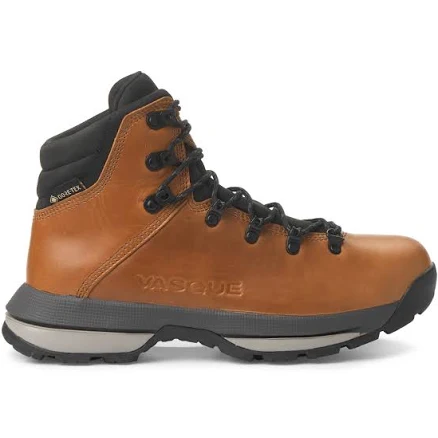
Vasque Men's St. Elias Waterproof Hiking Boots Brown 7.5
Waterproof hiking boots with unknown water-repellent coating treatment; brand silent on PFAS.
Vasque does not disclose waterproofing chemistry for this model. Waterproof outdoor footwear often uses PFAS-based water-repellent coating coatings, but no public confirmation exists for this specific boot.
Still want this one anyway? Check the price on Amazon. We’d swap it.
Material
Leather/synthetic upper with waterproof membrane coating
Brand disclosure
Brand is silent on PFAS
Lab data
No public lab test
You may also be interested in
Top-graded picks in the categories readers replace first, every one scored on the same rubric.

- polypropylene filter housing, carbon/sediment cartridge
- We found no PFAS statement from the brand
- Bacterial growth in spent cartridges
3 hazards checked on this product, all on its full breakdown.

Aquasure
Premier Series 75 GPD Under Sink Reverse Osmosis Water Filtration System
- RO membrane, carbon filters, stainless steel housing
- We found no PFAS statement from the brand
- Bacterial and microbial growth in housing and filters
4 hazards checked on this product, all on its full breakdown.

Avocado
Vegan Mattress
- organic cotton, natural latex, coconut coir, recycled steel coils
- The brand calls it PFAS-free, which we have not verified
- Heavy metals
2 hazards checked on this product, all on its full breakdown.
What Vasque Men's St. Elias Boots Brown is made of, ingredients and materials
Vasque St. Elias boots combine leather and synthetic uppers with a waterproof membrane (likely polyurethane or similar plastic laminate) bonded to the interior. The waterproof performance depends on a water-repellent coating (water-repellent coating) coating, typically fluorine-based, applied to the outer surface. Leather tanning methods and synthetic material composition are not publicly disclosed by Vasque for this model, making full hazard assessment difficult.
What’s concerning
Waterproof / stain-resistant treatment
Water-repellent coating treatments have historically used PFAS.
Category baseline
The starting point for this type of product, before anything specific to this product is counted.
No PFAS disclosure
No public statement from the brand about PFAS in this product.
Azo dyes in leather and synthetics
Brown leather and synthetic uppers are typically dyed with industrial colorants; if restricted azo dyes were used, they can break down to aromatic amines under sweat/humidity. Vasque does not publicly certify use of restricted-azo-dye-free processes for this model.
Formaldehyde / VOCs
Leather tanning and the polyurethane membrane lamination both commonly involve formaldehyde-containing resins or releasers. Off-gassing is typically mild in footwear but possible during first weeks of use, especially in warm storage.
Source, ATSDR ↗Coating degradation and microplastic/particulate shedding
The water-repellent coating and polyurethane membrane can crack and shed microparticles with heavy use and abrasion. This is a normal wear process but creates environmental and minor inhalation exposure during foot movement in enclosed spaces.
Heavy metals
Chromium (typically Cr(III), which is low-hazard) is a standard leather tanning agent but can include Cr(VI) impurities if tannery controls are poor. Lead and cadmium in leather finishes are rare but possible in low-cost manufacturing. Vasque's tanning sourcing is not publicly disclosed.
Source, FDA ↗What’s reassuring
Antimony in synthetic polyester components
If synthetic uppers contain polyester, antimony catalysts used in manufacturing may leave trace residues; however, no antimony toxicity concerns are established for intact polyester apparel.
How is this PFAS grade calculated?
The brand's record and disclosure
Vasque, owned by VF Corporation, does not publicly commit to PFAS-free water-repellent coating treatments or disclose tanning chemistry for individual boot models. VF has made general sustainability pledges but has not released product-level chemical inventories for this footwear line. No major recalls or formal hazard warnings have been documented for this specific model, but the brand's silence on waterproofing chemistry is notable given widespread PFAS use in outdoor footwear.
How it compares in its category
Most waterproof hiking boots in this price range ($100-150) use fluorinated water-repellent coating treatments; PFAS-free alternatives exist (brands like Danner and some Salomon lines offer non-fluorinated options) but are less common at entry-level prices. Leather and synthetic hybrid construction is standard. Vasque's disclosure practices are typical of mid-market outdoor brands but lag premium brands that voluntarily test for PFAS.
If you buy it
Minimize skin contact with the exterior water-repellent coating, especially when wet. Wash hands after handling new boots before eating. Avoid machine washing; use gentle hand cleaning with mild soap and cool water. Replace boots when waterproofing visibly fails (water beading stops) or after 2-3 years of heavy use; do not attempt to re-treat with aftermarket sprays unless certified PFAS-free. Leather conditioning products are generally low-hazard if applied outdoors or in ventilated spaces.
What is not known about PFAS in this product?
- Basis
- Model estimate, 45% confidence, not a lab result
- Lab test
- None on record for this exact product
- Brand statement
- Vasque has made none
Formulations change between production runs, so check the current label. How we grade.
What are the PFAS-free alternatives to Vasque Men's St. Elias Waterproof Hiking Boots Brown 7.5?
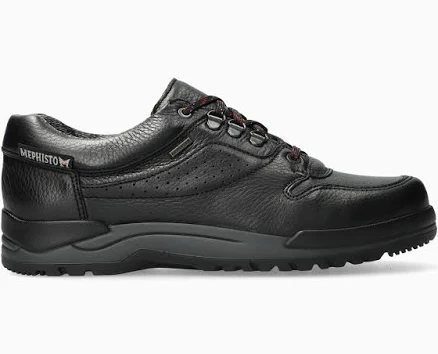
- leather, textile, rubber sole
- We found no PFAS statement from the brand
- Volatile organic compounds (VOC) off-gassing from adhesives
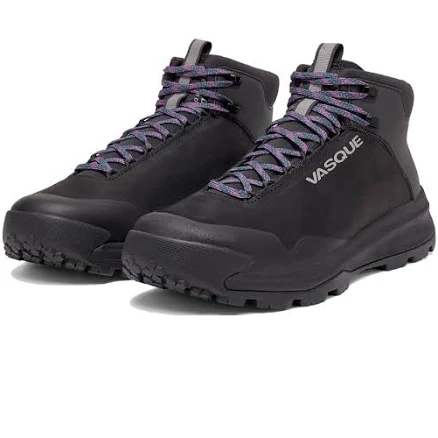
- Leather/nubuck upper, synthetic/rubber sole, no coating disclosed
- We found no PFAS statement from the brand
- Azo dyes (leather/textile coloring)
4 hazards checked on this product, all on its full breakdown.
Find an alternative on AmazonMore waterproof boots grades
How we score, every product runs through the same public 0-100 rubric based on materials, coatings, brand disclosure, lab findings, and recalls. See the full methodology → Spotted a mistake? Report an error.