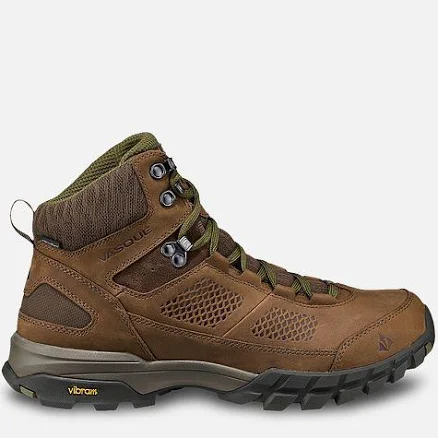
Vasque Men's Talus AT UltraDry Hiking Boots
water-repellent coating hiking boots, waterproof treatment likely contains PFAS. Brand silent on composition.
Vasque does not disclose PFAS use in UltraDry waterproofing. Hiking boots with durable water repellency typically employ fluorinated compounds. No third-party testing or PFAS-free claims found.
Still want this one anyway? Check the price on Amazon. We’d swap it.
Material
Nubuck leather, textile, UltraDry waterproof coating
Brand disclosure
Brand is silent on PFAS
Lab data
No public lab test
You may also be interested in
Top-graded picks in the categories readers replace first, every one scored on the same rubric.

- polypropylene filter housing, carbon/sediment cartridge
- We found no PFAS statement from the brand
- Bacterial growth in spent cartridges
3 hazards checked on this product, all on its full breakdown.

Aquasure
Premier Series 75 GPD Under Sink Reverse Osmosis Water Filtration System
- RO membrane, carbon filters, stainless steel housing
- We found no PFAS statement from the brand
- Bacterial and microbial growth in housing and filters
4 hazards checked on this product, all on its full breakdown.

Avocado
Vegan Mattress
- organic cotton, natural latex, coconut coir, recycled steel coils
- The brand calls it PFAS-free, which we have not verified
- Heavy metals
2 hazards checked on this product, all on its full breakdown.
What Vasque Men's Talus AT Hiking Boots is made of, ingredients and materials
These boots combine nubuck leather (suede-like top layer of split leather hide) with textile linings and a water-repellent coating (water-repellent coating) coating branded as UltraDry. Nubuck itself is chemically stable once finished, but the UltraDry waterproofing treatment is applied as a topical polymer barrier. The exact chemistry is proprietary, but hiking boot water-repellent coating coatings in this category typically rely on fluorocarbon chains to achieve water and stain resistance, which introduces PFAS exposure risk.
What’s concerning
Waterproof / stain-resistant treatment
Water-repellent coating treatments have historically used PFAS.
Category baseline
The starting point for this type of product, before anything specific to this product is counted.
No PFAS disclosure
No public statement from the brand about PFAS in this product.
PFAS
UltraDry waterproofing on hiking boots typically incorporates long-chain PFAS or PFAS alternatives; exact chemistry undisclosed by Vasque. PFAS in waterproof footwear can leach from coating into sweat during wear, especially in wet conditions.
Source, ATSDR ↗Formaldehyde / VOCs
Nubuck leather and synthetic textile linings may contain formaldehyde-based resins used in tanning, dyeing, or adhesive bonding. Exposure via skin contact is low but increases with sweat and moisture during extended wear.
Source, ATSDR ↗Azo dyes in nubuck and textile
Nubuck leather pigmentation and lining fabrics may use azo-based colorants. No specific testing of Vasque boots for restricted azo dyes (e.g., arylamines) has been published; risk is low for skin sensitization but not zero.
Adhesive volatiles (VOCs)
Synthetic leather lamination, sole bonding, and waterproof membrane adhesives may release volatile organic compounds during break-in and storage. Off-gassing typically fades within 1-2 weeks of use in ventilated conditions.
What’s reassuring
Metallic accelerators or antimony in polyester components
No reports of antimony or heavy metals in Vasque hiking boot construction; standard leather and nylon components do not typically use antimony-based pigments. Risk is not established for this product.
How is this PFAS grade calculated?
The brand's record and disclosure
Vasque is owned by Red Wing Heritage and has not published public statements about PFAS content in their waterproof hiking footwear line. The brand does not list waterproofing chemistry or third-party certifications for PFAS avoidance on product pages or technical documentation. No recalls or public safety controversies specific to Vasque boots have been documented, but the silence on water-repellent coating composition is typical of outdoor footwear brands and does not guarantee safety.
How it compares in its category
Most mid-to-premium hiking boots in this price tier use similar fluorocarbon-based water-repellent coating treatments as a baseline waterproofing standard. Some competitors (e.g., Salomon, ASOLO) have similarly undisclosed water-repellent coating chemistry. A small subset of brands now offer PFAS-free alternatives (e.g., Danner, some Patagonia models), but these remain less common and often cost more. Vasque's UltraDry positioning is mainstream rather than differentiated on chemical safety.
If you buy it
Minimize skin contact with the water-repellent coating-coated upper by wearing socks that cover the ankle and using gaiters in wet conditions. Avoid washing the boots in hot water or high heat, which can stress the coating. Reapply water-repellent coating annually using PFAS-free alternatives (silicone-based products) once the original finish degrades, rather than using brand-supplied fluorocarbon treatments. Do not dry them near direct heat; air dry at room temperature.
What is not known about PFAS in this product?
- Basis
- Model estimate, 45% confidence, not a lab result
- Lab test
- None on record for this exact product
- Brand statement
- Vasque has made none
Formulations change between production runs, so check the current label. How we grade.
What are the PFAS-free alternatives to Vasque Men's Talus AT UltraDry Hiking Boots?
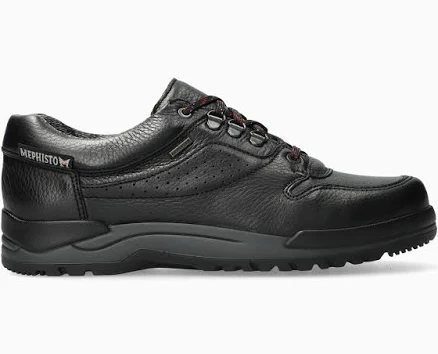
- leather, textile, rubber sole
- We found no PFAS statement from the brand
- Volatile organic compounds (VOC) off-gassing from adhesives
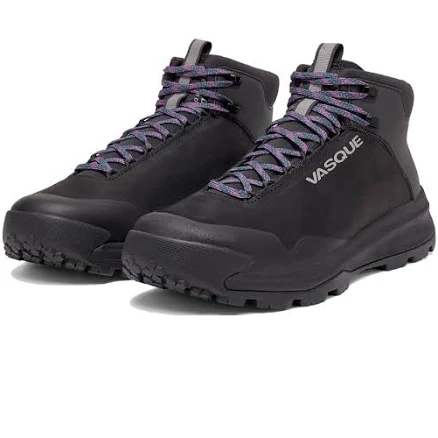
- Leather/nubuck upper, synthetic/rubber sole, no coating disclosed
- We found no PFAS statement from the brand
- Azo dyes (leather/textile coloring)
4 hazards checked on this product, all on its full breakdown.
Find an alternative on AmazonMore waterproof boots grades
How we score, every product runs through the same public 0-100 rubric based on materials, coatings, brand disclosure, lab findings, and recalls. See the full methodology → Spotted a mistake? Report an error.