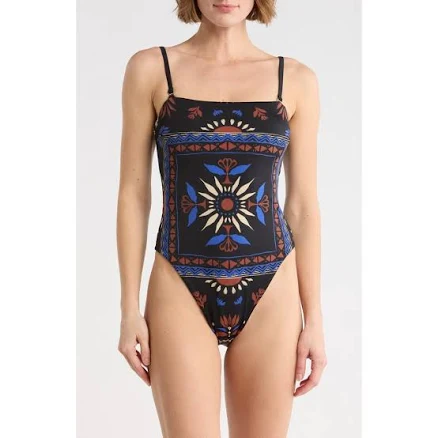
Vitamin A Mila One-Piece Swimsuit
Lower-concern baseline for untreated nylon swimwear; brand silence on PFAS is typical but unverified.
Vitamin A swimsuits are primarily nylon-based without advertised water-repellent or stain-resistant treatments, the main PFAS exposure in apparel. The brand makes no public PFAS claims or disclosures.
The better-graded swap
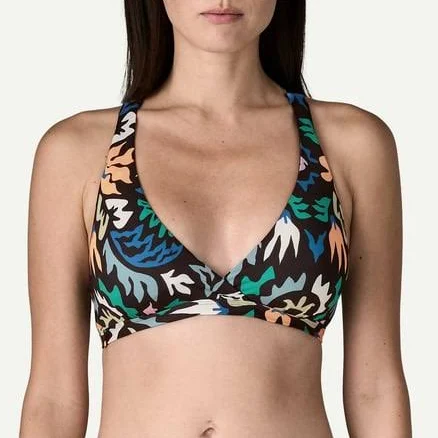
Patagonia
Patagonia Women's Bottom Turn Racerback Bikini Top
90/100 safety
Same rubric that flunked this product. The swap earned Excellent.
Still want this one anyway? Check the price on Amazon. We’d swap it.
Material
Nylon/polyamide blend swimsuit fabric
Brand disclosure
Brand is silent on PFAS
Lab data
No public lab test
You may also be interested in
Top-graded picks in the categories readers replace first, every one scored on the same rubric.

Aqua Pure
3M Aqua-Pure AP802B Whole House Filter Housing
- polypropylene filter housing, carbon/sediment cartridge
- We found no PFAS statement from the brand
- Bacterial growth in spent cartridges
3 hazards checked on this product. See all of them.

Aquasure
Premier Series 75 GPD Under Sink Reverse Osmosis Water Filtration System
- RO membrane, carbon filters, stainless steel housing
- We found no PFAS statement from the brand
- Bacterial and microbial growth in housing and filters
4 hazards checked on this product. See all of them.

Avocado
Vegan Mattress
- organic cotton, natural latex, coconut coir, recycled steel coils
- The brand calls it PFAS-free, which we have not verified
- Heavy metals
2 hazards checked on this product. See all of them.
What Vitamin A Mila One-Piece Swimsuit is made of, ingredients and materials
The Mila is a nylon/polyamide blend, the industry standard for swimwear because it resists chlorine, salt water, and UV better than cotton or synthetics alone. Nylon itself is chemically stable once manufactured and does not leach monomers into water or skin under normal use. The blend may include spandex (elastane) for stretch, which is also stable in this application.
What’s concerning
Category baseline
The starting point for this type of product, before anything specific to this product is counted.
No PFAS disclosure
No public statement from the brand about PFAS in this product.
Azo dyes (textile colorants)
Nylon swimwear is typically dyed with acid dyes or reactive dyes; some formulations may use azo structures that can cleave to release aromatic amines under moisture and friction. No specific azo dye violation is on record for Vitamin A, and modern manufacturers often use restricted-azo compliant dyes, but brand does not disclose dye chemistry.
Dye bleeding and skin contact
Loose dyes can transfer to skin or fade into pool water, particularly in the first wash. This is a comfort and staining issue more than a direct toxicity risk for synthetic dyes on skin, but pre-washing is prudent for sensitive skin.
Microplastic shedding
Nylon fibers can shed during washing and wear, contributing to microplastic pollution in water systems. This is an environmental rather than personal-safety hazard, but relevant to informed purchase; no brand-specific data is available.
What’s reassuring
Base material not linked to PFAS
The main material recorded for this product is not one associated with PFAS.
Formaldehyde / VOCs
Swimwear does not typically require formaldehyde-based wrinkle-resist or crease-set finishes because it is meant to be wet and stretched. Vitamin A does not list formaldehyde treatment on product care or materials information.
Source, ATSDR ↗Heavy metals
If the Mila One-Piece includes printed graphics or metal-based pigments (e.g., metallic thread), heavy-metal contamination is theoretically possible but Vitamin A does not disclose pigment sourcing. Standard swimwear inks are generally low-risk, and no recalls or warnings exist.
Source, FDA ↗The full breakdown
The brand's record and disclosure
Vitamin A is a small, US-based swimwear label with no major recalls or public safety disclosures on record. The brand does not prominently advertise chemical certifications (OEKO-TEX, bluesign) or publish PFAS treatment details, which is typical for mid-tier swimwear but leaves water-repellency chemistry unverified. No established controversies or regulatory actions are documented.
How it compares in its category
Nylon swimwear is the norm; Vitamin A's construction sits at the expected safety baseline for this material class. Luxury and eco-conscious brands may offer OEKO-TEX certification or documented water-repellent coating-free designs, but standard nylon swimwear like this carries no documented advantage or disadvantage versus other mid-market competitors.
If you buy it
Rinse immediately after chlorine or salt water exposure to minimize fiber stress and dye bleeding. Wash in cool water with mild detergent and air dry; heat (dryers, direct sun for hours) can degrade spandex elasticity faster. Replace when elastic loses snap or seams begin fraying. Store dry to prevent mildew; nylon itself does not off-gas.
What we don’t know
- Basis
- Model estimate, 72% confidence, not a lab result
- Lab test
- None on record for this exact product
- Brand statement
- Vitamin A has made none
Formulations change between production runs, so check the current label. How we grade.
Better-graded alternatives in Swimwear
Patagonia
Women's Bottom Turn Racerback Bikini Top
- Nylon/polyester blend with elastane (standard swimwear)
- The brand calls it PFAS-free, which we have not verified
- Elastane (spandex) degradation under heat or chlorine
More swimwear grades
How we score, every product runs through the same public 0-100 rubric based on materials, coatings, brand disclosure, lab findings, and recalls. See the full methodology → Spotted a mistake? Report an error.