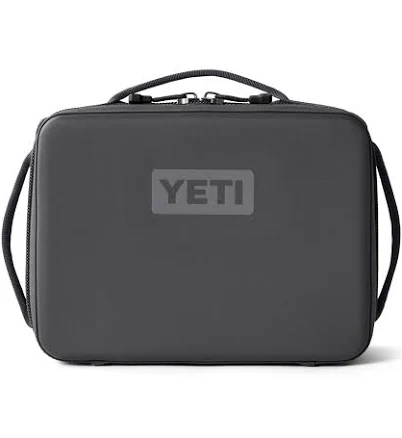
Daytrip Lunch Box YETI
No coating described, and no PFAS statement from the brand.
The product information we reviewed describes insulated lunch box, materials not fully described, with no water-repellent coating named. Water resistance on products like this usually comes from the material and its seals rather than a surface treatment. The brand has published no PFAS statement for it.
The better-graded swap
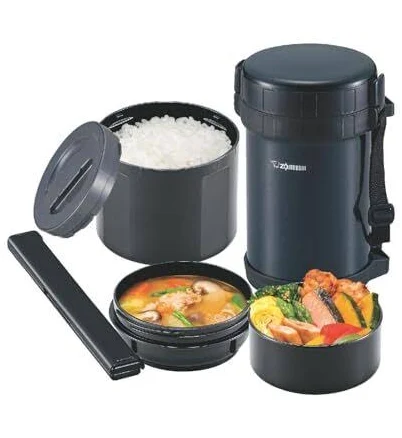
Zojirushi
Zojirushi SL-XE20AD Classic Stainless Lunch Jar
80/100 safety
Same rubric that flunked this product. The swap earned Excellent.
Still want this one anyway? Check the price on Amazon. We’d swap it.
Material
Insulated lunch box, materials not fully described
Lab data
No public lab test
What Daytrip Lunch Box YETI is made of, ingredients and materials
The Daytrip is an insulated lunch box; Yeti does not publicly detail the full material composition, but typically uses food-grade plastic exterior shells, polyurethane or polyethylene foam insulation, and stainless steel or plastic liners. The lack of transparency on exact resin types and adhesives used in assembly makes full chemical assessment difficult. Food contact surfaces are the primary exposure route, so liner material safety is the key concern.
What’s concerning
Category baseline
The starting point for this type of product, before anything specific to this product is counted.
No PFAS disclosure
No public statement from the brand about PFAS in this product.
Microplastics
Repeated thermal cycling and acidic foods (citrus, vinegar) can cause micro-scale plastic shedding from interior liners. Risk is low with proper care but rises if the box is exposed to temperature extremes or stored with wet acidic residue.
Source, EPA ↗Bacterial growth in seals and insulation
Foam insulation and gasket seals can harbor bacteria and mold if not dried thoroughly after cleaning or if the box is stored damp. This is a use and maintenance issue rather than a material hazard, but relevant to food safety.
What’s reassuring
Base material not linked to PFAS
The main material recorded for this product is not one associated with PFAS.
BPA & bisphenols
Yeti does not publish BPA-free certification for the Daytrip. Food-contact plastics are the primary exposure route; without material datasheet disclosure, presence or absence of these additives cannot be verified from public information.
Source, FDA ↗Adhesive and assembly chemical off-gassing
Insulated lunch boxes use adhesives to bond foam, shells, and liners. Yeti does not disclose VOC or formaldehyde testing; odors on opening a new box are typical but should dissipate within days.
Stainless steel or metal liner leaching
If the Daytrip uses stainless steel liners, leaching risk is minimal under normal use. If plastic liners are present, material composition is not disclosed; food-grade plastic should pose low risk for heavy metals in this product class.
The full breakdown
The brand's record and disclosure
Yeti has no public sustainability or chemical disclosure statement specific to lunch boxes, and does not advertise certifications like BPA-free or chemical testing results. The brand has a strong reputation for durability and quality in the outdoor/cooler category but remains silent on material sourcing and hazard testing. No recalls or contamination incidents are on record for Daytrip models.
How it compares in its category
Lunch boxes typically use polyethylene, polypropylene, or hard plastics for shells; Yeti's construction is mid-to-premium tier and likely comparable to competitors like OtterBox or Hydro Flask in material quality. Many budget lunch boxes lack insulation or use recycled plastics with less clarity on contaminant screening. Yeti's brand heritage in coolers suggests process discipline, but the category overall has minimal third-party safety certification.
If you buy it
Hand wash rather than dishwasher to minimize thermal stress on seals and liners; avoid prolonged contact with hot foods above 60°C (140°F) to reduce leaching risk from plastic components. Replace the box if the exterior cracks, foam compresses, or seals degrade, as insulation failure can lead to temperature swings that accelerate material degradation. Do not leave standing food inside for more than 4 hours without ice to prevent bacterial growth and material absorption of odors that indicate breakdown.
What we don’t know
- Basis
- Model estimate, 45% confidence, not a lab result
- Lab test
- None on record for this exact product
- Brand statement
- Yeti has made a specific claim
Formulations change between production runs, so check the current label. How we grade.
Better-graded alternatives in Lunch Boxes
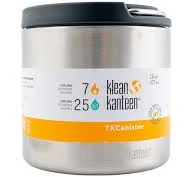
Klean Kanteen
Double Wall Vacuum Insulated Stainless Steel Food Canister Container with Leak Proof Lid
- Stainless steel body, silicone gasket lid seal
- The brand calls it PFAS-free, which we have not verified
- Silicone gasket degradation
3 hazards checked on this product. See all of them.
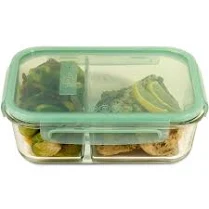
Snapware
Meal Box Glass
- borosilicate glass
- We found no PFAS statement from the brand
- Leaching from glass matrix or lid seals
2 hazards checked on this product. See all of them.
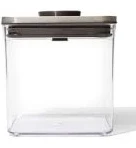
OXO
Steel Pop Big Square Short - 2.8 Qt/2.6 l
- Stainless steel container, no surface treatment
- Lid/gasket polymer leaching
3 hazards checked on this product. See all of them.
More lunch boxes grades
How we score, every product runs through the same public 0-100 rubric based on materials, coatings, brand disclosure, lab findings, and recalls. See the full methodology → Spotted a mistake? Report an error.