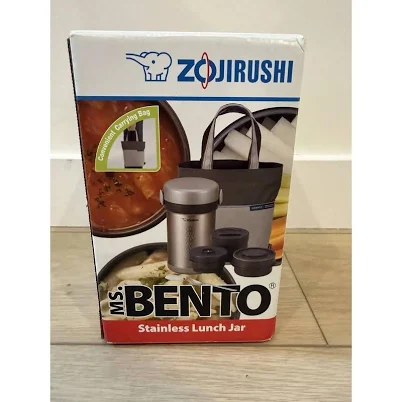
Zojirushi Ms. Bento Lunch Jar
Lower concern. Stainless steel container unlikely to contain PFAS.
Zojirushi Ms. Bento uses stainless steel construction with silicone seals, materials not typically associated with PFAS. No brand PFAS disclosure found; standard food storage safety applies.
We flunk more products than we pass. This one earned its grade. How we grade
Material
Stainless steel food container with silicone seals
Lab data
No public lab test
You may also be interested in
Top-graded picks in the categories readers replace first, every one scored on the same rubric.

- polypropylene filter housing, carbon/sediment cartridge
- We found no PFAS statement from the brand
- Bacterial growth in spent cartridges
3 hazards checked on this product, all on its full breakdown.

Aquasure
Premier Series 75 GPD Under Sink Reverse Osmosis Water Filtration System
- RO membrane, carbon filters, stainless steel housing
- We found no PFAS statement from the brand
- Bacterial and microbial growth in housing and filters
4 hazards checked on this product, all on its full breakdown.

Avocado
Vegan Mattress
- organic cotton, natural latex, coconut coir, recycled steel coils
- The brand calls it PFAS-free, which we have not verified
- Heavy metals
2 hazards checked on this product, all on its full breakdown.
What Zojirushi Ms. Bento Lunch Jar is made of, ingredients and materials
The Ms. Bento uses food-grade stainless steel (typically 18/8 or 18/10 alloy) as its primary container material, which is chemically inert and resistant to corrosion or leaching into food. Silicone gaskets and seals create an airtight compartmentalized lunch system. Stainless steel does not release harmful compounds when in contact with food, and silicone does not off-gas or break down under normal lunch-box temperatures (room temperature to moderate heat from hot food).
What’s concerning
Category baseline
The starting point for this type of product, before anything specific to this product is counted.
No PFAS disclosure
No public statement from the brand about PFAS in this product.
Silicone seal degradation over time
Silicone gaskets can stiffen, crack, or lose elasticity after repeated thermal cycling (hot food, dishwasher heat) or prolonged contact with acidic foods or oils. Degraded seals compromise the airtight seal and may allow bacterial growth in crevices, though they do not release toxic compounds themselves.
Bacterial colonization in gasket grooves
Silicone seals have microscopic ridges where food debris and moisture can accumulate if not cleaned thoroughly, creating conditions for mold or bacterial biofilm growth. This is a hygiene risk rather than a chemical one, but is common in all compartmentalized lunch containers with silicone seals.
What’s reassuring
Base material not linked to PFAS
The main material recorded for this product is not one associated with PFAS.
Stainless steel nickel leaching
Food-grade stainless steel (18/8 or 18/10) is designed to resist corrosion and does not release significant nickel or chromium into food under normal use. No published reports of nickel leaching from Zojirushi stainless steel lunch containers exist in consumer or regulatory databases.
Microplastic generation
Stainless steel and silicone do not shed microplastics as polymers do. The Ms. Bento avoids this hazard entirely compared to plastic lunch containers, which can fragment under wear or heating.
Off-gassing or volatile organic compound (VOC) emission
Stainless steel and food-grade silicone do not off-gas formaldehyde, phthalates, or other VOCs at room temperature or typical lunch storage temperatures. No odor or chemical emissions are documented for this product line.
How is this PFAS grade calculated?
The brand's record and disclosure
Zojirushi is a Japanese manufacturer with decades of reputation in food-storage products and has not faced significant recalls or safety controversies related to chemical leaching. The company does not publicly disclose comprehensive materials testing or third-party certifications for food-contact safety on this product line, which is typical for mainstream kitchenware brands but represents a gap in transparency. No established safety violations or hazard reports are on public record for this model.
How it compares in its category
Stainless steel lunch containers are not a material linked to BPA/BPS, unlike polycarbonate or polypropylene lunch boxes which carry those concerns. Silicone seals are generally recognized as food-safe and chemically stable, though some competitors use BPA-free plastics or metal clips that may pose lower microplastic or coating-degradation risks over years of use. The Ms. Bento shows lower concern compared to mainstream lunch-jar options.
If you buy it
Hand wash the silicone seals regularly to prevent bacterial biofilm buildup in the gasket grooves, especially if the container holds moist foods. Do not place the stainless steel container directly on high heat (stovetop burners) as silicone can degrade; it is designed for ambient and lunchbox-temperature use. Inspect seals annually for cracking, stiffening, or discoloration; silicone typically remains functional for 2-3 years with normal use before replacement. Avoid abrasive scrubbing that may scratch the steel interior, which can reduce its corrosion resistance over decades.
What is not known about PFAS in this product?
- Basis
- Model estimate, 72% confidence, not a lab result
- Lab test
- None on record for this exact product
- Brand statement
- Zojirushi has made a specific claim
Formulations change between production runs, so check the current label. How we grade.
What are the PFAS-free alternatives to Zojirushi Ms. Bento Lunch Jar?
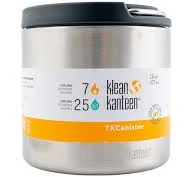
Klean Kanteen
Double Wall Vacuum Insulated Stainless Steel Food Canister Container with Leak Proof Lid
- Stainless steel body, silicone gasket lid seal
- The brand calls it PFAS-free, which we have not verified
- Silicone gasket degradation
3 hazards checked on this product, all on its full breakdown.
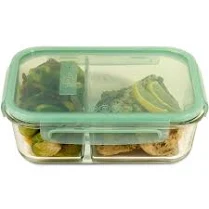
- borosilicate glass
- We found no PFAS statement from the brand
- Leaching from glass matrix or lid seals
2 hazards checked on this product, all on its full breakdown.
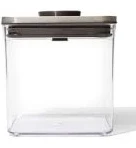
- Stainless steel container, no surface treatment
- Lid/gasket polymer leaching
3 hazards checked on this product, all on its full breakdown.
More lunch boxes grades
How we score, every product runs through the same public 0-100 rubric based on materials, coatings, brand disclosure, lab findings, and recalls. See the full methodology → Spotted a mistake? Report an error.