Spenco Review, Is Spenco Non-Toxic?
Spenco averages 65 out of 100 on PFAS Authority's PFAS and toxin screen across the 10 Spenco products graded as of October 2026, and none of them reach its 70 point pass mark.
Spenco grades Good on our four-band scale. On disclosure, the brand says nothing publicly about PFAS. See what every brand has published about PFAS for how that compares.
PFAS Authority is a scoring system, not a laboratory. We do not test products ourselves. Grades are model-based, built from published ingredients, materials, certifications, brand disclosures and third-party lab results where they exist. See the rubric.
You may also be interested in
Top-graded picks in the categories readers replace first, every one scored on the same rubric.

- polypropylene filter housing, carbon/sediment cartridge
- We found no PFAS statement from the brand
- Bacterial growth in spent cartridges
3 hazards checked on this product, all on its full breakdown.

Aquasure
Premier Series 75 GPD Under Sink Reverse Osmosis Water Filtration System
- RO membrane, carbon filters, stainless steel housing
- We found no PFAS statement from the brand
- Bacterial and microbial growth in housing and filters
4 hazards checked on this product, all on its full breakdown.

Avocado
Vegan Mattress
- organic cotton, natural latex, coconut coir, recycled steel coils
- The brand calls it PFAS-free, which we have not verified
- Heavy metals
2 hazards checked on this product, all on its full breakdown.
Does Spenco have PFAS, by category
Which Spenco products contain PFAS? Poor and Bad, we’d swap these
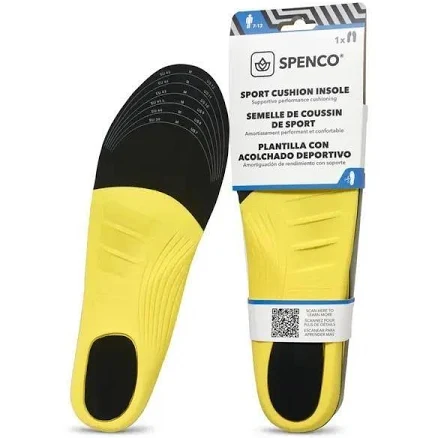
- Foam cushioning, textile upper
- We found no PFAS statement from the brand
- Formaldehyde / VOCs. Textile upper may contain formaldehyde-based finishes common in low-cost apparel…
4 hazards checked on this product, all on its full breakdown.
Find an alternative on Amazon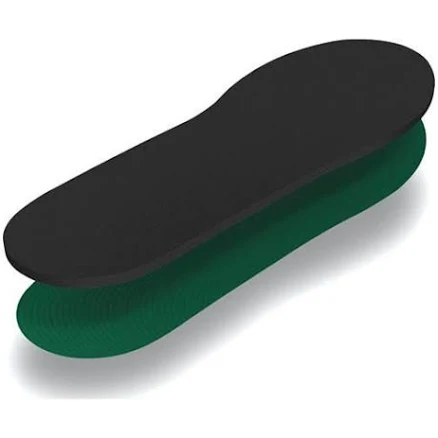
- Foam, rubber, textile composite insole
- We found no PFAS statement from the brand
- Foam degradation and microparticle shedding. Closed-cell foam insoles gradually compress and break down with…
3 hazards checked on this product, all on its full breakdown.
Find an alternative on Amazon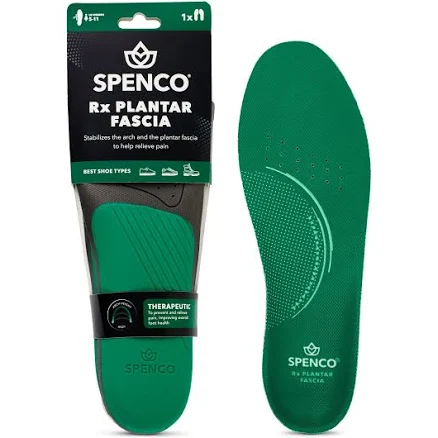
- Foam cushioning, textile upper, no disclosed coating
- We found no PFAS statement from the brand
- Volatile Organic Compounds (VOCs) from foam off-gassing, EVA and polyurethane foams can release trace VOCs…
3 hazards checked on this product, all on its full breakdown.
Find an alternative on Amazon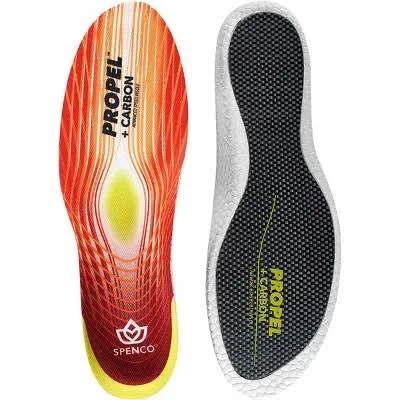
- Foam cushioning, carbon layer, textile top
- We found no PFAS statement from the brand
- Formaldehyde / VOCs. Polyester or cotton-blend textile tops may be treated with formaldehyde-based resins for…
5 hazards checked on this product, all on its full breakdown.
Find an alternative on Amazon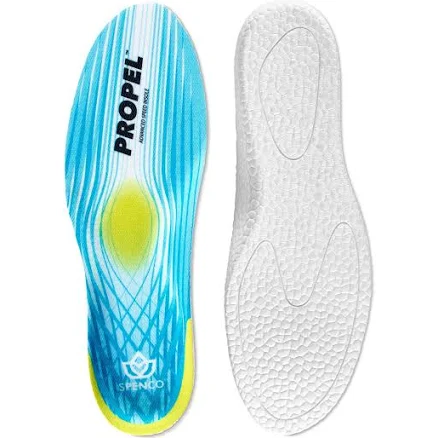
- foam cushioning, gel, fabric blend
- We found no PFAS statement from the brand
- Azo dyes in topsheet fabric. If the fabric blend contains synthetic dyes (common in polyester/nylon blends)…
4 hazards checked on this product, all on its full breakdown.
Find an alternative on Amazon
- foam cushioning, fabric cover
- We found no PFAS statement from the brand
- Heavy metals. Polyester fabric on the insole may be dyed, but dye exposure risk is minimal because contact is…
2 hazards checked on this product, all on its full breakdown.
Find an alternative on Amazon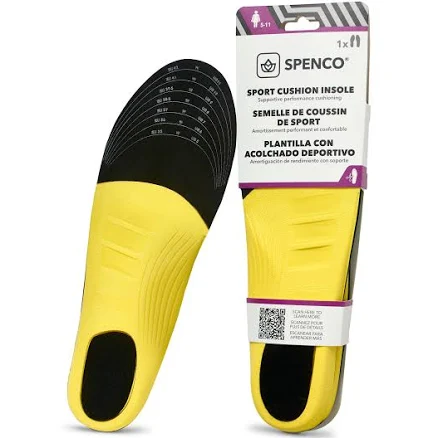
- Foam cushioning, textile upper cover
- We found no PFAS statement from the brand
- Foam off-gassing and volatile organic compounds (VOCs). New foam insoles may release mild VOCs (odor) during…
2 hazards checked on this product, all on its full breakdown.
Find an alternative on Amazon
- Gel cushioning with foam/textile upper
- We found no PFAS statement from the brand
- Foam degradation and microparticle shedding. Polyurethane and EVA foams naturally degrade with time and…
2 hazards checked on this product, all on its full breakdown.
Find an alternative on Amazon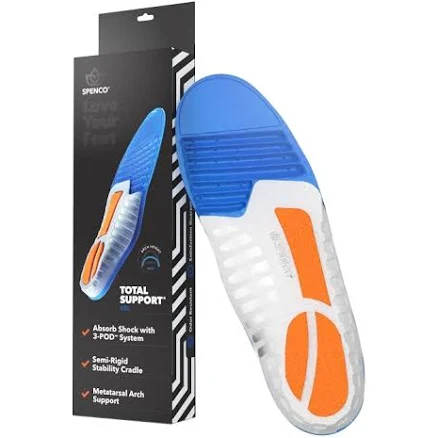
- Gel cushioning with foam base, materials not fully disclosed
- We found no PFAS statement from the brand
- Formaldehyde / VOCs. Foam-to-gel adhesion may involve formaldehyde-releasing binders common in cushioning…
2 hazards checked on this product, all on its full breakdown.
Find an alternative on Amazon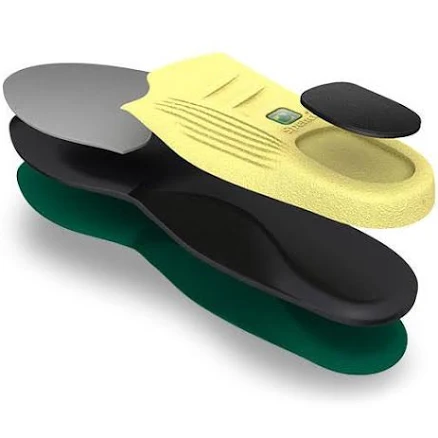
- Polysorb foam cushioning, composition not fully disclosed
- We found no PFAS statement from the brand
- Formaldehyde / VOCs. The polyester or nylon fabric bonded to Polysorb foam may contain formaldehyde-based…
4 hazards checked on this product, all on its full breakdown.
Find an alternative on AmazonSpenco and PFAS, common questions
- Does Spenco have PFAS?
- Spenco averages 65 out of 100 on PFAS Authority's PFAS and toxin screen across the 10 Spenco products graded as of October 2026, and none of them reach its 70 point pass mark. Grades are model-based estimates built from published materials, ingredients and disclosures, not lab tests.
- Is Spenco non-toxic?
- No Spenco product we graded reaches Good. The best of them is Insole, Spenco Sport Cushion Womens 5-11, Implus at 65/100.
- Which Spenco products should I avoid?
- The lowest-graded Spenco products we have scored are Spenco Polysorb Cross Trainer Insole, Spenco Gel Total Support Insoles, Spenco Gel Comfort Insoles. Each one links to the evidence behind its grade.
Every grade uses the same public rubric. How grades work →