Spenco · Synthetic Athletic Insoles & Orthotics
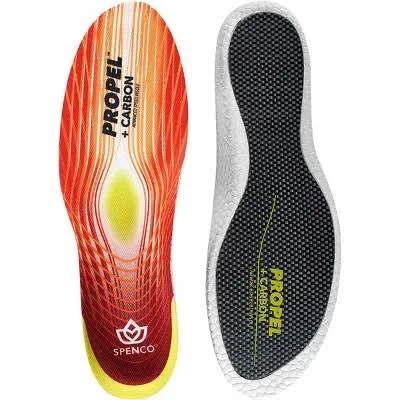
Spenco Propel + Carbon Performance Insoles
Lower concern; insole design lacks PFAS-typical coatings.
Spenco Propel + Carbon uses foam, a carbon layer, and textile without the water and stain treatments common in footwear. No brand PFAS disclosure or lab data confirm absence of hidden treatments.
Still want this one anyway? Check the price on Amazon. We’d swap it.
Material
Foam cushioning, carbon layer, textile top
Brand disclosure
Brand is silent on PFAS
Lab data
No public lab test
You may also be interested in
Top-graded picks in the categories readers replace first, every one scored on the same rubric.

- polypropylene filter housing, carbon/sediment cartridge
- We found no PFAS statement from the brand
- Bacterial growth in spent cartridges
3 hazards checked on this product, all on its full breakdown.

Aquasure
Premier Series 75 GPD Under Sink Reverse Osmosis Water Filtration System
- RO membrane, carbon filters, stainless steel housing
- We found no PFAS statement from the brand
- Bacterial and microbial growth in housing and filters
4 hazards checked on this product, all on its full breakdown.

Avocado
Vegan Mattress
- organic cotton, natural latex, coconut coir, recycled steel coils
- The brand calls it PFAS-free, which we have not verified
- Heavy metals
2 hazards checked on this product, all on its full breakdown.
What Spenco Propel + Carbon Performance Insoles is made of, ingredients and materials
Spenco Propel + Carbon insoles combine polyurethane or EVA foam cushioning with an activated carbon layer and a textile top surface. The foam provides shock absorption, while carbon is marketed for odor control via adsorption rather than chemical treatment. The textile backing is typically polyester or cotton blend. This construction avoids rigid ceramic, metal, or heavily coated surfaces, which reduces leaching risk compared to rigid footwear inserts.
What’s concerning
Category baseline
The starting point for this type of product, before anything specific to this product is counted.
No PFAS disclosure
No public statement from the brand about PFAS in this product.
Formaldehyde / VOCs
Polyester or cotton-blend textile tops may be treated with formaldehyde-based resins for wrinkle resistance or water resistance during manufacturing. No specific testing or disclosure is available for this product, but it is a known practice in mass-market insole production.
Source, ATSDR ↗Azo dyes in textile coloring
The textile surface is typically dyed; if synthetic azo dyes are used, they can release aromatic amines under sweat and friction. Spenco does not disclose dye chemistry, and the low-cost segment of the category often relies on azo chemistry.
Polyurethane foam degradation and off-gassing
Polyurethane foam can emit volatile organic compounds (VOCs) during initial use and over time as it breaks down. Activated carbon may partially absorb these, but no published data confirms this for this specific product. Ventilation during first wear reduces acute exposure.
Antimony in polyester textile backing
Polyester textiles sometimes use antimony trioxide as a catalyst or flame retardant. If the backing is 100% polyester, trace antimony is possible. Spenco does not declare antimony avoidance, and dermal transfer from insole textiles is considered low given limited skin contact in typical use.
Bacterial or fungal colonization of carbon and foam
The porous foam and carbon layer can harbor moisture and microorganisms if not dried regularly, especially in warm or humid conditions. This is a hygiene rather than toxicological hazard but is relevant to insole safety and comfort.
What’s reassuring
Base material not linked to PFAS
The main material recorded for this product is not one associated with PFAS.
How is this PFAS grade calculated?
The brand's record and disclosure
Spenco is an established footwear-care brand with no major product recalls or chemical disclosure controversies on public record. The company does not publish comprehensive materials transparency or third-party certifications (such as OEKO-TEX or bluesign) for this product line. No public statements address formaldehyde resins, azo dyes, or antimony content in manufacturing, which is typical for mass-market insole brands.
How it compares in its category
Insoles occupy a middle ground, closer to clothing in textile exposure but without the dyeing and finishing intensity of apparel. Spenco Propel + Carbon is conventional for the category; it lacks premium certifications seen in some eco-focused competitors but also lacks known problematic ingredients. Most mass-market insoles use similar polyurethane/EVA foam and carbon technology without incident reporting.
If you buy it
Wash textile surfaces occasionally in cool water to prevent dirt and sweat buildup that can harbor bacteria; do not soak or machine wash the entire insert. Replace every 6 to 12 months depending on activity level and wear, as foam compression reduces support over time. Store in a dry, well-ventilated space to prevent mold. Avoid exposing to direct heat (above 60C) or prolonged UV, which can degrade foam integrity.
What is not known about PFAS in this product?
- Basis
- Model estimate, 72% confidence, not a lab result
- Lab test
- None on record for this exact product
- Brand statement
- Spenco has made none
Formulations change between production runs, so check the current label. How we grade.
More synthetic athletic insoles & orthotics grades
How we score, every product runs through the same public 0-100 rubric based on materials, coatings, brand disclosure, lab findings, and recalls. See the full methodology → Spotted a mistake? Report an error.