Spenco · Synthetic Athletic Insoles & Orthotics
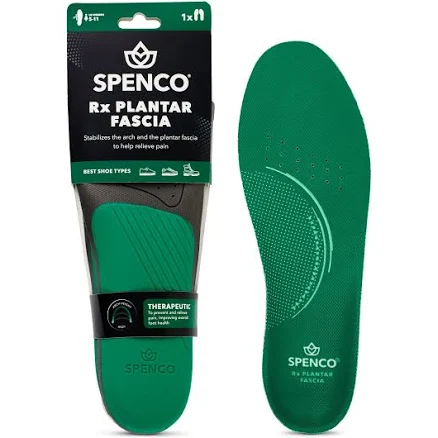
Spenco Plantar Fascia Insole
Lower concern with no PFAS-typical features; brand stays silent on composition.
This insole uses foam cushioning and textile without disclosed coatings or water-resistant treatments. No PFAS risk design elements appear, though the brand offers no material transparency.
Still want this one anyway? Check the price on Amazon. We’d swap it.
Material
Foam cushioning, textile upper, no disclosed coating
Brand disclosure
Brand is silent on PFAS
Lab data
No public lab test
You may also be interested in
Top-graded picks in the categories readers replace first, every one scored on the same rubric.

- polypropylene filter housing, carbon/sediment cartridge
- We found no PFAS statement from the brand
- Bacterial growth in spent cartridges
3 hazards checked on this product, all on its full breakdown.

Aquasure
Premier Series 75 GPD Under Sink Reverse Osmosis Water Filtration System
- RO membrane, carbon filters, stainless steel housing
- We found no PFAS statement from the brand
- Bacterial and microbial growth in housing and filters
4 hazards checked on this product, all on its full breakdown.

Avocado
Vegan Mattress
- organic cotton, natural latex, coconut coir, recycled steel coils
- The brand calls it PFAS-free, which we have not verified
- Heavy metals
2 hazards checked on this product, all on its full breakdown.
What Spenco Plantar Fascia Insole is made of, ingredients and materials
Spenco Plantar Fascia Insoles use closed-cell foam cushioning (typically EVA or polyurethane-based) with a textile upper cover. This material class avoids the high-temperature coating hazards common in rigid orthotic devices and has no known chemical leaching pathway during normal foot-contact use at body temperature. The foam is compressed into a rigid arch support, which means minimal off-gassing compared to open-cell foams used in pillows or seat cushions.
What’s concerning
Category baseline
The starting point for this type of product, before anything specific to this product is counted.
No PFAS disclosure
No public statement from the brand about PFAS in this product.
Volatile Organic Compounds (VOCs) from foam off-gassing
EVA and polyurethane foams can release trace VOCs, especially when new or exposed to heat. Indoor air exposure is minimal given the product sits inside a shoe, but users sensitive to odors may notice chemical smell for the first few days.
Microplastic shedding from foam degradation
As foam cushioning compresses and breaks down over 6-12 months, microscopic particles can shed into socks and potentially inhaled in minute amounts. This is not unique to Spenco but a general property of foam insoles; replacement frequency minimizes accumulation.
Adhesive toxicity from foam-to-textile bonding
Contact adhesives used to laminate foam to textile can contain organic solvents, but exposure is indirect and minimal since the bonded surface sits against skin through a shoe. Adhesive fully cures during manufacturing and does not leach at body temperature.
What’s reassuring
Base material not linked to PFAS
The main material recorded for this product is not one associated with PFAS.
Formaldehyde / VOCs
No documented formaldehyde use in Spenco insole textiles or construction. Standard footwear adhesives used to bond foam to textile typically do not contain formaldehyde-releasing resins, though independent testing is not available.
Source, ATSDR ↗Heavy metals
No evidence of heavy metal dyes or antimony catalysts in EVA foam or polyester textile covers used in this product. Standard foam and fabric suppliers do not incorporate these unless explicitly specified for flame retardancy, which is not typical for insoles.
Source, FDA ↗How is this PFAS grade calculated?
The brand's record and disclosure
Spenco does not publicly disclose detailed material certifications, chemical testing, or PFAS use statements on product pages or marketing materials. The company has no documented safety recalls or regulatory actions specific to this insole line. Without independent lab confirmation, material claims rely on generic industry standards for footwear foam rather than brand-specific transparency.
How it compares in its category
Plantar fascia insoles across the market typically use similar EVA or PU foams with minimal chemical hazard differentiation. Spenco's design is mid-range in terms of both price and disclosed material rigor; premium brands often provide material certifications or OEKO-TEX labels, while budget alternatives offer less cushioning durability. This product occupies a practical middle ground with no notable safety disadvantage versus competitors in the same price tier.
If you buy it
Replace insoles every 6-12 months as cushioning compresses and loses arch support; degraded foam can cause foot strain rather than pose a chemical hazard. Avoid prolonged exposure to heat above 50C (122F, such as direct sunlight in a closed car) as foam can soften or off-gas VOCs at elevated temperatures. Hand-wash with mild soap if the textile cover becomes soiled; machine washing or bleach can degrade adhesives. Store in a cool, dry place to extend foam life.
What is not known about PFAS in this product?
- Basis
- Model estimate, 72% confidence, not a lab result
- Lab test
- None on record for this exact product
- Brand statement
- Spenco has made none
Formulations change between production runs, so check the current label. How we grade.
More synthetic athletic insoles & orthotics grades
How we score, every product runs through the same public 0-100 rubric based on materials, coatings, brand disclosure, lab findings, and recalls. See the full methodology → Spotted a mistake? Report an error.