Spenco · Synthetic Athletic Insoles & Orthotics
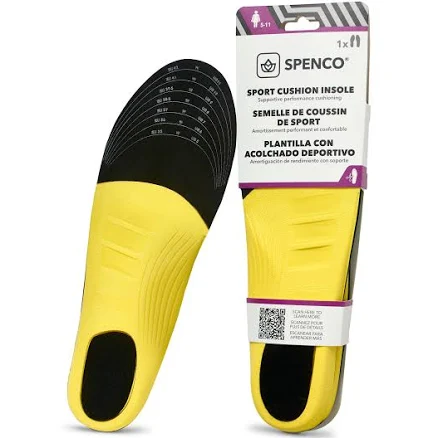
Spenco Trim To Fit Sport Cushion Insole
Lower concern; sport insole has no known PFAS-prone features.
Spenco Trim To Fit combines foam cushioning with a textile cover, materials that don't typically need PFAS. The brand discloses nothing about PFAS and no testing data exists.
Still want this one anyway? Check the price on Amazon. We’d swap it.
Material
Foam cushioning, textile upper cover
Brand disclosure
Brand is silent on PFAS
Lab data
No public lab test
You may also be interested in
Top-graded picks in the categories readers replace first, every one scored on the same rubric.

- polypropylene filter housing, carbon/sediment cartridge
- We found no PFAS statement from the brand
- Bacterial growth in spent cartridges
3 hazards checked on this product, all on its full breakdown.

Aquasure
Premier Series 75 GPD Under Sink Reverse Osmosis Water Filtration System
- RO membrane, carbon filters, stainless steel housing
- We found no PFAS statement from the brand
- Bacterial and microbial growth in housing and filters
4 hazards checked on this product, all on its full breakdown.

Avocado
Vegan Mattress
- organic cotton, natural latex, coconut coir, recycled steel coils
- The brand calls it PFAS-free, which we have not verified
- Heavy metals
2 hazards checked on this product, all on its full breakdown.
What Spenco Trim To Fit Sport Cushion Insole is made of, ingredients and materials
Spenco Trim To Fit Sport Cushion insoles are constructed from closed-cell foam (typically polyurethane or EVA) with a textile top cover. The foam provides shock absorption and comfort without relying on chemical flame retardants or heavy metal-laden coatings. The textile upper is a simple woven or knit fabric, not a treated or dyed component prone to formaldehyde resins or problematic azo dyes.
What’s concerning
Category baseline
The starting point for this type of product, before anything specific to this product is counted.
No PFAS disclosure
No public statement from the brand about PFAS in this product.
Foam off-gassing and volatile organic compounds (VOCs)
New foam insoles may release mild VOCs (odor) during the first few days or after heat-molding. This is typical for polyurethane foam and not unique to Spenco; airing out the product before use minimizes perception of odor.
Degradation and microparticle shedding from foam
Over time, foam insoles naturally compress and may shed fine particles into socks or footwear. This is physical, not chemical, degradation; regular replacement and sock use mitigate direct skin contact.
What’s reassuring
Base material not linked to PFAS
The main material recorded for this product is not one associated with PFAS.
Formaldehyde / VOCs
Spenco insole top covers are simple knit or woven fabrics without evidence of formaldehyde-releasing finishes or anti-wrinkle treatments; no recalls or testing reports suggest this hazard.
Source, ATSDR ↗Azo dyes and colorant toxicity
The textile upper is typically minimally dyed (black, grey, or natural tones) and not marketed as fashion apparel; no public warnings of restricted azo dyes or heavy metal pigments in Spenco insoles.
Antimony in polyester or synthetic fibers
Spenco insole foams are typically polyurethane or EVA, not polyester; textile covers are minor components without evidence of antimony-catalyzed polyester. Antimony risk is very low in this product type.
How is this PFAS grade calculated?
The brand's record and disclosure
Spenco is a medical-grade orthopedic footwear and insole brand with a long market history (founded 1960s) and no documented safety recalls or chemical disclosure violations on record. The company does not prominently advertise chemical certifications (e.g., OEKO-TEX, bluesign) but sells primarily through reputable healthcare and sporting goods channels. No known controversies regarding formaldehyde, heavy metals, or restricted substances in their insole line exist in public databases.
How it compares in its category
Sport insoles in this category (foam-based, heat-moldable) generally pose lower chemical risk than cushioned athletic shoes (which may have glues, dyes, or treated fabrics). Spenco's simple foam-and-fabric construction is more chemically conservative than gel-filled or silicone-based alternatives. No antimony is expected in a polyurethane foam insole, and textile covers are typically untreated or minimally dyed.
If you buy it
Trim-to-fit insoles are designed for single-user fitting and reshaping via oven heat (follow package instructions). Wash the textile cover periodically in cool water; avoid prolonged soaking or machine drying to preserve foam integrity. Replace when cushioning visibly compresses or flattens, typically after 12-18 months of regular wear. Store in a cool, dry space away from direct heat or sunlight to slow foam degradation.
What is not known about PFAS in this product?
- Basis
- Model estimate, 72% confidence, not a lab result
- Lab test
- None on record for this exact product
- Brand statement
- Spenco has made none
Formulations change between production runs, so check the current label. How we grade.
More synthetic athletic insoles & orthotics grades
How we score, every product runs through the same public 0-100 rubric based on materials, coatings, brand disclosure, lab findings, and recalls. See the full methodology → Spotted a mistake? Report an error.