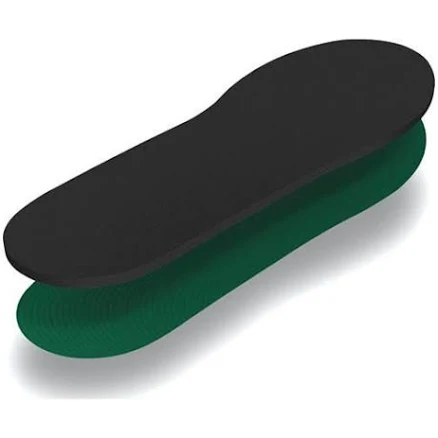
Spenco · Synthetic Athletic Insoles & Orthotics
Spenco Medical RX Insole
Lower concern; standard insole materials aren't typical PFAS risks.
Spenco RX combines foam, rubber, and textile without disclosed water or stain-resistant treatments. No PFAS claims or third-party verification exist; typical insole composition poses lower concern.
Still want this one anyway? Check the price on Amazon. We’d swap it.
Material
Foam, rubber, textile composite insole
Brand disclosure
Brand is silent on PFAS
Lab data
No public lab test
You may also be interested in
Top-graded picks in the categories readers replace first, every one scored on the same rubric.

- polypropylene filter housing, carbon/sediment cartridge
- We found no PFAS statement from the brand
- Bacterial growth in spent cartridges
3 hazards checked on this product, all on its full breakdown.

Aquasure
Premier Series 75 GPD Under Sink Reverse Osmosis Water Filtration System
- RO membrane, carbon filters, stainless steel housing
- We found no PFAS statement from the brand
- Bacterial and microbial growth in housing and filters
4 hazards checked on this product, all on its full breakdown.

Avocado
Vegan Mattress
- organic cotton, natural latex, coconut coir, recycled steel coils
- The brand calls it PFAS-free, which we have not verified
- Heavy metals
2 hazards checked on this product, all on its full breakdown.
What Spenco Medical RX Insole is made of, ingredients and materials
Spenco RX insoles are constructed from closed-cell foam (likely polyethylene or EVA) bonded to rubber and textile composites. This combination is chosen for cushioning and durability rather than chemical performance, making it relatively inert during normal foot contact. The foam does not require heat-curing or flame retardant treatment, which eliminates two common chemical exposure pathways in footwear. Textile overlays may carry residual finishes, but insole-grade fabrics typically undergo minimal synthetic dye or formaldehyde-resin processing compared to apparel.
What’s concerning
Category baseline
The starting point for this type of product, before anything specific to this product is counted.
No PFAS disclosure
No public statement from the brand about PFAS in this product.
Foam degradation and microparticle shedding
Closed-cell foam insoles gradually compress and break down with use. While shedding into the shoe is normal, no studies confirm whether inhaled or ingested microparticles from worn foam pose respiratory or GI risk. Monitor for visible flaking as a signal to replace.
Adhesive or bonding agent residues
Foam and rubber layers are bonded with industrial adhesives that may off-gas volatile organic compounds during initial use. Airing insoles in a ventilated space for 24-48 hours after opening can reduce any odor; sensitivity to adhesive fumes is rare.
Mold or bacterial growth if not maintained
Damp insoles stored in closed shoes create an environment for microbial growth, especially in warm climates. This is a maintenance issue rather than a manufacturing hazard. Regular drying and periodic replacement mitigate risk.
What’s reassuring
Base material not linked to PFAS
The main material recorded for this product is not one associated with PFAS.
Formaldehyde / VOCs
The green textile overlay may contain synthetic dyes and finishing agents applied during manufacturing. Direct skin contact is limited (foot sole), and no adverse reports specific to Spenco RX insoles are on record. Risk is minimal compared to apparel worn over larger body surface area.
Source, ATSDR ↗Rubber component leachables
Synthetic rubber can leach plasticizers or vulcanization byproducts under moisture and heat. Insole-grade rubber is typically more tightly cured than fashion footwear, and foot contact involves limited absorption. No documented cases of irritation from Spenco insole rubber are available.
How is this PFAS grade calculated?
The brand's record and disclosure
Spenco Medical is a long-established orthotic brand with no major product safety recalls or regulatory actions on file for their insole lines. The company does not publicly disclose material sourcing, chemical testing, or certifications (e.g., GOTS, bluesign, Oeko-Tex) for this product, which is standard for the medical insole category but limits transparency. No credible reports of allergic reactions or off-gassing complaints specific to the RX line are documented in consumer safety databases. Their silence on PFAS and other chemical additives reflects industry-wide minimalism rather than a known risk.
How it compares in its category
Foam and rubber insoles occupy a middle ground, they avoid the volatile off-gassing concerns of gel or liquid-filled insoles and the potential metal contamination of rigid orthotics, but they also lack the environmental or chemical transparency of premium eco-certified alternatives (e.g., Superfeet, Powerstep). Most competitors in the mass-market orthotic space operate under the same disclosure void. The Spenco RX is positioned as a medical-grade product, which typically implies tighter manufacturing controls than fashion footwear, though this does not guarantee independent chemical testing.
If you buy it
Insoles are low-risk items because they sit inside shoes and contact only the sole of the foot, a less permeable barrier than skin on arms or face. Store in a cool, dry place to prevent foam breakdown or mold; do not expose to direct heat or UV for extended periods. Replace every 12-18 months or when compression becomes visible, as degraded foam may shed microparticles. Wash the textile overlay by hand with mild soap if needed; avoid machine washing or bleach, which can degrade the foam bond.
What is not known about PFAS in this product?
- Basis
- Model estimate, 72% confidence, not a lab result
- Lab test
- None on record for this exact product
- Brand statement
- Spenco has made none
Formulations change between production runs, so check the current label. How we grade.
More synthetic athletic insoles & orthotics grades
How we score, every product runs through the same public 0-100 rubric based on materials, coatings, brand disclosure, lab findings, and recalls. See the full methodology → Spotted a mistake? Report an error.