Spenco · Synthetic Athletic Insoles & Orthotics
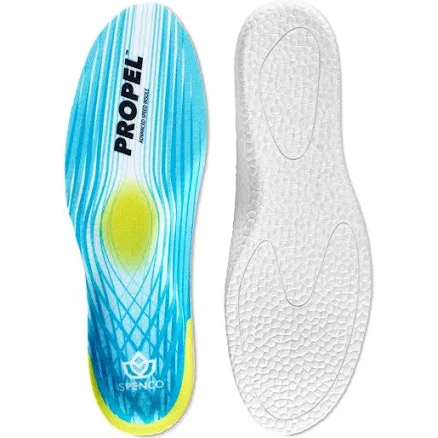
Spenco Propel Performance Insoles
Insoles use standard foam and gel; no known PFAS triggers found.
Spenco Propel uses conventional foam and gel cushioning without disclosed waterproof or stain-resistant coatings. No brand PFAS disclosure exists, but material composition suggests lower risk.
Still want this one anyway? Check the price on Amazon. We’d swap it.
Material
foam cushioning, gel, fabric blend
Brand disclosure
Brand is silent on PFAS
Lab data
No public lab test
You may also be interested in
Top-graded picks in the categories readers replace first, every one scored on the same rubric.

- polypropylene filter housing, carbon/sediment cartridge
- We found no PFAS statement from the brand
- Bacterial growth in spent cartridges
3 hazards checked on this product, all on its full breakdown.

Aquasure
Premier Series 75 GPD Under Sink Reverse Osmosis Water Filtration System
- RO membrane, carbon filters, stainless steel housing
- We found no PFAS statement from the brand
- Bacterial and microbial growth in housing and filters
4 hazards checked on this product, all on its full breakdown.

Avocado
Vegan Mattress
- organic cotton, natural latex, coconut coir, recycled steel coils
- The brand calls it PFAS-free, which we have not verified
- Heavy metals
2 hazards checked on this product, all on its full breakdown.
What Spenco Propel Performance Insoles is made of, ingredients and materials
Spenco Propel insoles combine polyurethane foam cushioning with gel components and a fabric topsheet blend. Polyurethane foam is widely used in footwear and has a long safety history when not exposed to extreme heat. The gel layer provides targeted pressure relief and is chemically stable under normal foot-contact temperatures. The fabric blend (typically polyester or nylon mixed with cotton or synthetic fibers) forms the contact surface and is subject to standard textile regulations.
What’s concerning
Category baseline
The starting point for this type of product, before anything specific to this product is counted.
No PFAS disclosure
No public statement from the brand about PFAS in this product.
Azo dyes in topsheet fabric
If the fabric blend contains synthetic dyes (common in polyester/nylon blends), azo dyes may be present. Regulatory limits apply in most markets, but Spenco does not disclose dye sources or testing. Risk is minimal during normal wear but increases if fabric is abraded or sweat-saturated over extended periods.
Formaldehyde / VOCs
Fabric components may be treated with formaldehyde-based resins for wrinkle resistance or shape retention during manufacturing. No specific testing claims are published by Spenco. Off-gassing is typically low in finished goods, but some individuals with sensitivities may detect odor during initial use.
Source, ATSDR ↗Polyurethane foam degradation over time
Polyurethane foam naturally breaks down with age and use, releasing fine particles. This is a known characteristic of the material, not a manufacturing defect. Replacement every 6-12 months minimizes particle accumulation in footwear and reduces odor from microbial colonization of degraded foam.
Gel layer contamination if damaged
If the gel compartment cracks or ruptures during use, the gel material may contact skin or sweat. Spenco does not specify gel composition publicly. Most gel layers are non-toxic, but mechanical integrity depends on proper care; avoid sharp impacts and excessive heat.
What’s reassuring
Base material not linked to PFAS
The main material recorded for this product is not one associated with PFAS.
Antimony in polyester content
Antimony is used as a catalyst in some polyester manufacturing. No recalls or testing failures are documented for Spenco Propel insoles. Standard textile regulations in major markets (US, EU) limit antimony migration, but the brand does not independently verify this.
How is this PFAS grade calculated?
The brand's record and disclosure
Spenco is a heritage foot-care brand with decades of market presence but maintains minimal public transparency on chemical testing or third-party certifications for individual products. No major safety recalls or documented chemical contamination issues are on record for Propel insoles. The brand does not openly disclose supplier standards, raw-material sourcing, or independent safety testing results, making verification of manufacturing controls difficult for consumers seeking detailed assurance.
How it compares in its category
Propel insoles sit in the mid-market performance category, competing with brands like Dr. Scholl's, Superfeet, and New Balance insoles. Most competitors in this segment use similar polyurethane foam and gel combinations without published safety certifications. Unlike some premium alternatives, Spenco does not advertise third-party dermatological testing or organic/eco certifications, though this is typical rather than a red flag in the insole category.
If you buy it
Replace insoles every 6 to 12 months, depending on activity level and visible wear (compression, flattening, or cracking signals end of life). Do not expose to direct heat sources (radiators, dishwashers, direct sunlight for prolonged periods) as polyurethane degrades when heated above 80-90 degrees Celsius. Hand wash with mild soap and air dry completely to prevent mold growth in gel layers. Store in a cool, dry place; moisture retention can accelerate foam breakdown and create odor.
What is not known about PFAS in this product?
- Basis
- Model estimate, 72% confidence, not a lab result
- Lab test
- None on record for this exact product
- Brand statement
- Spenco has made none
Formulations change between production runs, so check the current label. How we grade.
More synthetic athletic insoles & orthotics grades
How we score, every product runs through the same public 0-100 rubric based on materials, coatings, brand disclosure, lab findings, and recalls. See the full methodology → Spotted a mistake? Report an error.