Spenco · Synthetic Athletic Insoles & Orthotics
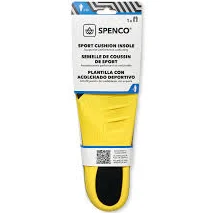
Spenco Sport Cushion Insole Trim-to-Fit
Foam and fabric materials suggest lower risk, but brand offers no PFAS testing data.
These foam and fabric insoles don't inherently require PFAS chemicals. Spenco hasn't disclosed whether their product contains PFAS or has been tested.
Still want this one anyway? Check the price on Amazon. We’d swap it.
Material
foam cushioning, fabric cover
Brand disclosure
Brand is silent on PFAS
Lab data
No public lab test
You may also be interested in
Top-graded picks in the categories readers replace first, every one scored on the same rubric.

Aqua Pure
3M Aqua-Pure AP802B Whole House Filter Housing
- polypropylene filter housing, carbon/sediment cartridge
- We found no PFAS statement from the brand
- Bacterial growth in spent cartridges
3 hazards checked on this product. See all of them.

Aquasure
Premier Series 75 GPD Under Sink Reverse Osmosis Water Filtration System
- RO membrane, carbon filters, stainless steel housing
- We found no PFAS statement from the brand
- Bacterial and microbial growth in housing and filters
4 hazards checked on this product. See all of them.

Avocado
Vegan Mattress
- organic cotton, natural latex, coconut coir, recycled steel coils
- The brand calls it PFAS-free, which we have not verified
- Heavy metals
2 hazards checked on this product. See all of them.
What Spenco Sport Cushion Insole Trim-to-Fit is made of, ingredients and materials
Spenco Sport Cushion insoles use polyurethane foam cushioning topped with a textile cover, typically polyester or polyester-blend fabric. Polyurethane foam itself is chemically stable once cured and does not off-gas formaldehyde or volatile organic compounds (VOCs) at levels of concern in normal room-temperature use. The fabric cover may undergo finishing treatments, but insole textiles face lower chemical burden than apparel since they contact skin briefly and indirectly, not inhaled or absorbed significantly.
What’s concerning
Category baseline
The starting point for this type of product, before anything specific to this product is counted.
No PFAS disclosure
No public statement from the brand about PFAS in this product.
Heavy metals
Polyester fabric on the insole may be dyed, but dye exposure risk is minimal because contact is brief and indirect (sock and skin barrier), and the dyed area is small relative to apparel. No specific testing or complaints are documented for this product.
Source, FDA ↗Polyurethane foam degradation and particle release
Polyurethane foam can degrade if exposed to heat, moisture, or prolonged compression, potentially releasing small particles. This is a wear-and-tear issue rather than a manufacturing defect, managed by replacing insoles regularly.
What’s reassuring
Base material not linked to PFAS
The main material recorded for this product is not one associated with PFAS.
Formaldehyde / VOCs
Insole fabric covers are not treated with formaldehyde-releasing resins as a standard practice in this product category. No recalls or complaints on record for Spenco insoles.
Source, ATSDR ↗Adhesive residues if glued construction
Spenco Sport Cushion insoles are trim-to-fit and designed to rest loose in shoes without adhesive. No adhesive-related hazards are documented for this line.
Antimony in synthetic fibers
Antimony is a catalyst used in polyester production but migrates minimally from finished fabrics under normal wear. Insole fabric contact is brief and non-occlusive, presenting negligible exposure risk.
The full breakdown
The brand's record and disclosure
Spenco is a long-established orthopedic footwear brand with no public recalls or safety controversies on record for chemical contamination in insoles. The company does not publish detailed material safety disclosures or PFAS-specific statements, which is standard industry practice for small accessories rather than evidence of hidden risk. No third-party certifications (such as OEKO-TEX or similar textile safety marks) have been publicly advertised for this line.
How it compares in its category
Cushioned insoles and shoe inserts are among the lowest-risk footwear accessories from a chemical perspective because they are trim-fit, non-adhesive, and removable, limiting contact time and pathway. Competitors like Dr. Scholl's and Superfeet use similar polyurethane foam constructions with comparable chemical profiles. The fabric cover on Spenco is thinner and less dyed than apparel textiles, further reducing exposure to azo dye or formaldehyde resin finishes.
If you buy it
Store insoles in a dry environment away from direct heat or sunlight to preserve foam integrity and prevent any potential degradation. Wash the fabric cover with mild soap and water if needed, but avoid machine washing or soaking, which can degrade adhesives or foam. Replace insoles every 6-12 months depending on wear, as cushioning naturally compresses over time and loses support. No special ventilation or handling precautions are necessary during normal use.
What we don’t know
- Basis
- Model estimate, 72% confidence, not a lab result
- Lab test
- None on record for this exact product
- Brand statement
- Spenco has made none
Formulations change between production runs, so check the current label. How we grade.
More synthetic athletic insoles & orthotics grades
How we score, every product runs through the same public 0-100 rubric based on materials, coatings, brand disclosure, lab findings, and recalls. See the full methodology → Spotted a mistake? Report an error.