Adidas · Running & Athletic Shoes
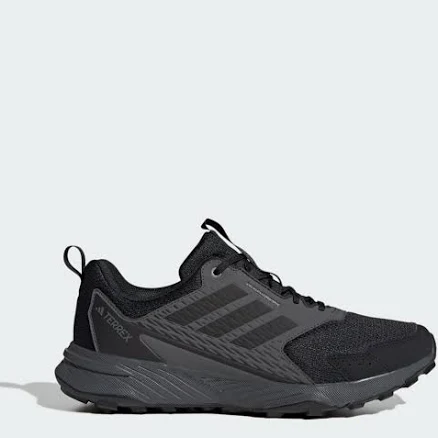
adidas Men's Terrex Tracefinder Trail Running Shoes
Waterproofed trail shoes with no PFAS disclosure; skip if concerned.
Adidas Terrex Tracefinder uses water-repellent coatings typical of trail shoes, but brand discloses nothing about PFAS content. Unknown if water-repellent coating uses fluorine-based compounds.
Still want this one anyway? Check the price on Amazon. We’d swap it.
Material
Synthetic mesh, foam, rubber sole with water-repellent treatment
Lab data
No public lab test
You may also be interested in
Top-graded picks in the categories readers replace first, every one scored on the same rubric.

- polypropylene filter housing, carbon/sediment cartridge
- We found no PFAS statement from the brand
- Bacterial growth in spent cartridges
3 hazards checked on this product, all on its full breakdown.

Aquasure
Premier Series 75 GPD Under Sink Reverse Osmosis Water Filtration System
- RO membrane, carbon filters, stainless steel housing
- We found no PFAS statement from the brand
- Bacterial and microbial growth in housing and filters
4 hazards checked on this product, all on its full breakdown.

Avocado
Vegan Mattress
- organic cotton, natural latex, coconut coir, recycled steel coils
- The brand calls it PFAS-free, which we have not verified
- Heavy metals
2 hazards checked on this product, all on its full breakdown.
What adidas Men's Terrex Running Shoes is made of, ingredients and materials
The Terrex Tracefinder uses synthetic mesh uppers, cushioned foam midsole, and rubber outsole. The water-repellent treatment applied to the mesh and fabric is not specified by Adidas; in trail footwear, these treatments are commonly PFAS-based fluorocarbon compounds that repel water and stains. Synthetic mesh itself (polyester or polyamide) does not inherently leach chemicals under normal wearing conditions, but the finish layer is the primary chemical exposure point.
What’s concerning
Waterproof / stain-resistant treatment
Water-repellent coating treatments have historically used PFAS.
Category baseline
The starting point for this type of product, before anything specific to this product is counted.
No PFAS disclosure
No public statement from the brand about PFAS in this product.
Volatile organic compounds (VOCs) from foam and adhesives
Foam midsoles and adhesives used in footwear assembly can off-gas VOCs during the first weeks of wear. This is not unique to Adidas and is generally mild and time-limited; airing shoes before first wear reduces exposure.
Microplastic shedding from sole abrasion
Rubber and synthetic foam soles shed microparticles during wear; this is an environmental and indirect ingestion concern, not an acute toxicity hazard to the wearer. Adidas has not published data specific to the Terrex Tracefinder sole composition or wear durability.
What’s reassuring
Azo dyes in synthetic textiles
Adidas implements restricted substance lists for some product lines; no specific azo-dye violations or recalls are on record for the Terrex Tracefinder. Synthetic mesh and foam are not typically sources of problematic azo dyes if colorants comply with EU or US apparel standards.
Antimony in polyester components
Antimony is a catalyst in polyester synthesis; residual antimony in mesh fabric is typically below 100 ppm (safe range). No product-specific or brand-specific contamination has been reported for Adidas footwear.
How is this PFAS grade calculated?
The brand's record and disclosure
Adidas has not published a comprehensive banned-substances list or PFAS phase-out commitment for footwear as of public record. The company does not disclose water-repellent chemistry on product labels or technical specs. This silence is notable in a market where competitors (Salomon, ASICS) have begun disclosing or phasing fluorinated repellents. Adidas has faced scrutiny on textile hazards but has not formalized public restrictions on PFAS in apparel and footwear.
How it compares in its category
Most commercial trail running shoes under $150 use water-repellent finishes; few disclose whether they are PFAS or silicone based. Adidas's lack of transparency places it in a crowded middle ground. Brands offering PFAS-free or clearly labeled repellent alternatives (e.g., some Salomon and Keen models) are available at similar price points. Standard polyester mesh shoes without water treatment exist but sacrifice on-trail performance and mud shedding.
If you buy it
Wear the shoes as normal footwear; avoid prolonged heat exposure (do not machine-wash hot water or tumble-dry). Synthetic mesh does not require special care; mild soap and air drying preserve the upper. The water repellent will degrade over 12-18 months of regular use, at which point water penetration increases but chemical leaching risk does not. Replace when sole tread is worn or upper structural failure occurs, not due to chemical concern alone.
What is not known about PFAS in this product?
- Basis
- Model estimate, 35% confidence, not a lab result
- Lab test
- None on record for this exact product
- Brand statement
- Adidas has made a specific claim
Formulations change between production runs, so check the current label. How we grade.
What are the PFAS-free alternatives to adidas Men's Terrex Tracefinder Trail Running Shoes?
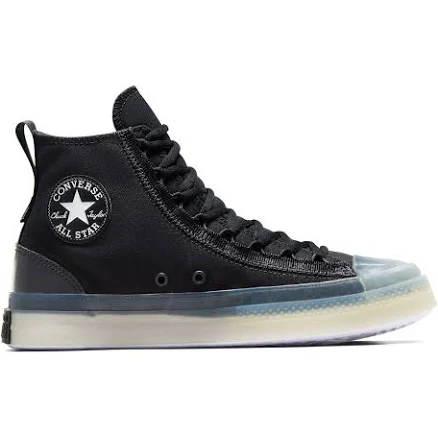
- Canvas upper, rubber sole
- We found no PFAS statement from the brand
- Azo dyes in canvas
2 hazards checked on this product, all on its full breakdown.
Find an alternative on Amazon
- Canvas, rubber sole
- We found no PFAS statement from the brand
- Azo dyes and synthetic dyes
4 hazards checked on this product, all on its full breakdown.
Find an alternative on Amazon
- Mesh upper, Fresh Foam midsole, rubber outsole
- We found no PFAS statement from the brand
- Azo dyes and color-based toxins
2 hazards checked on this product, all on its full breakdown.
Find an alternative on AmazonMore running & athletic shoes grades
How we score, every product runs through the same public 0-100 rubric based on materials, coatings, brand disclosure, lab findings, and recalls. See the full methodology → Spotted a mistake? Report an error.