
Aerie Wide Strap Voop Bikini Top
Lower concern, standard swimwear without known PFAS triggers, but no brand transparency.
This bikini top is a stretch nylon-elastane blend with no apparent water-repellent or stain-resistant finish, lowering PFAS risk. The brand makes no public PFAS claims.
The better-graded swap
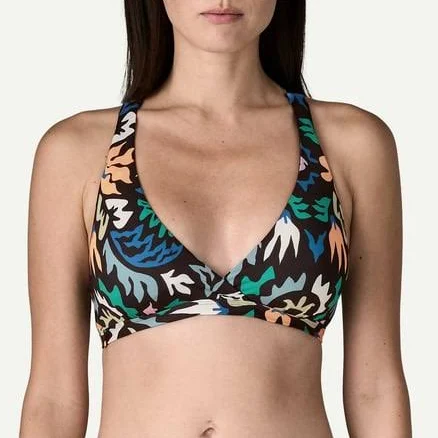
Patagonia
Patagonia Women's Bottom Turn Racerback Bikini Top
90/100 safety
Same rubric that flunked this product. The swap earned Excellent.
Still want this one anyway? Check the price on Amazon. We’d swap it.
Material
nylon/polyamide blend with elastane
Brand disclosure
Brand is silent on PFAS
Lab data
No public lab test
You may also be interested in
Top-graded picks in the categories readers replace first, every one scored on the same rubric.

- polypropylene filter housing, carbon/sediment cartridge
- We found no PFAS statement from the brand
- Bacterial growth in spent cartridges
3 hazards checked on this product, all on its full breakdown.

Aquasure
Premier Series 75 GPD Under Sink Reverse Osmosis Water Filtration System
- RO membrane, carbon filters, stainless steel housing
- We found no PFAS statement from the brand
- Bacterial and microbial growth in housing and filters
4 hazards checked on this product, all on its full breakdown.

Avocado
Vegan Mattress
- organic cotton, natural latex, coconut coir, recycled steel coils
- The brand calls it PFAS-free, which we have not verified
- Heavy metals
2 hazards checked on this product, all on its full breakdown.
What Aerie Wide Strap Voop Bikini Top is made of, ingredients and materials
This bikini top is nylon (polyamide) blended with elastane (spandex), a standard formulation for swimwear because nylon resists salt water and chlorine better than cotton, and elastane provides stretch and recovery. Nylon itself is a synthetic polymer with no known leaching risk in normal use; the hazard profile depends on dyes, finishes, and how elastane is stabilized. The wide strap design does not introduce additional chemical risks compared to standard bikini tops.
What’s concerning
Category baseline
The starting point for this type of product, before anything specific to this product is counted.
No PFAS disclosure
No public statement from the brand about PFAS in this product.
Azo dyes in nylon and elastane
Nylon is conventionally dyed using azo dyes, some of which can break down under heat or sweat and release aromatic amines linked to skin sensitization and allergic contact dermatitis. Aerie has not disclosed dye standards or certifications; no recall or adverse event data is on record for this product, but the risk is present in untested nylon swimwear.
Elastane (spandex) stabilizers and finish degradation
Elastane is stabilized with metals (often copper or zinc complexes) and UV absorbers to prevent yellowing and loss of elasticity. These additives are generally bound and do not leach in normal use, but chlorine and salt water can gradually degrade the elastane matrix over multiple seasons, potentially releasing trace additives. No adverse health effects have been documented from Aerie swimwear.
Microplastics
Nylon-elastane blends shed microfibers when laundered or worn, especially in the early life of the garment. These microplastics enter aquatic ecosystems and are not a direct consumer health hazard, but represent an environmental concern relevant to swimwear durability and disposal choices.
Source, EPA ↗What’s reassuring
Base material not linked to PFAS
The main material recorded for this product is not one associated with PFAS.
Formaldehyde / VOCs
Modern nylon swimwear rarely requires formaldehyde-based finishes (common in cotton apparel for wrinkle resistance). Aerie does not disclose finish chemistry, but nylon's inherent properties typically do not require such resins, making this a low-probability hazard for this product category.
Source, ATSDR ↗Heavy metals
Conventional reactive and disperse dyes used on nylon may contain trace metals (cadmium, lead, chromium) as processing residues, but established regulatory limits in the EU and most brands keep levels below skin contact thresholds. No specific testing data exists for Aerie bikini tops, and no adverse events are documented.
Source, FDA ↗How is this PFAS grade calculated?
The brand's record and disclosure
Aerie (American Eagle's activewear brand) has not published detailed chemical disclosures or PFAS testing results for swimwear. The brand does not hold third-party certifications such as OEKO-TEX or Bluesign that would verify absence of restricted substances. Aerie has faced no documented recalls or chemical safety controversies for this product line. Their silence on PFAS and restricted dyes is consistent with most mainstream apparel brands but represents a transparency gap.
How it compares in its category
Nylon-elastane blends are the industry standard for affordable, durable swimwear; this product is unremarkable in composition relative to competitors like Speedo, Target, or Amazon Essentials swimwear. Certified sustainable brands (e.g., Patagonia, Girlfriend Collective) offer similar materials with third-party verification of dye and finish safety, though at higher price. Without independent testing on this specific product, it sits in the middle of the risk spectrum, lower than vintage or unknownbrand swimwear, but unverified versus certified alternatives.
If you buy it
Rinse in fresh water immediately after saltwater or chlorine exposure to reduce dye bleeding and finish degradation. Wash in cool water with mild detergent; avoid bleach and fabric softeners, which can degrade elastane and accelerate any finish breakdown. Air dry away from direct heat and sunlight to prolong elastane elasticity. Replace after 1-2 seasons of regular use (roughly 50-80 wears) when elastane loses recovery; degraded elastane does not pose a known chemical hazard but loses function. If you have sensitive skin, consider a test patch given the lack of full ingredient transparency.
What is not known about PFAS in this product?
- Basis
- Model estimate, 72% confidence, not a lab result
- Lab test
- None on record for this exact product
- Brand statement
- Aerie has made none
Formulations change between production runs, so check the current label. How we grade.
What are the PFAS-free alternatives to Aerie Wide Strap Voop Bikini Top?
- Nylon/polyester blend with elastane (standard swimwear)
- The brand calls it PFAS-free, which we have not verified
- Elastane (spandex) degradation under heat or chlorine
More swimwear grades
How we score, every product runs through the same public 0-100 rubric based on materials, coatings, brand disclosure, lab findings, and recalls. See the full methodology → Spotted a mistake? Report an error.