iSpring · Under-Sink RO Systems
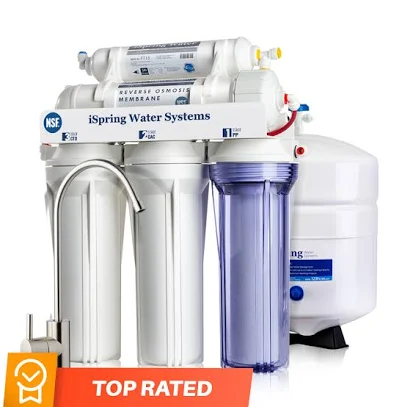
ISPRING RCC7 5-Stage Under Sink Reverse Osmosis Drinking Water Filtration System
Lower concern for PFAS; standard RO filters don't require chemical coatings, but brand makes no PFAS commitment.
This iSpring RCC7 uses conventional reverse osmosis and activated carbon, materials that typically don't require PFAS treatments. The brand offers no public PFAS disclosure or third-party testing.
We flunk more products than we pass. This one earned its grade. How we grade
Material
activated carbon & RO membrane filters, polypropylene housing
Brand disclosure
Brand is silent on PFAS
Lab data
No public lab test
You may also be interested in
Top-graded picks in the categories readers replace first, every one scored on the same rubric.

- polypropylene filter housing, carbon/sediment cartridge
- We found no PFAS statement from the brand
- Bacterial growth in spent cartridges
3 hazards checked on this product, all on its full breakdown.

Avocado
Vegan Mattress
- organic cotton, natural latex, coconut coir, recycled steel coils
- The brand calls it PFAS-free, which we have not verified
- Heavy metals
2 hazards checked on this product, all on its full breakdown.

- polyurethane foam
- We found no PFAS statement from the brand
- Volatile Organic Compound (VOC) Off-Gassing
4 hazards checked on this product, all on its full breakdown.
What ISPRING RCC7 5-Stage Under Sink System is made of, ingredients and materials
The RCC7 housing is polypropylene (PP), a stable plastic that does not leach BPA or phthalates under room-temperature water flow. The filtration stages use activated carbon cartridges and a thin-film composite RO membrane, neither of which requires chemical binders or coatings that would release hazardous volatiles. PP has not demonstrated reactivity with potable water at normal operating pressures and temperatures in documented use.
What’s concerning
No PFAS disclosure
No public statement from the brand about PFAS in this product.
Bacterial growth in unmaintained filters
Activated carbon cartridges can harbor biofilm if not replaced on schedule, particularly if water sits in the system for extended periods. This is a use-dependent hazard rather than a material defect; proper maintenance eliminates the risk.
RO membrane rupture and loss of filtration function
Membrane integrity is the critical barrier for contaminant removal. A ruptured membrane (from pressure spikes or age) will not be visible; the system will appear to function normally but filtration will fail. No chemical leaching from the membrane itself is documented.
Installation leaks or cross-contamination
Improper connection to existing plumbing or failure to isolate the tank from contaminated source water can allow bypass. This is an installation and maintenance issue, not a material hazard inherent to the product.
What’s reassuring
Base material not linked to PFAS
The main material recorded for this product is not one associated with PFAS.
Polypropylene housing degradation under pressure or heat
PP housings are rated for normal household water pressure. No documented cases of iSpring RCC7 housing rupture or leaching from material failure are on record. Exceeding rated pressure or exposure to heat above 120°F could theoretically compromise structural integrity.
Lead
Depends entirely on proper filter installation, cartridge seating, and maintenance. The RCC7's multi-stage design (sediment, carbon, RO membrane, carbon, polishing) is standard and adequate for municipal or well water. No product-specific failure mode is documented.
Source, ATSDR ↗How is this PFAS grade calculated?
The brand's record and disclosure
iSpring does not publish PFAS commitment statements or third-party safety certifications (NSF, WQA) for the RCC7 on public channels. The brand offers no transparency on manufacturing origins or chemical testing protocols. No recalls or documented contamination events involving iSpring RO systems are on record in public safety databases. This absence of disclosure is typical for mid-market filter brands but does not indicate hazard; it reflects minimal regulatory pressure rather than hidden risk.
How it compares in its category
Under-sink RO systems in this price tier (typically $200-400) share the same material profile, PP housings and activated carbon with RO membranes. iSpring is positioned as a budget-conscious alternative to premium brands like Aqua Products or Apec, which offer NSF certification. The RCC7 is functionally equivalent to competitors in chemical safety terms; its main differentiation is durability and filter replacement cost, not hazard profile.
If you buy it
Replace carbon pre-filters every 6-12 months depending on water quality to prevent bacterial biofilm growth inside cartridges; this is the primary maintenance-linked hazard. Replace the RO membrane every 2-3 years as specified. Do not operate above the rated pressure (normal household water pressure, 40-80 psi) to avoid membrane rupture and loss of filtration. Store the unit in a temperature-stable location (50-86°F typical) to preserve plastic and membrane integrity; freezing will damage the system.
What is not known about PFAS in this product?
- Basis
- Model estimate, 72% confidence, not a lab result
- Lab test
- None on record for this exact product
- Brand statement
- iSpring has made none
Formulations change between production runs, so check the current label. How we grade.
What are the PFAS-free alternatives to ISPRING RCC7 5-Stage Under Sink Reverse Osmosis Drinking Water Filtration System?

Aquasure
Premier Series 75 GPD Under Sink Reverse Osmosis Water Filtration System
- RO membrane, carbon filters, stainless steel housing
- We found no PFAS statement from the brand
- Bacterial and microbial growth in housing and filters
4 hazards checked on this product, all on its full breakdown.
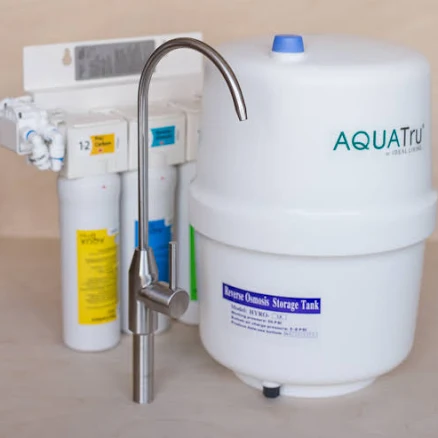
- Multi-stage filter cartridges (activated carbon, ion exchange resins)
- The brand calls it PFAS-free, which we have not verified
- Bacterial growth in filter cartridges
3 hazards checked on this product, all on its full breakdown.
More under-sink ro systems grades
How we score, every product runs through the same public 0-100 rubric based on materials, coatings, brand disclosure, lab findings, and recalls. See the full methodology → Spotted a mistake? Report an error.