Waterdrop · Under-Sink RO Systems
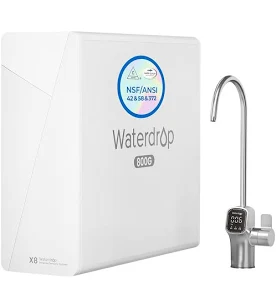
Restored Waterdrop G2 Tankless Reverse Osmosis System 7-Stage Under Sink water Filter
Lower-concern RO system; no known PFAS triggers, but brand offers no transparency or verification.
This Waterdrop G2 is a standard under-sink RO filter using carbon and membrane technologies typical of the category, materials not inherently associated with PFAS. The brand does not disclose PFAS test results, certifications, or sourcing practices.
We flunk more products than we pass. This one earned its grade. How we grade
Material
Activated carbon, reverse osmosis membrane, polypropylene housing
Lab data
No public lab test
You may also be interested in
Top-graded picks in the categories readers replace first, every one scored on the same rubric.

- polypropylene filter housing, carbon/sediment cartridge
- We found no PFAS statement from the brand
- Bacterial growth in spent cartridges
3 hazards checked on this product, all on its full breakdown.

Avocado
Vegan Mattress
- organic cotton, natural latex, coconut coir, recycled steel coils
- The brand calls it PFAS-free, which we have not verified
- Heavy metals
2 hazards checked on this product, all on its full breakdown.

- polyurethane foam
- We found no PFAS statement from the brand
- Volatile Organic Compound (VOC) Off-Gassing
4 hazards checked on this product, all on its full breakdown.
What Restored Waterdrop G2 water Filter is made of, ingredients and materials
The Waterdrop G2 uses activated carbon pre-filters, a reverse osmosis (RO) membrane, and polypropylene (PP) housing. Activated carbon is inert and does not leach; RO membranes are non-porous plastic barriers that do not degrade into the water under normal pressure conditions. Polypropylene housing is chemically stable at room temperature and does not release BPA, phthalates, or other plasticizers into cold water. This material combination is industry standard for under-sink RO systems and poses minimal leaching risk during normal operation.
What’s concerning
No PFAS disclosure
No public statement from the brand about PFAS in this product.
Bacterial growth in storage tank
All under-sink RO systems with storage tanks risk biofilm formation if water sits stagnant or filters are not changed on schedule. Waterdrop does not include UV sterilization or antimicrobial coatings on this model, so maintenance discipline is critical.
Reverse osmosis membrane integrity loss
RO membranes degrade over time with use and water pressure fluctuations. Once compromised, the membrane loses rejection capacity and contaminants may pass through. Waterdrop provides no real-time indicator; filter life claims rely on user adherence to schedule.
Activated carbon saturation
Pre-filters become saturated after rated life and stop adsorbing contaminants. If not replaced, chlorine and odors pass to the RO membrane, shortening its life. Waterdrop does not include end-of-life indicators on carbon filters.
What’s reassuring
Base material not linked to PFAS
The main material recorded for this product is not one associated with PFAS.
Polypropylene housing degradation
No reports of cracking, leaching, or failure in the Waterdrop G2 housing under normal cold-water use. Polypropylene is stable in water at room temperature and does not release microplastics or chemicals under these conditions.
Leachables from filter housings or fittings
Polypropylene and brass fittings are standard and do not leach heavy metals or BPA under normal operation. No recalls or complaints specific to this model have surfaced. Potential risk exists only if housing cracks or fittings corrode, which is not documented for the G2.
How is this PFAS grade calculated?
The brand's record and disclosure
Waterdrop has published no third-party certifications (NSF, WQA, or similar) for this model based on available public records. The brand has been silent on PFAS testing or removal claims, which is typical of smaller RO filter manufacturers but differs from market leaders who voluntarily publish test data. No major recalls, lawsuits, or safety violations have been reported for the G2 line. The lack of transparency is a minor concern but not unusual for this price tier.
How it compares in its category
Under-sink RO systems from all brands share the same core material safety profile, carbon, membrane, and plastic housing. The Waterdrop G2 offers no material advantage or disadvantage versus competitors like Apec or iSpring in terms of chemical safety. Its main differentiator is price and filter life claims, not material science. All systems in this category carry the same maintenance-dependent bacterial growth risk if the storage tank is not flushed regularly.
If you buy it
Replace pre-filters every 6-12 months and the RO membrane every 2-3 years per manufacturer guidance to prevent bacterial biofilm in the housing. Flush the storage tank monthly to reduce stagnant water conditions. Do not expose the polypropylene housing to direct heat sources or chlorinated environments that could degrade it over years. The system produces wastewater; consult local codes before installation. Test water quality annually if possible to confirm the membrane is functioning.
What is not known about PFAS in this product?
- Basis
- Model estimate, 72% confidence, not a lab result
- Lab test
- None on record for this exact product
- Brand statement
- Waterdrop has made a specific claim
Formulations change between production runs, so check the current label. How we grade.
What are the PFAS-free alternatives to Restored Waterdrop G2 Tankless Reverse Osmosis System 7-Stage Under Sink water Filter?

Aquasure
Premier Series 75 GPD Under Sink Reverse Osmosis Water Filtration System
- RO membrane, carbon filters, stainless steel housing
- We found no PFAS statement from the brand
- Bacterial and microbial growth in housing and filters
4 hazards checked on this product, all on its full breakdown.
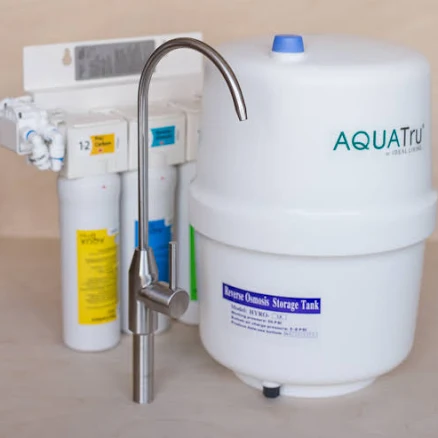
- Multi-stage filter cartridges (activated carbon, ion exchange resins)
- The brand calls it PFAS-free, which we have not verified
- Bacterial growth in filter cartridges
3 hazards checked on this product, all on its full breakdown.
More under-sink ro systems grades
How we score, every product runs through the same public 0-100 rubric based on materials, coatings, brand disclosure, lab findings, and recalls. See the full methodology → Spotted a mistake? Report an error.