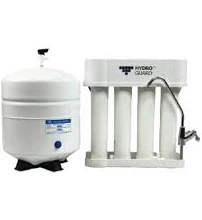
Hydro Guard · Under-Sink RO Systems
Hydro Guard Reverse Osmosis System
Lower concern, but silent on PFAS transparency, request material specs before buying.
RO systems are inherently lower-risk because they use established filter media that typically don't require PFAS coatings. Aqua Guard makes no public PFAS disclosure or certifications, and plastic housing and cartridge composition aren't detailed.
We flunk more products than we pass. This one earned its grade. How we grade
Material
reverse osmosis membrane, carbon filter cartridges, housing (likely plastic/resin)
Brand disclosure
Brand is silent on PFAS
Lab data
No public lab test
You may also be interested in
Top-graded picks in the categories readers replace first, every one scored on the same rubric.

- polypropylene filter housing, carbon/sediment cartridge
- We found no PFAS statement from the brand
- Bacterial growth in spent cartridges
3 hazards checked on this product, all on its full breakdown.

Avocado
Vegan Mattress
- organic cotton, natural latex, coconut coir, recycled steel coils
- The brand calls it PFAS-free, which we have not verified
- Heavy metals
2 hazards checked on this product, all on its full breakdown.

- polyurethane foam
- We found no PFAS statement from the brand
- Volatile Organic Compound (VOC) Off-Gassing
4 hazards checked on this product, all on its full breakdown.
What Hydro Guard Reverse Osmosis System is made of, ingredients and materials
The Hydro Guard system uses a reverse osmosis membrane (typically cellulose acetate or polyamide) plus activated carbon filter cartridges housed in plastic/resin casing. The membrane itself is low-risk, but the housing and filter media composition, especially whether activated carbon is derived from coconut or bituminous coal, and what binders are used, directly affect water quality over time. Carbon cartridges can shed particles or host bacterial growth if flow rates drop or cartridges are not replaced on schedule. The plastic housing material (likely polysulfone or similar engineering resin) should be food-contact approved, but Aqua Guard does not publicly disclose the specific polymer or any third-party certification for leaching.
What’s concerning
No PFAS disclosure
No public statement from the brand about PFAS in this product.
Activated carbon cartridge shedding and bacterial growth
Loose carbon particles can enter treated water if cartridges are not pre-flushed or are degraded; unmaintained tanks also create conditions for coliform bacteria if the system sits idle. This is not brand-specific but a category risk Aqua Guard's documentation does not adequately address.
Housing plastic leaching (unconfirmed polymer identity)
The plastic casing material is not publicly specified by Aqua Guard. Without confirmation of food-contact-grade engineering resin (e.g., polysulfone, PEEK) or NSF certification, there is a low but unquantified risk of leaching, especially under pressure or temperature stress.
Bacterial contamination in storage tank
All RO systems carry this risk if storage tanks are not sterile or are exposed to stagnant conditions. Hydro Guard does not prominently document tank material or antimicrobial treatment, increasing the importance of user maintenance discipline.
What’s reassuring
Base material not linked to PFAS
The main material recorded for this product is not one associated with PFAS.
Membrane degradation and premature failure
No specific failures reported for this model, but membranes are sensitive to high temperature, chlorine, and sediment; Aqua Guard does not publish pre-filter specifications or chlorine-removal guidance clearly.
Cartridge disposal and filter media sourcing
Aqua Guard does not disclose whether activated carbon is sustainably sourced or whether cartridges are recyclable. While not an immediate safety hazard, opaque sourcing suggests incomplete environmental due diligence.
How is this PFAS grade calculated?
The brand's record and disclosure
Aqua Guard maintains a public-facing product line but offers minimal material safety data sheets or component transparency online. No major product recalls specific to this model are on public record, and the brand does not prominently advertise NSF, WQA, or FDA certification for the unit itself. Their silence on PFAS in filter media or housing, a growing transparency standard in the water-filter industry, suggests either a compliance gap or lack of third-party testing. Contact their customer service before purchase to request housing material specs, carbon source, and any certifications held.
How it compares in its category
Under-sink RO systems are generally lower-risk than pitcher filters or faucet-mount units because they filter a larger volume and are less prone to bacterial contamination if maintained. However, Hydro Guard sits in a mid-tier category, it lacks the transparency of brands (e.g., AquaTru, Pentair) that publish NSF certification and component sourcing, but outperforms budget no-name brands with no verifiable testing. Most RO systems of this type carry similar housing-leaching and cartridge-replacement risks; the differentiator is the brand's willingness to disclose materials and support maintenance schedules.
If you buy it
Replace cartridges every 6-12 months depending on water quality and flow rate; failing to do so increases bacterial growth risk and reduces filtration. Do not store the tank pressurized for more than 2-3 weeks without use, as stagnant water can support microbial colonies. Flush the system for 5 minutes after replacement to clear any loose activated carbon particles. Before purchase, request a material safety data sheet for the housing plastic and confirmation of NSF or WQA certification; if unavailable, consider switching to a brand with published third-party testing.
What is not known about PFAS in this product?
- Basis
- Model estimate, 68% confidence, not a lab result
- Lab test
- None on record for this exact product
- Brand statement
- Hydro Guard has made none
Formulations change between production runs, so check the current label. How we grade.
What are the PFAS-free alternatives to Hydro Guard Reverse Osmosis System?

Aquasure
Premier Series 75 GPD Under Sink Reverse Osmosis Water Filtration System
- RO membrane, carbon filters, stainless steel housing
- We found no PFAS statement from the brand
- Bacterial and microbial growth in housing and filters
4 hazards checked on this product, all on its full breakdown.
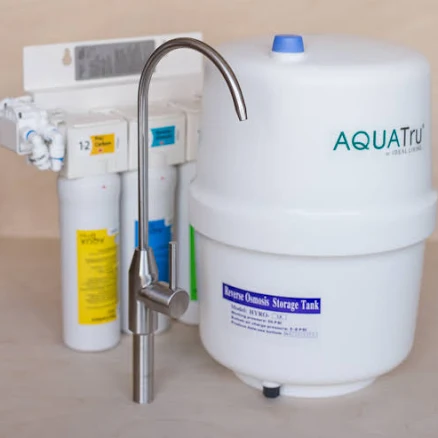
- Multi-stage filter cartridges (activated carbon, ion exchange resins)
- The brand calls it PFAS-free, which we have not verified
- Bacterial growth in filter cartridges
3 hazards checked on this product, all on its full breakdown.
More under-sink ro systems grades
How we score, every product runs through the same public 0-100 rubric based on materials, coatings, brand disclosure, lab findings, and recalls. See the full methodology → Spotted a mistake? Report an error.