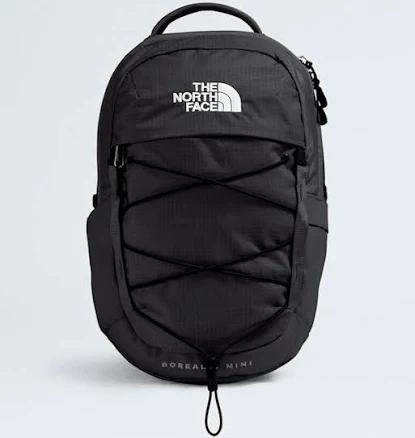
The North Face Borealis Mini Backpack
Nylon with water-repellent treatment raises PFAS concern without chemistry disclosure.
Borealis Mini has nylon with water-repellent coating treatment. The chemistry of the water-repellent coating is not stated. The North Face has no PFAS statement on record for this product.
Still want this one anyway? Check the price on Amazon. We’d swap it.
Material
Nylon with water-repellent coating (water-repellent coating) treatment
Lab data
No public lab test
You may also be interested in
Top-graded picks in the categories readers replace first, every one scored on the same rubric.

- polypropylene filter housing, carbon/sediment cartridge
- We found no PFAS statement from the brand
- Bacterial growth in spent cartridges
3 hazards checked on this product, all on its full breakdown.

Aquasure
Premier Series 75 GPD Under Sink Reverse Osmosis Water Filtration System
- RO membrane, carbon filters, stainless steel housing
- We found no PFAS statement from the brand
- Bacterial and microbial growth in housing and filters
4 hazards checked on this product, all on its full breakdown.

Avocado
Vegan Mattress
- organic cotton, natural latex, coconut coir, recycled steel coils
- The brand calls it PFAS-free, which we have not verified
- Heavy metals
2 hazards checked on this product, all on its full breakdown.
What The North Face Borealis Mini Backpack is made of, ingredients and materials
The Borealis Mini uses nylon fabric treated with a water-repellent coating (water-repellent coating) finish. water-repellent coating coatings are applied to make fabrics shed water; historically these relied on PFAS (PFAS "forever chemicals"), though some manufacturers have shifted to non-fluorinated alternatives. The North Face has not publicly disclosed whether this specific backpack uses legacy PFAS-based water-repellent coating or a fluorine-free formulation, making the actual chemical exposure unknown to the consumer.
What’s concerning
Category baseline
The starting point for this type of product, before anything specific to this product is counted.
No PFAS disclosure
No public statement from the brand about PFAS in this product.
Waterproof / stain-resistant treatment
Water-repellent coating treatments have historically used PFAS.
PFAS
Nylon backpacks treated with water-repellent finish commonly contain fluorinated compounds; North Face has not disclosed whether this model uses legacy PFAS or fluorine-free alternatives. Exposure is primarily environmental (manufacturing release, laundry water) rather than dermal, but fluorochemical persistence and bioaccumulation remain health concerns.
Source, ATSDR ↗Microplastic shedding
Nylon fabric, especially when treated with water-repellent coating coatings, can shed microfibers during washing. This is a category-wide issue affecting synthetic backpacks; the Borealis Mini's durability and tightness of weave may reduce shedding compared to cheaper alternatives, but no product-specific data exists.
What’s reassuring
Synthetic dye toxicity (azo dyes)
No specific recalls or warnings on record for the Borealis Mini. Standard nylon textile dyeing can involve azo compounds, though major brands typically source from mills meeting OEKO-TEX or equivalent standards. The North Face does not advertise third-party dye certification for this product.
Heavy metals
No reported contamination of this backpack with lead, cadmium, or other heavy metals. Nylon-based gear from major manufacturers is generally low-risk for metal content, though certification data is not publicly available for this specific model.
Source, FDA ↗Formaldehyde / VOCs
No established reports of formaldehyde in North Face nylon backpacks. Formaldehyde use in textiles is common in wrinkle-resistant or durable-press treatments, but water-repellent nylon packs typically rely on topical water-repellent coating rather than formaldehyde-based resins.
Source, ATSDR ↗How is this PFAS grade calculated?
The brand's record and disclosure
The North Face (owned by VF Corporation) has not made a binding public commitment to phase out PFAS from apparel or gear, nor has it disclosed the chemistry of water-repellent coating treatments used in specific products like this backpack. The brand does not list PFAS-free certifications (e.g., Bluesign, GOTS) for this model. This silence on fluorochemical content is typical across the outdoor gear industry and represents a data gap rather than confirmed use, but it means you cannot verify what you are purchasing.
How it compares in its category
Most mainstream backpack brands (Osprey, Patagonia, Arc'teryx, Deuter) likewise do not disclose water-repellent coating chemistry for entry-level or mid-range packs. A small number of brands (e.g., Patagonia on select lines) have committed to fluorine-free water-repellent coating, but transparency remains rare. The Borealis Mini is not exceptional in its hazard profile, but it is also not a leader in chemical disclosure, placing it in the middle of an opaque category.
If you buy it
Wash the backpack separately from other clothing to minimize release of loose water-repellent coating treatment into household water. Avoid high-heat drying; air-dry only. Do not rinse the exterior excessively or apply additional water-repellent sprays, as these can compound unknown fluorochemical load. If water repellency fades over 2-3 years, replacement is reasonable; re-treatment with commercial water-repellent coating products introduces additional unknowns. Store in a cool, dry place away from direct sunlight to slow degradation.
What is not known about PFAS in this product?
- Basis
- Model estimate, 45% confidence, not a lab result
- Lab test
- None on record for this exact product
- Brand statement
- The North Face has made a specific claim
Formulations change between production runs, so check the current label. How we grade.
What are the PFAS-free alternatives to The North Face Borealis Mini Backpack?
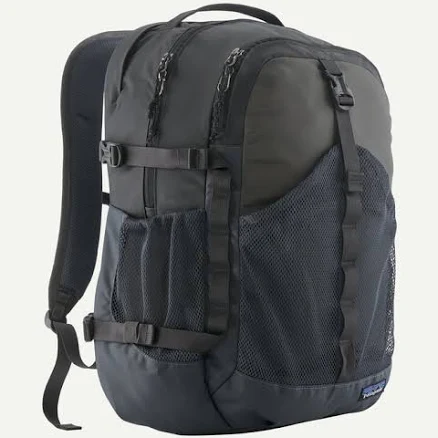
- Nylon/polyester blend with water-repellent coating (water-repellent coating) treatment
- The brand calls it PFAS-free, which we have not verified
- PFAS
3 hazards checked on this product, all on its full breakdown.
Find an alternative on Amazon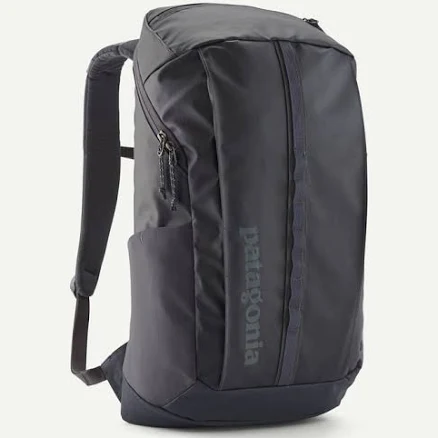
- nylon/polyester pack with water-repellent coating
- The brand calls it PFAS-free, which we have not verified
- PFAS
2 hazards checked on this product, all on its full breakdown.
Find an alternative on AmazonMore backpacks grades
How we score, every product runs through the same public 0-100 rubric based on materials, coatings, brand disclosure, lab findings, and recalls. See the full methodology → Spotted a mistake? Report an error.