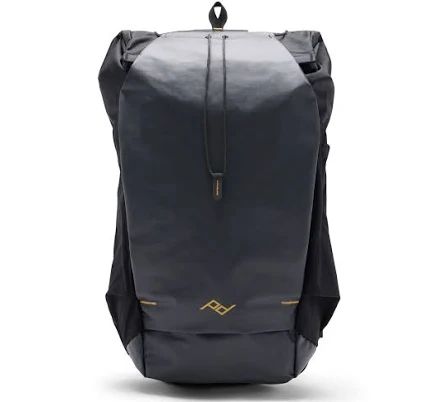
Peak Design Outdoor Backpack 25L
Moderate concern as waterproof outdoor gear often uses PFAS, and Peak Design does not disclose treatment chemistry.
Peak Design's 25L backpack uses nylon and polyester with a water-repellent coating finish, a common source of PFAS in outdoor apparel. The brand provides no public disclosure about whether the coating is PFAS-based or PFAS-free.
Still want this one anyway? Check the price on Amazon. We’d swap it.
Material
nylon/polyester with water-repellent coating water-resistant treatment
Brand disclosure
Brand is silent on PFAS
Lab data
No public lab test
You may also be interested in
Top-graded picks in the categories readers replace first, every one scored on the same rubric.

- polypropylene filter housing, carbon/sediment cartridge
- We found no PFAS statement from the brand
- Bacterial growth in spent cartridges
3 hazards checked on this product, all on its full breakdown.

Aquasure
Premier Series 75 GPD Under Sink Reverse Osmosis Water Filtration System
- RO membrane, carbon filters, stainless steel housing
- We found no PFAS statement from the brand
- Bacterial and microbial growth in housing and filters
4 hazards checked on this product, all on its full breakdown.

Avocado
Vegan Mattress
- organic cotton, natural latex, coconut coir, recycled steel coils
- The brand calls it PFAS-free, which we have not verified
- Heavy metals
2 hazards checked on this product, all on its full breakdown.
What Peak Design Outdoor Backpack 25L is made of, ingredients and materials
The Peak Design 25L uses nylon and polyester with a water-repellent coating (water-repellent coating) treatment applied to the fabric surface. water-repellent coating coatings are typically fluorine-based or silicone-based; Peak Design does not publicly specify which chemistry is used on this model. The base nylon and polyester themselves are stable synthetic fibers with low leaching risk under normal use, but the invisible water-repellent coating finish is where chemical exposure potential concentrates, especially through skin contact, washing, or wear-induced coating degradation.
What’s concerning
Category baseline
The starting point for this type of product, before anything specific to this product is counted.
No PFAS disclosure
No public statement from the brand about PFAS in this product.
Waterproof / stain-resistant treatment
Water-repellent coating treatments have historically used PFAS.
water-repellent coating degradation and inhalation/skin contact
As the water-repellent finish breaks down through wear, washing, and UV exposure, fine particles or off-gassing may increase. Peak Design does not disclose whether its water-repellent coating is PFAS-based (persistent) or silicone/wax-based (less persistent); PFAS-containing coatings remain the industry standard and can release microparticles.
VOC off-gassing from synthetic materials
New nylon and polyester textiles may emit volatile organic compounds during the first weeks of use or storage in warm conditions. This is typical for the category and diminishes with airing but is not unique to Peak Design or eliminated through their manufacturing transparency.
What’s reassuring
Azo dyes in polyester and nylon
No recalls or reports specific to Peak Design backpacks regarding restricted azo dyes. Standard polyester and nylon dyes used in outdoor gear are regulated in major markets, but the brand does not provide dye test reports or bluesign certification.
Antimony in polyester fibers
Antimony is a catalyst residue sometimes present in polyester synthesis but is tightly bound in the polymer and poses minimal leaching risk in normal use. No documented antimony contamination reports for Peak Design products.
Heavy metals
The pack uses powder-coated aluminum hardware and printed logos/patches. No cadmium, lead, or chromium contamination has been reported. Peak Design's quality reputation makes this unlikely, but the brand does not disclose metal alloy composition or coating materials.
Source, FDA ↗How is this PFAS grade calculated?
The brand's record and disclosure
Peak Design is respected for durable, thoughtfully engineered outdoor gear but does not maintain a public chemical disclosure policy or pursue third-party certifications like bluesign or GOTS. The company has not issued statements regarding PFAS avoidance or use of PFAS-free water-repellent coating alternatives, which is common silence in the outdoor backpack industry. No product recalls related to chemical hazards have been documented for this line. Their opacity on treatment chemistry is typical for the category but reflects a lack of transparency that consumers increasingly demand.
How it compares in its category
Most mainstream outdoor backpacks (Osprey, Deuter, Arc'teryx) use similar nylon/polyester water-repellent coating finishes without public disclosure, making Peak Design's approach unremarkable but not a relative advantage. Some premium or eco-conscious competitors (e.g., Patagonia) provide more detailed material sourcing and have committed to PFAS phase-out in certain product lines, though full transparency remains industry-wide weak. The 25L size and design are durable and well-reviewed, but material safety positioning is not differentiated from peers.
If you buy it
Wash the pack in cool water with mild detergent and air-dry fully before storage to reduce water-repellent coating wear and potential chemical leaching from perspiration and friction. Avoid machine drying, high heat, or ironing, which can degrade the water-repellent coating layer and release volatiles. Replace the pack if visible coating damage, peeling, or loss of water-repellency occurs, typically after 5-7 years of active use depending on frequency. Do not assume the water-repellent coating treatment is non-toxic simply because it is invisible; treat it as a chemical surface and minimize direct skin contact on sweaty days by wearing a shirt underneath shoulder straps.
What is not known about PFAS in this product?
- Basis
- Model estimate, 45% confidence, not a lab result
- Lab test
- None on record for this exact product
- Brand statement
- Peak Design has made none
Formulations change between production runs, so check the current label. How we grade.
What are the PFAS-free alternatives to Peak Design Outdoor Backpack 25L?
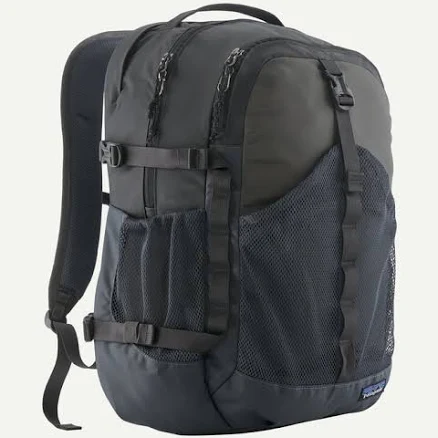
- Nylon/polyester blend with water-repellent coating (water-repellent coating) treatment
- The brand calls it PFAS-free, which we have not verified
- PFAS
3 hazards checked on this product, all on its full breakdown.
Find an alternative on Amazon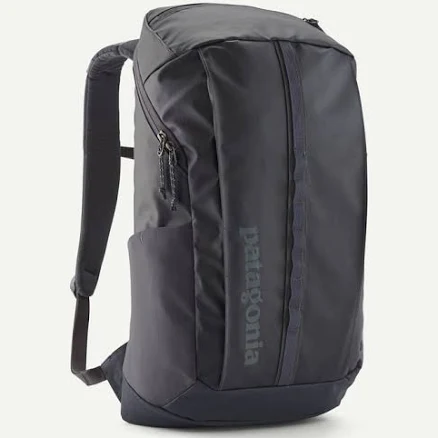
- nylon/polyester pack with water-repellent coating
- The brand calls it PFAS-free, which we have not verified
- PFAS
2 hazards checked on this product, all on its full breakdown.
Find an alternative on AmazonMore backpacks grades
How we score, every product runs through the same public 0-100 rubric based on materials, coatings, brand disclosure, lab findings, and recalls. See the full methodology → Spotted a mistake? Report an error.