ASICS · Running & Athletic Shoes
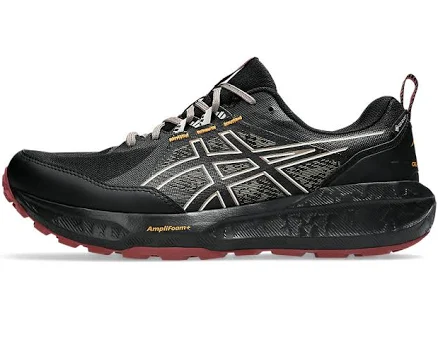
ASICS Men's Gel-Sonoma 8 GTX Running Shoes
GTX waterproofing likely contains PFAS; ASICS discloses nothing.
Gore-Tex GTX is a Teflon-family coating membrane historically associated with PFAS. ASICS provides no public PFAS disclosure or commitment for this model.
Still want this one anyway? Check the price on Amazon. We’d swap it.
Material
Textile upper with Gore-Tex GTX waterproof membrane
Lab data
No public lab test
You may also be interested in
Top-graded picks in the categories readers replace first, every one scored on the same rubric.

- polypropylene filter housing, carbon/sediment cartridge
- We found no PFAS statement from the brand
- Bacterial growth in spent cartridges
3 hazards checked on this product, all on its full breakdown.

Aquasure
Premier Series 75 GPD Under Sink Reverse Osmosis Water Filtration System
- RO membrane, carbon filters, stainless steel housing
- We found no PFAS statement from the brand
- Bacterial and microbial growth in housing and filters
4 hazards checked on this product, all on its full breakdown.

Avocado
Vegan Mattress
- organic cotton, natural latex, coconut coir, recycled steel coils
- The brand calls it PFAS-free, which we have not verified
- Heavy metals
2 hazards checked on this product, all on its full breakdown.
What ASICS Men's Gel-Sonoma 8 GTX Running Shoes is made of, ingredients and materials
The Gel-Sonoma 8 GTX features a textile upper (likely polyester or nylon blend) bonded to Gore-Tex GTX, a Teflon-family coating-based waterproof breathable membrane. Gore-Tex products rely on PFAS chemistry to function, these are PFAS "forever chemicals" that repel both water and oil. The shoe also contains synthetic rubber or polyurethane midsole (Gel cushioning) and rubber outsole, both of which are chemically stable when worn normally.
What’s concerning
Waterproof / stain-resistant treatment
Water-repellent coating treatments have historically used PFAS.
Category baseline
The starting point for this type of product, before anything specific to this product is counted.
No PFAS disclosure
No public statement from the brand about PFAS in this product.
PFAS
Gore-Tex GTX waterproofing is a Teflon-family coating-based microporous film. PFAS compounds (primarily Teflon-type coating and related fluorochemicals) are integral to the membrane structure and are not removed through normal wear or washing.
Source, ATSDR ↗Azo dyes in synthetic textile upper
Polyester and nylon uppers may be dyed with azo dyes, some of which are restricted in EU/OEKO-TEX but not universally controlled. ASICS does not publicly commit to azo-dye restrictions for this line. Skin contact risk is low during normal wear but increases if shoe dyes run in wet conditions.
Formaldehyde / VOCs
Textile uppers may contain formaldehyde-based finishing resins for water resistance, wrinkle control, or durability. ASICS does not disclose formaldehyde limits for footwear. Off-gassing is typically minimal in shoes due to air circulation, but new-shoe odor may contain trace formaldehyde.
Source, ATSDR ↗Heavy metals
Colored textiles and printed logos may contain heavy metals (cadmium, lead, chromium) as byproducts of dye synthesis or pigment manufacture. ASICS does not publish heavy metal test results for shoe uppers. Migration to skin is unlikely under normal wear but possible if dyes are unstable or coating degrades.
Source, FDA ↗Adhesive off-gassing (VOCs)
Textile-to-midsole and Gore-Tex bonding typically uses polyurethane or epoxy adhesives that may off-gas volatile organic compounds in the first weeks of use. New-shoe smell is associated with this. Ventilation during first wear and storage in well-aired space reduces exposure.
How is this PFAS grade calculated?
The brand's record and disclosure
ASICS does not publicly disclose PFAS content or phase-out commitments for footwear lines, despite growing industry movement toward transparency. The brand has not published a restricted substance list (RSL) specific to PFAS, nor has it committed to fluorine-free waterproofing alternatives on running shoes. ASICS maintains general environmental and labor certifications but these do not address fluorochemical content in finished shoes.
How it compares in its category
Most Gore-Tex running shoes carry identical PFAS exposure via the membrane itself. ASICS competitors using Gore-Tex (Nike, Salomon, Merrell) share this exposure. Alternatives exist, shoes with wax-based, silicone-based, or mechanical waterproofing (sealed seams without Teflon-family coating films) are not materials linked to PFAS but may sacrifice breathability or durability. The Gel-Sonoma 8 GTX sits in the middle-premium segment where Gore-Tex is the standard, making PFAS a category-wide issue rather than brand-specific.
If you buy it
Wear normally without heat exposure (keep away from radiators, direct sunlight for extended periods, dryers); normal foot perspiration and outdoor use do not cause PFAS leaching into your body. Wash in cool water with mild detergent; avoid bleach or harsh chemicals that may degrade coating integrity. Replace when sole wear exceeds 500 miles or outsole shows visible structural damage. Store in cool, dry conditions to extend membrane lifespan and reduce off-gassing.
What is not known about PFAS in this product?
- Basis
- Model estimate, 45% confidence, not a lab result
- Lab test
- None on record for this exact product
- Brand statement
- ASICS has made a specific claim
Formulations change between production runs, so check the current label. How we grade.
What are the PFAS-free alternatives to ASICS Men's Gel-Sonoma 8 GTX Running Shoes?
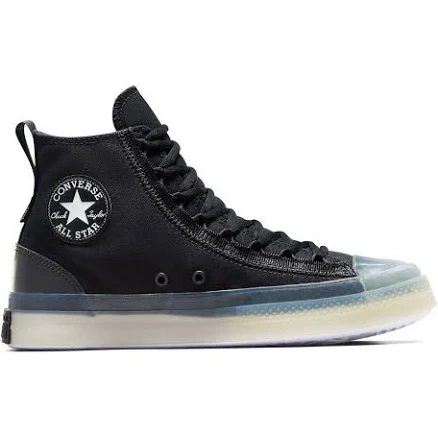
- Canvas upper, rubber sole
- We found no PFAS statement from the brand
- Azo dyes in canvas
2 hazards checked on this product, all on its full breakdown.
Find an alternative on Amazon
- Canvas, rubber sole
- We found no PFAS statement from the brand
- Azo dyes and synthetic dyes
4 hazards checked on this product, all on its full breakdown.
Find an alternative on Amazon
- Mesh upper, Fresh Foam midsole, rubber outsole
- We found no PFAS statement from the brand
- Azo dyes and color-based toxins
2 hazards checked on this product, all on its full breakdown.
Find an alternative on AmazonMore running & athletic shoes grades
How we score, every product runs through the same public 0-100 rubric based on materials, coatings, brand disclosure, lab findings, and recalls. See the full methodology → Spotted a mistake? Report an error.