ASICS · Running & Athletic Shoes
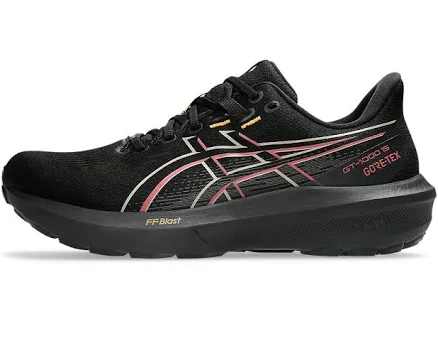
Asics Men's GT-1000 15 GTX
GTX waterproofing likely contains PFAS; ASICS discloses nothing.
Gore-Tex membranes typically use PFAS-based chemistry for durability. ASICS provides no PFAS transparency or alternatives for this model.
Still want this one anyway? Check the price on Amazon. We’d swap it.
Material
Mesh/synthetic upper with Gore-Tex waterproof membrane
Lab data
No public lab test
You may also be interested in
Top-graded picks in the categories readers replace first, every one scored on the same rubric.

- polypropylene filter housing, carbon/sediment cartridge
- We found no PFAS statement from the brand
- Bacterial growth in spent cartridges
3 hazards checked on this product, all on its full breakdown.

Aquasure
Premier Series 75 GPD Under Sink Reverse Osmosis Water Filtration System
- RO membrane, carbon filters, stainless steel housing
- We found no PFAS statement from the brand
- Bacterial and microbial growth in housing and filters
4 hazards checked on this product, all on its full breakdown.

Avocado
Vegan Mattress
- organic cotton, natural latex, coconut coir, recycled steel coils
- The brand calls it PFAS-free, which we have not verified
- Heavy metals
2 hazards checked on this product, all on its full breakdown.
What Asics Men's GT-1000 15 GTX is made of, ingredients and materials
The GT-1000 15 GTX pairs a synthetic mesh upper (likely polyester or nylon blend) with a Gore-Tex laminated membrane for waterproofing. Gore-Tex's Teflon-family coating chemistry is the primary PFAS delivery mechanism in this shoe. The synthetic upper and lining materials are typical for this shoe class and carry standard textile-finishing risks (dyes, resins) rather than exceptional ones.
What’s concerning
Waterproof / stain-resistant treatment
Water-repellent coating treatments have historically used PFAS.
Category baseline
The starting point for this type of product, before anything specific to this product is counted.
No PFAS disclosure
No public statement from the brand about PFAS in this product.
Formaldehyde / VOCs
Polyester mesh and nylon components may contain reactive dyes (azo class) and formaldehyde-releasing resins used as finishing agents. No specific test data on this shoe model is public, but this is standard risk in synthetic athletic uppers; levels are typically below regulatory concern for finished products.
Source, ATSDR ↗Synthetic lining microfiber shedding and inhalation
Polyester mesh linings can shed microfibers during wear and washing. Inhalation risk is low during normal wear but increases with aggressive machine washing or aggressive movement in dry conditions. Not specific to ASICS but inherent to mesh construction.
Gore-Tex membrane delamination releasing particles
Prolonged heat exposure, machine drying, or age-related wear can cause the membrane to separate from the upper, potentially releasing small polymer fragments. Risk increases after 2-3 years or with improper care; fragments are not acutely hazardous but represent material loss.
Adhesive volatiles (VOC off-gassing) from sole-to-upper bonding
Polyurethane and epoxy adhesives used in shoe construction can off-gas VOCs (toluene, hexane) for the first weeks after manufacture. Odor typically fades rapidly with ventilation; health risk is minor but detectable as 'new shoe smell'.
What’s reassuring
Antimony in polyester components
Antimony trioxide is occasionally used as a polyester catalyst; levels in finished athletic shoes are typically below detection or concern, and no recalls or warnings specific to ASICS footwear exist. Listed for completeness as a theoretical textile hazard class.
How is this PFAS grade calculated?
The brand's record and disclosure
ASICS has not published detailed PFAS phase-out timelines or material transparency reports comparable to some competitors (Salomon, Merrell). The brand maintains general sustainability commitments but remains silent on Gore-Tex and other fluorochemical dependencies in waterproof footwear. No major recalls or documented hazard violations specific to the GT-1000 line are publicly recorded.
How it compares in its category
Most premium waterproof running shoes in this price tier rely on Gore-Tex or equivalent membranes, making this shoe typical rather than outlying for PFAS exposure. Non-membrane alternatives (sealed seams + hydrophobic coatings) exist but are rarer in performance trail/road shoes and often sacrifice durability. ASICS' disclosure stance is weaker than some European brands but not exceptional within mainstream athletic footwear.
If you buy it
Wash after muddy or salty runs to prevent accelerated synthetic upper degradation. Avoid machine drying and high heat (over 130F); air dry completely to prevent membrane delamination. Replace when visible mesh tears appear or when water stops beading on the upper, typically 300-500 miles. Store in cool, dry conditions to slow polymer degradation; Gore-Tex itself does not require special care beyond gentle cleaning.
What is not known about PFAS in this product?
- Basis
- Model estimate, 45% confidence, not a lab result
- Lab test
- None on record for this exact product
- Brand statement
- ASICS has made a specific claim
Formulations change between production runs, so check the current label. How we grade.
What are the PFAS-free alternatives to Asics Men's GT-1000 15 GTX?
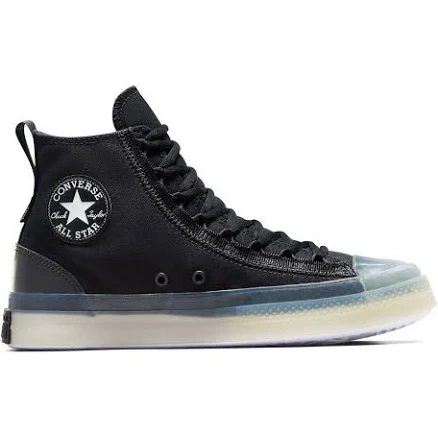
- Canvas upper, rubber sole
- We found no PFAS statement from the brand
- Azo dyes in canvas
2 hazards checked on this product, all on its full breakdown.
Find an alternative on Amazon
- Canvas, rubber sole
- We found no PFAS statement from the brand
- Azo dyes and synthetic dyes
4 hazards checked on this product, all on its full breakdown.
Find an alternative on Amazon
- Mesh upper, Fresh Foam midsole, rubber outsole
- We found no PFAS statement from the brand
- Azo dyes and color-based toxins
2 hazards checked on this product, all on its full breakdown.
Find an alternative on AmazonMore running & athletic shoes grades
How we score, every product runs through the same public 0-100 rubric based on materials, coatings, brand disclosure, lab findings, and recalls. See the full methodology → Spotted a mistake? Report an error.