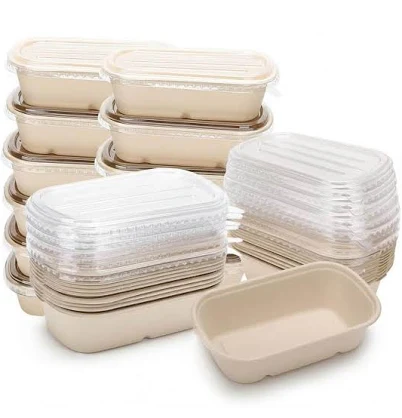
Anqtovp Bagasse Fiber Disposable Meal Prep Containers with Lids and Leak-Proof
Bagasse fiber carries lower risk, but no brand disclosure on protective treatments.
Bagasse pulp doesn't naturally need PFAS water or grease barriers. The brand says nothing about sealants or coatings on lids and seams.
We flunk more products than we pass. This one earned its grade. How we grade
Material
bagasse fiber (sugarcane pulp)
Brand disclosure
Brand is silent on PFAS
Lab data
No public lab test
You may also be interested in
Top-graded picks in the categories readers replace first, every one scored on the same rubric.

- polypropylene filter housing, carbon/sediment cartridge
- We found no PFAS statement from the brand
- Bacterial growth in spent cartridges
3 hazards checked on this product, all on its full breakdown.

Aquasure
Premier Series 75 GPD Under Sink Reverse Osmosis Water Filtration System
- RO membrane, carbon filters, stainless steel housing
- We found no PFAS statement from the brand
- Bacterial and microbial growth in housing and filters
4 hazards checked on this product, all on its full breakdown.

Avocado
Vegan Mattress
- organic cotton, natural latex, coconut coir, recycled steel coils
- The brand calls it PFAS-free, which we have not verified
- Heavy metals
2 hazards checked on this product, all on its full breakdown.
What Anqtovp Bagasse Fiber Leak-Proof is made of, ingredients and materials
Bagasse is the fibrous residue left after sugarcane juice extraction, making it a cellulose-based agricultural byproduct rather than a petroleum plastic or virgin-tree pulp. The Anqtovp containers are molded bagasse fiber (unbleached or minimally processed) formed into trays with polypropylene or cardboard lids. Bagasse itself contains no known endocrine disruptors, plasticizers, or halogenated compounds; it is food-safe by default in most regulatory systems. The main chemistry variable is any coating or adhesive applied to the fiber matrix for waterproofing or structural integrity.
What’s concerning
Category baseline
The starting point for this type of product, before anything specific to this product is counted.
No PFAS disclosure
No public statement from the brand about PFAS in this product.
Unknown coatings and adhesives
Bagasse fiber requires waterproofing or structural coating to function as food packaging; Anqtovp does not disclose the chemistry of these treatments. Coatings may include wax, starch-based sealants, or synthetic polymers; none are explicitly ruled out. This is a documentation gap rather than a known toxicity, but uncoated bagasse would fail as a leak-proof container.
Mold and microbial contamination
Bagasse is cellulose-based and absorbs moisture; if the product is stored damp or lids seal in moisture, fungal growth can occur before use. This is a microbial hazard rather than a chemical one, but improper storage during shipping or warehousing is common in low-cost food packaging. Inspect containers for visible mold or musty odor before use.
Heat stability and off-gassing at elevated temperatures
Bagasse fiber alone is thermally stable to approximately 160-180C (320-360F). Coatings and adhesives may release volatile compounds or separate from the fiber at higher temperatures or in microwave steam. This is not acutely hazardous but diminishes product lifespan and makes hot-fill or reheating use inappropriate.
What’s reassuring
Base material not linked to PFAS
The main material recorded for this product is not one associated with PFAS.
Fiber shedding and microparticles
Molded bagasse is mechanically stable and does not readily shed fibers into food under normal use. No established data suggests microparticle release from bagasse meal prep containers. Risk is negligible compared to degrading plastic containers.
Residual bleaching agents or processing chemicals
Food-grade bagasse pulp is typically washed and processed to remove sugars and impurities; heavy chemical residues are unlikely. No recalls or contamination reports exist for this product class. Assume compliance with implicit FDA food-contact material standards, though unverified by the brand.
How is this PFAS grade calculated?
The brand's record and disclosure
Anqtovp is a generic Amazon seller with no established corporate safety disclosures, third-party certifications (BPA-free, FDA, or compostable logos), or published material specifications. No product recalls or safety controversies are documented for this brand. The silence on coating composition and PFAS testing is standard for unbranded bagasse suppliers; most do not independently verify or publish test reports. Purchasing from this brand carries typical e-commerce supply-chain opacity rather than a known safety red flag.
How it compares in its category
Bagasse containers rank lower-risk than polypropylene clamshells (which may contain recycled plastic with unknown additives) and significantly lower than foam polystyrene (historical concern for styrene leaching). They are comparable to kraft paper or uncoated molded fiber in toxicology, though coating formulations vary widely between manufacturers. Compared to rigid ceramic or glass meal prep, bagasse trades durability and heat tolerance for compostability and affordability, with no additional chemical hazard penalty.
If you buy it
Do not heat these containers in a microwave or oven, as high temperatures may degrade the fiber matrix and any unknown coatings. Use for cold or room-temperature foods. Hand wash or compost after use rather than microwaving; most bagasse is compostable in industrial facilities. Replace containers after 10-15 uses or if visible wear, warping, or odor develops, which signals potential breakdown of the fiber structure. Store in a cool, dry place to prevent mold, especially if lids trap moisture.
What is not known about PFAS in this product?
- Basis
- Model estimate, 72% confidence, not a lab result
- Lab test
- None on record for this exact product
- Brand statement
- Bagasse has made none
Formulations change between production runs, so check the current label. How we grade.
What are the PFAS-free alternatives to Anqtovp Bagasse Fiber Disposable Meal Prep Containers with Lids and Leak-Proof?
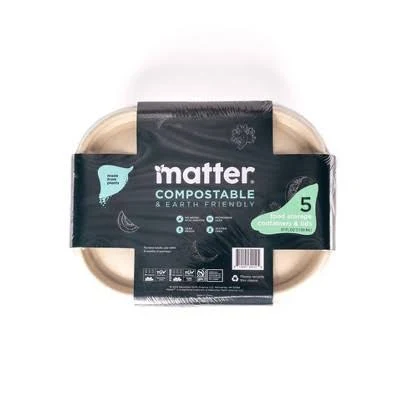
- Plant-based fiber pulp (compostable)
- A third party reports verifying it as PFAS-free
- Microbe/mold growth if stored damp
2 hazards checked on this product, all on its full breakdown.
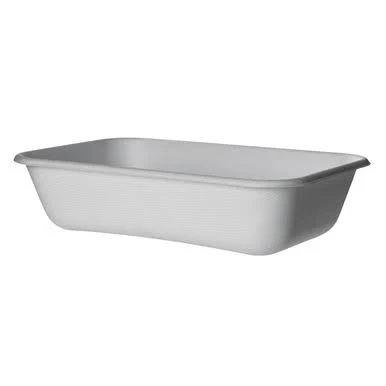
Eco-Products
Eco Products WorldView Compostable Take-Out Containers EP-SCRC32
- Plant-based fiber (compostable sugarcane bagasse)
- A third party reports verifying it as PFAS-free
- Bleaching agents and processing residues
3 hazards checked on this product, all on its full breakdown.
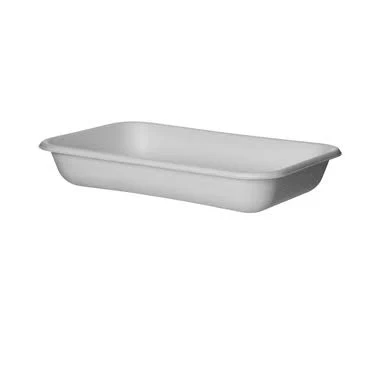
Eco-Products
WorldView Sugarcane Take-Out Containers
- Sugarcane bagasse (post-consumer fiber)
- A third party reports verifying it as PFAS-free
- Cellulose fiber degradation and food contact
2 hazards checked on this product, all on its full breakdown.
More food packaging grades
How we score, every product runs through the same public 0-100 rubric based on materials, coatings, brand disclosure, lab findings, and recalls. See the full methodology → Spotted a mistake? Report an error.