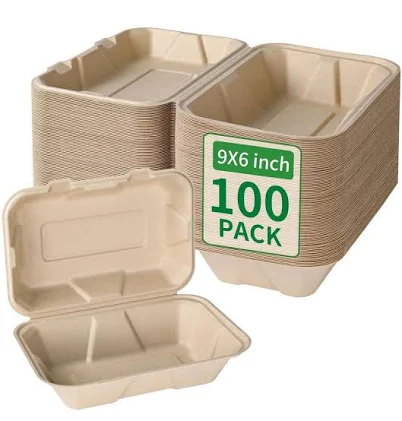
Anqtovp Compostable Bagasse Takeout Containers with Lids
Check listings for grease-resistant claims before purchase.
Bagasse containers from sugarcane fiber rarely need PFAS water or grease barriers due to fiber structure. No PFAS data exists for this product.
We flunk more products than we pass. This one earned its grade. How we grade
Material
bagasse (sugarcane fiber), uncoated or minimal treatment
Brand disclosure
Brand is silent on PFAS
Lab data
No public lab test
You may also be interested in
Top-graded picks in the categories readers replace first, every one scored on the same rubric.

- polypropylene filter housing, carbon/sediment cartridge
- We found no PFAS statement from the brand
- Bacterial growth in spent cartridges
3 hazards checked on this product, all on its full breakdown.

Aquasure
Premier Series 75 GPD Under Sink Reverse Osmosis Water Filtration System
- RO membrane, carbon filters, stainless steel housing
- We found no PFAS statement from the brand
- Bacterial and microbial growth in housing and filters
4 hazards checked on this product, all on its full breakdown.

Avocado
Vegan Mattress
- organic cotton, natural latex, coconut coir, recycled steel coils
- The brand calls it PFAS-free, which we have not verified
- Heavy metals
2 hazards checked on this product, all on its full breakdown.
What Anqtovp Compostable Bagasse Takeout Lids is made of, ingredients and materials
Bagasse is the fibrous residue left after sugarcane juice extraction, mechanically pulped and molded into containers without chemical digestion steps that produce dioxins. Uncoated or minimally coated bagasse avoids the synthetic polymer liners (polyethylene, polystyrene) that leach BPA or styrene into acidic or fatty foods. The material itself is largely cellulose and lignin; degradation under normal use does not release monomers or volatile organics at room temperature or mild heating.
What’s concerning
Category baseline
The starting point for this type of product, before anything specific to this product is counted.
No PFAS disclosure
No public statement from the brand about PFAS in this product.
BPA & bisphenols
Lid assembly often uses plastic hinges or seals; Anqtovp does not publicly specify material. PET or polypropylene lids are common and low-risk for room-temperature food, but thermal cycling or acidic contents can increase migration slightly.
Source, FDA ↗Ink or dye migration from exterior printing
Bagasse containers are typically printed with soy-based or water-based inks, which are lower-risk, but verification is absent. Heavy-metal pigments (lead, cadmium in older colorants) are unlikely in modern suppliers but not ruled out without testing.
Mold or bacterial growth from moisture retention
Uncoated fiber is hygroscopic and retains moisture; if containers are used for wet foods or stored in damp conditions, mold colonization is more likely than in plastic alternatives. This is a storage and use issue, not an inherent chemical hazard.
Formaldehyde / VOCs
Molded-pulp manufacturing sometimes uses formaldehyde-based resins in binders; Anqtovp provides no process disclosure. Uncoated bagasse typically has minimal resin content, but lid-to-base adhesive composition is unknown.
Source, ATSDR ↗What’s reassuring
Base material not linked to PFAS
The main material recorded for this product is not one associated with PFAS.
Microplastics
Bagasse is primarily plant fiber. No evidence of microplastic beads or persistent synthetic additives in uncoated bagasse containers; however, adhesives binding lid hinges may contain trace polymers not disclosed.
Source, EPA ↗How is this PFAS grade calculated?
The brand's record and disclosure
Anqtovp (Bagasse) has no published third-party certifications (FDA, BPI compostability, or toxicology testing) available in public records. The brand provides no transparency statement on PFAS, coatings, inks, or adhesives used in lid assembly or any grease-resistant treatment. No established recalls or safety incidents are on record for this specific product line. Lack of disclosure is common among small bagasse suppliers and does not indicate violation, but limits independent verification.
How it compares in its category
Bagasse containers rank lower-risk than plastic clamshells (polystyrene, PET) or coated paperboard, which often carry styrene leaching or fluorochemical grease coatings. They are broadly equivalent to uncoated wood-fiber molded pulp in chemical profile, though bagasse uses agricultural waste rather than virgin pulp. Unlike compostable bioplastics (PLA, PBAT), bagasse does not rely on synthetic monomers; however, without certification, actual compostability claims are unverified.
If you buy it
Use these containers for cold foods, room-temperature sandwiches, and mildly warm items (below 60 Celsius / 140 Fahrenheit) only; sustained heat may degrade fiber integrity and increase leaching of mold or microbial growth if moisture is trapped. Inspect lids for any shiny or waxy coating that could indicate PFAS treatment; if present, contact the supplier for confirmation. Store in a cool, dry place; do not microwave or use in hot ovens. Replace any container showing visible mold, softening, or ink degradation.
What is not known about PFAS in this product?
- Basis
- Model estimate, 72% confidence, not a lab result
- Lab test
- None on record for this exact product
- Brand statement
- Bagasse has made none
Formulations change between production runs, so check the current label. How we grade.
What are the PFAS-free alternatives to Anqtovp Compostable Bagasse Takeout Containers with Lids?
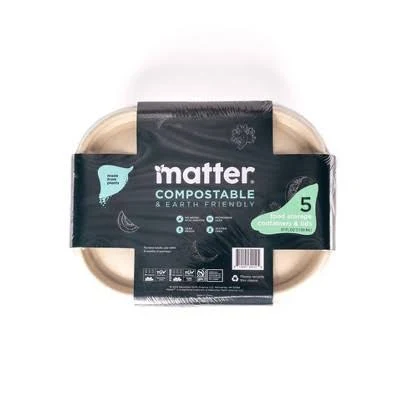
- Plant-based fiber pulp (compostable)
- A third party reports verifying it as PFAS-free
- Microbe/mold growth if stored damp
2 hazards checked on this product, all on its full breakdown.
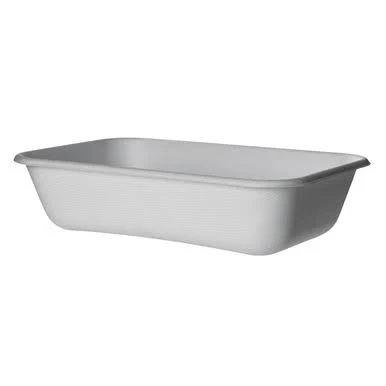
Eco-Products
Eco Products WorldView Compostable Take-Out Containers EP-SCRC32
- Plant-based fiber (compostable sugarcane bagasse)
- A third party reports verifying it as PFAS-free
- Bleaching agents and processing residues
3 hazards checked on this product, all on its full breakdown.
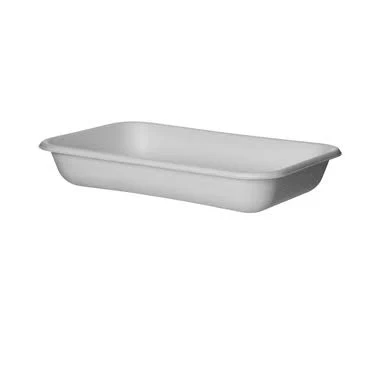
Eco-Products
WorldView Sugarcane Take-Out Containers
- Sugarcane bagasse (post-consumer fiber)
- A third party reports verifying it as PFAS-free
- Cellulose fiber degradation and food contact
2 hazards checked on this product, all on its full breakdown.
More food packaging grades
How we score, every product runs through the same public 0-100 rubric based on materials, coatings, brand disclosure, lab findings, and recalls. See the full methodology → Spotted a mistake? Report an error.