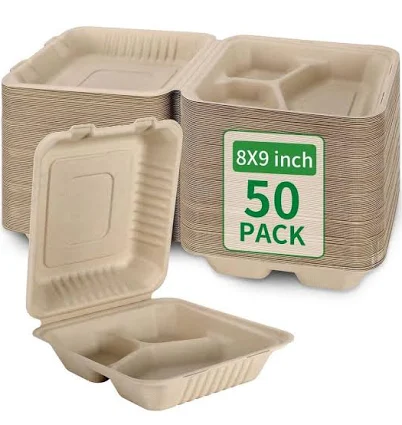
Anqtovp Compostable Bagasse Takeout Lunch Box Containers with Lids
Lower risk for the container, but check what the lid is made from.
Bagasse fiber itself carries lower PFAS risk than plastic or coated paper. The lid composition isn't clear and may include water-resistant treatments.
We flunk more products than we pass. This one earned its grade. How we grade
Material
Bagasse (sugarcane pulp fiber)
Brand disclosure
Brand is silent on PFAS
Lab data
No public lab test
You may also be interested in
Top-graded picks in the categories readers replace first, every one scored on the same rubric.

- polypropylene filter housing, carbon/sediment cartridge
- We found no PFAS statement from the brand
- Bacterial growth in spent cartridges
3 hazards checked on this product, all on its full breakdown.

Aquasure
Premier Series 75 GPD Under Sink Reverse Osmosis Water Filtration System
- RO membrane, carbon filters, stainless steel housing
- We found no PFAS statement from the brand
- Bacterial and microbial growth in housing and filters
4 hazards checked on this product, all on its full breakdown.

Avocado
Vegan Mattress
- organic cotton, natural latex, coconut coir, recycled steel coils
- The brand calls it PFAS-free, which we have not verified
- Heavy metals
2 hazards checked on this product, all on its full breakdown.
What Anqtovp Compostable Bagasse Takeout Lids is made of, ingredients and materials
Bagasse is the fibrous residue left after sugarcane juice extraction, pressed into pulp and molded into containers. Unlike polystyrene or conventional plastic, bagasse is a plant-based fiber matrix with no inherent plastic polymer structure, meaning it does not release BPA, phthalates, or other common plastic additives during normal food contact. The main concern is what coatings or binders are applied to the fiber to make it waterproof and grease-resistant, since these surface treatments can migrate into food under heat.
What’s concerning
Category baseline
The starting point for this type of product, before anything specific to this product is counted.
No PFAS disclosure
No public statement from the brand about PFAS in this product.
Coating leachables (unknown composition)
Bagasse waterproofing coatings are typically polymer-based adhesives or wax; if PFAS-free certification is absent, coating chemistry is unverified. Migration risk is low at ambient temperature but increases above 60 C or with fatty foods.
Formaldehyde / VOCs
Bagasse fiber is sometimes bonded with urea-formaldehyde or other resin binders to achieve structural integrity. No testing data is publicly available for Anqtovp containers; established bagasse suppliers vary widely in binder selection.
Source, ATSDR ↗Microplastic or fiber shedding
Bagasse fiber can shed loose particles, particularly if the container degrades or is damaged. Direct consumption risk is low, but shed fibers in food are undesirable and may indicate coating breakdown.
Mold or bacterial growth in storage
Bagasse is hygroscopic (absorbs moisture); if containers are stored in humid conditions or reused without full drying, microbial growth becomes possible. This is a storage and reuse hazard rather than a chemical one.
Unclear food-contact certification status
Anqtovp does not publicly disclose FDA compliance, EU food-contact approval, or similar regulatory clearance. Without certification or test reports, assumptions about lower concern materials cannot be verified for this specific brand.
What’s reassuring
Base material not linked to PFAS
The main material recorded for this product is not one associated with PFAS.
How is this PFAS grade calculated?
The brand's record and disclosure
Anqtovp and the broader bagasse container sector have minimal public disclosure records regarding coating chemistry or third-party food-contact certifications. No established safety recalls or testing controversies are on record for this brand or bagasse containers as a category. The silence on coating composition is a gap; reputable suppliers typically publish whether coatings are PFAS-free or disclose the adhesive/waterproofing agent used, which Anqtovp does not appear to do publicly.
How it compares in its category
Bagasse containers occupy a middle ground between compostable paper cartons and multi-use rigid plastics. They avoid the synthetic polymer leaching risks of polypropylene or polystyrene but retain slightly higher chemical uncertainty than uncoated kraft paper because waterproofing is essential for takeout use. Glass and stainless steel reusables have zero food-contact chemical risk but are heavier; conventional plastics are cheaper but carry BPA/phthalate exposure, especially if reheated.
If you buy it
Use for ambient and cool foods primarily; avoid microwaving or prolonged exposure to high heat (above 65 C / 150 F), which can accelerate any coating migration. Do not use for fatty or acidic foods repeatedly without replacement, as solvents in oils and acids may degrade the waterproof layer over time. Inspect containers for visible coating wear or discoloration before each use. Compost or dispose of after 2-3 months of regular use rather than attempting to re-wash and reuse indefinitely.
What is not known about PFAS in this product?
- Basis
- Model estimate, 72% confidence, not a lab result
- Lab test
- None on record for this exact product
- Brand statement
- Bagasse has made none
Formulations change between production runs, so check the current label. How we grade.
What are the PFAS-free alternatives to Anqtovp Compostable Bagasse Takeout Lunch Box Containers with Lids?
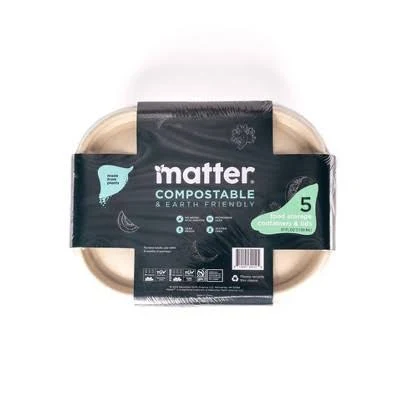
- Plant-based fiber pulp (compostable)
- A third party reports verifying it as PFAS-free
- Microbe/mold growth if stored damp
2 hazards checked on this product, all on its full breakdown.
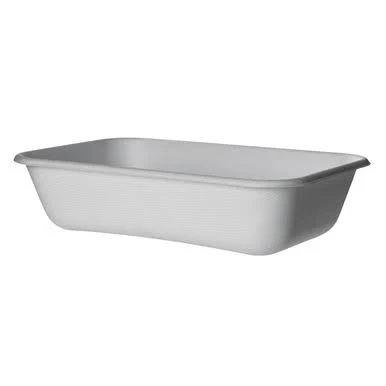
Eco-Products
Eco Products WorldView Compostable Take-Out Containers EP-SCRC32
- Plant-based fiber (compostable sugarcane bagasse)
- A third party reports verifying it as PFAS-free
- Bleaching agents and processing residues
3 hazards checked on this product, all on its full breakdown.
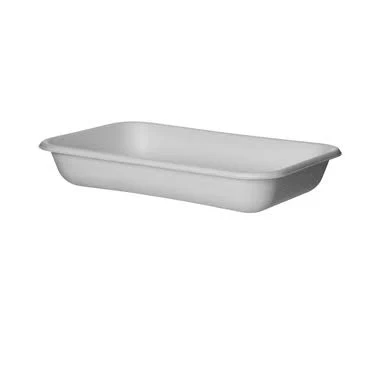
Eco-Products
WorldView Sugarcane Take-Out Containers
- Sugarcane bagasse (post-consumer fiber)
- A third party reports verifying it as PFAS-free
- Cellulose fiber degradation and food contact
2 hazards checked on this product, all on its full breakdown.
More food packaging grades
How we score, every product runs through the same public 0-100 rubric based on materials, coatings, brand disclosure, lab findings, and recalls. See the full methodology → Spotted a mistake? Report an error.