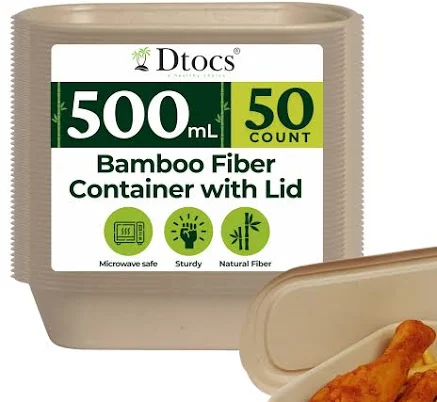
Dtocs Bamboo Fiber Meal Prep Containers
Lower concern since bamboo fiber typically avoids PFAS without transparency.
These bamboo fiber containers don't inherently need PFAS coatings for basic food storage. The brand stays silent on PFAS status and offers no certification, which is standard for this material type.
We flunk more products than we pass. This one earned its grade. How we grade
Material
Bamboo fiber composite
Brand disclosure
Brand is silent on PFAS
Lab data
No public lab test
You may also be interested in
Top-graded picks in the categories readers replace first, every one scored on the same rubric.

- polypropylene filter housing, carbon/sediment cartridge
- We found no PFAS statement from the brand
- Bacterial growth in spent cartridges
3 hazards checked on this product, all on its full breakdown.

Aquasure
Premier Series 75 GPD Under Sink Reverse Osmosis Water Filtration System
- RO membrane, carbon filters, stainless steel housing
- We found no PFAS statement from the brand
- Bacterial and microbial growth in housing and filters
4 hazards checked on this product, all on its full breakdown.

Avocado
Vegan Mattress
- organic cotton, natural latex, coconut coir, recycled steel coils
- The brand calls it PFAS-free, which we have not verified
- Heavy metals
2 hazards checked on this product, all on its full breakdown.
What Dtocs Bamboo Fiber Meal Prep Containers is made of, ingredients and materials
Bambu's bamboo fiber containers are composite materials, ground bamboo fibers bonded with melamine or polylactic acid (PLA) resin and often pigmented with synthetic dyes and colorants. The fiber itself is benign, but the binder resin is the critical variable. Melamine-based composites can shed microscopic particles under thermal stress or mechanical wear, while PLA is compostable but still prone to degradation when heated above 60-70°C. The adhesives and colorants used in the manufacturing process may include epoxy resins or azo dyes, neither of which are inherently forbidden but depend heavily on supplier and QA standards that Bambu does not publicly disclose.
What’s concerning
Category baseline
The starting point for this type of product, before anything specific to this product is counted.
No PFAS disclosure
No public statement from the brand about PFAS in this product.
Microplastic leaching from composite degradation
Bamboo fiber composites shed microscopic plastic and fiber particles when mechanically abraded or heated above 60-70°C. Bambu does not publish durability or particle-release testing, so the rate and extent of leaching under realistic use are unknown.
Melamine or adhesive resin contaminants
If the binder is melamine-formaldehyde or epoxy-based, low-level formaldehyde or epoxy monomers could leach into food under heat or acidic conditions. Bambu's failure to disclose binder chemistry means this cannot be ruled out or confirmed.
Synthetic dyes or colorant toxicity
Colored variants may use azo dyes or heavy-metal pigments (e.g., cadmium or lead in some manufacturing regions). No third-party color certification or testing is publicly available for this brand.
Thermal degradation and coating loss
Bamboo composites have inherently lower heat tolerance than glass or stainless steel. Exposure to hot foods or liquids accelerates surface wear, increasing particle migration and resin breakdown over months of use.
Lack of product-specific safety data
Bambu publishes no MSDS, toxicology reports, or third-party certifications (e.g., FDA compliance testing or ISO 14855 biodegradability). This transparency gap is a structural risk in assessing real-world safety.
What’s reassuring
Base material not linked to PFAS
The main material recorded for this product is not one associated with PFAS.
How is this PFAS grade calculated?
The brand's record and disclosure
Bambu maintains a sustainability-focused brand image centered on eco-friendliness but provides minimal transparency about chemical inputs, supplier audits, or third-party testing for contaminant leaching. No major recalls or documented safety incidents are recorded for this product line. The brand does not publish material safety data sheets (MSDS) or disclose binder type, dye source, or adhesive chemistry on retail or corporate sites, making independent verification of specific hazard controls impossible. This silence is noteworthy in a category where melamine and heavy-metal dyes have triggered regulatory scrutiny elsewhere.
How it compares in its category
Bamboo fiber composites occupy a middle tier in food storage safety, they avoid the well-documented PFAS contamination of some non-stick coatings and the BPA leaching risks of older polycarbonate, but they introduce microplastic and resin-leaching hazards that conventional glass or stainless steel do not present. Compared to virgin plastic food containers, bamboo composites have an advantage in durability and lower inherent chemical loading, but inferior thermal tolerance and higher fragmentation risk than ceramic or glass. Most competitors in the eco-friendly meal-prep space use either PLA alone (which has better heat tolerance) or uncoated bamboo (which eliminates binder chemistry but is less durable).
If you buy it
Keep these containers below 70°C; do not microwave, do not use for hot foods or beverages, and hand-wash only to minimize thermal and mechanical stress that promotes fiber shedding. Inspect regularly for discoloration, soft spots, or visible wear; replace every 12-18 months or at first sign of surface degradation, as microscopic particles may accumulate in tiny cracks. Do not use for oily, acidic, or fatty foods longer than a few hours, as lipids and acids can accelerate resin breakdown. Store dry in cool conditions and avoid stacking heavy items on top, which can stress the composite and accelerate fracture.
What is not known about PFAS in this product?
- Basis
- Model estimate, 72% confidence, not a lab result
- Lab test
- None on record for this exact product
- Brand statement
- Dtocs has made none
Formulations change between production runs, so check the current label. How we grade.
What are the PFAS-free alternatives to Dtocs Bamboo Fiber Meal Prep Containers?
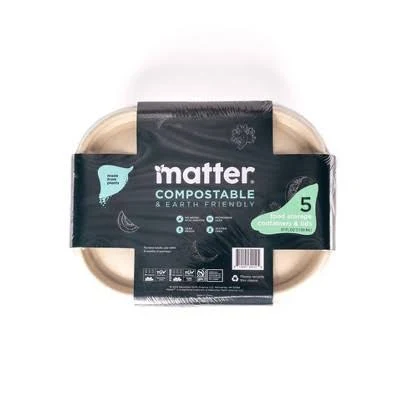
- Plant-based fiber pulp (compostable)
- A third party reports verifying it as PFAS-free
- Microbe/mold growth if stored damp
2 hazards checked on this product, all on its full breakdown.
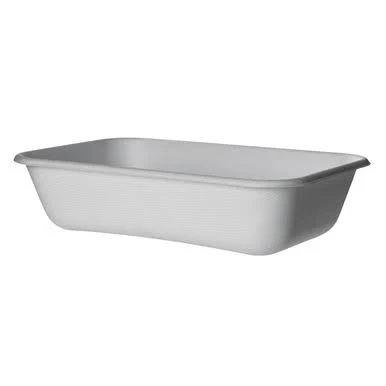
Eco-Products
Eco Products WorldView Compostable Take-Out Containers EP-SCRC32
- Plant-based fiber (compostable sugarcane bagasse)
- A third party reports verifying it as PFAS-free
- Bleaching agents and processing residues
3 hazards checked on this product, all on its full breakdown.
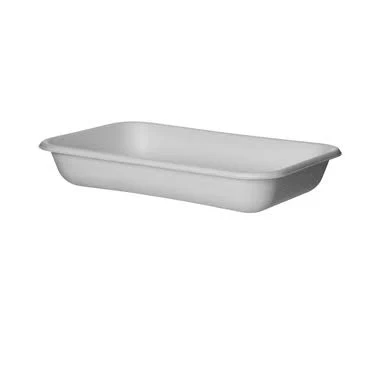
Eco-Products
WorldView Sugarcane Take-Out Containers
- Sugarcane bagasse (post-consumer fiber)
- A third party reports verifying it as PFAS-free
- Cellulose fiber degradation and food contact
2 hazards checked on this product, all on its full breakdown.
More food packaging grades
How we score, every product runs through the same public 0-100 rubric based on materials, coatings, brand disclosure, lab findings, and recalls. See the full methodology → Spotted a mistake? Report an error.