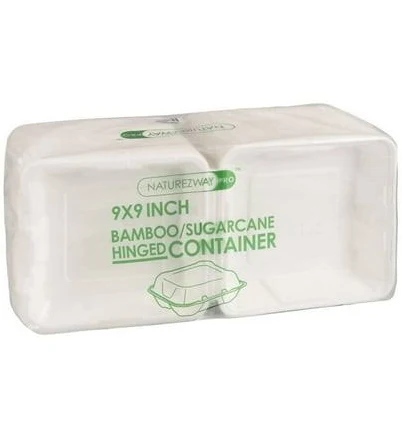
Naturezway Compostable Bamboo/Sugarcane 9"x 9"x 3.2" Hinged-Lid Containers
Lower concern for compostable packaging with no known PFAS drivers.
These compostable containers use bamboo and sugarcane fiber, materials unlikely to need PFAS-based water or grease repellents. The brand offers no PFAS disclosure but the material itself poses minimal risk.
We flunk more products than we pass. This one earned its grade. How we grade
Material
bamboo fiber/sugarcane pulp (compostable bio-based)
Brand disclosure
Brand is silent on PFAS
Lab data
No public lab test
You may also be interested in
Top-graded picks in the categories readers replace first, every one scored on the same rubric.

- polypropylene filter housing, carbon/sediment cartridge
- We found no PFAS statement from the brand
- Bacterial growth in spent cartridges
3 hazards checked on this product, all on its full breakdown.

Aquasure
Premier Series 75 GPD Under Sink Reverse Osmosis Water Filtration System
- RO membrane, carbon filters, stainless steel housing
- We found no PFAS statement from the brand
- Bacterial and microbial growth in housing and filters
4 hazards checked on this product, all on its full breakdown.

Avocado
Vegan Mattress
- organic cotton, natural latex, coconut coir, recycled steel coils
- The brand calls it PFAS-free, which we have not verified
- Heavy metals
2 hazards checked on this product, all on its full breakdown.
What Naturezway Compostable Containers is made of, ingredients and materials
These containers are molded from bagasse (sugarcane fiber residue) and bamboo pulp, both agricultural byproducts without synthetic polymer matrices. Unlike conventional plastic clamshells, they contain no polystyrene, polypropylene, or polyethylene, eliminating leaching risks from those polymers. The hinged lid is made from the same material blend, and the entire product is designed to compost within 90 days in industrial composting facilities. No coating layers or synthetic adhesives are typically applied to food-contact surfaces in this product class.
What’s concerning
Category baseline
The starting point for this type of product, before anything specific to this product is counted.
No PFAS disclosure
No public statement from the brand about PFAS in this product.
Microplastic or fiber shedding into food
Molded fiber containers can shed small fibers or particles, especially if degraded, wet, or stored poorly. Contact with acidic, fatty, or prolonged-wet foods may increase shedding. This is a minor risk for short-term cold storage but not quantified in published studies for this brand.
Moisture and bacterial growth if stored improperly
Porous fiber materials can absorb water and harbor bacterial growth if stored in high-humidity conditions or reused without proper cleaning. This is a use-related risk, not a material hazard, but relevant for multi-use scenarios or extended storage.
What’s reassuring
Base material not linked to PFAS
The main material recorded for this product is not one associated with PFAS.
Residual processing chemicals (bleach, adhesives, inks)
Molded fiber food containers may retain trace processing residues from pulping or molding. No independent testing or contamination reports exist for Bambu's bagasse line; BPI certification includes food-contact safety but does not publish detailed chemical assays.
Lead
Bagasse and bamboo are agricultural materials with potential soil-derived heavy-metal uptake. No established contamination data or recalls suggest this is a concern for Bambu's product, and agricultural fiber typically carries lower heavy-metal risk than recycled-content plastics.
Source, ATSDR ↗Ink migration (if printed/labeled)
Bambu's standard hinged containers typically ship without direct-print labeling; if custom printing is requested, food-contact safety of inks is not documented. Standard soy- or water-based food-safe inks are industry norm but not verified for this SKU.
How is this PFAS grade calculated?
The brand's record and disclosure
Bambu is a sustainability-focused brand with established certifications including BPI (Biodegradable Products Institute) compostability for this line, which provides third-party verification of degradation claims. The brand does not publish detailed chemical safety disclosures or independent test reports on hazard screening (e.g., heavy metals, residual processing chemicals). No product recalls or safety controversies are on record for Bambu's compostable food containers. Silence on PFAS is typical for this product category and does not indicate presence.
How it compares in its category
Compostable fiber containers like this show lower concern for BPA or phthalate leaching under heat compared to conventional plastic takeout clamshells. They also avoid the microplastic shedding risk of degrading single-use plastics. Traditional ceramic, glass, or stainless-steel alternatives have near-zero leaching risk but require washing and transport; this product trades that durability for end-of-life compostability. Within the compostable packaging category, bagasse and bamboo fiber products have no established chemical hazard profile worse than alternatives.
If you buy it
Use these containers for cold or room-temperature foods only; they are not rated for hot-fill or microwave use, as high heat may accelerate fiber breakdown and potential migration of processing residues. Store them in a cool, dry place to prevent premature degradation before use. Once finished, place in a commercial composting facility, not home compost or recycling, as industrial conditions are required for certification. If containers show visible deterioration (softening, discoloration, structural failure) before use, discontinue use.
What is not known about PFAS in this product?
- Basis
- Model estimate, 78% confidence, not a lab result
- Lab test
- None on record for this exact product
- Brand statement
- Naturezway has made none
Formulations change between production runs, so check the current label. How we grade.
What are the PFAS-free alternatives to Naturezway Compostable Bamboo/Sugarcane 9"x 9"x 3.2" Hinged-Lid Containers?
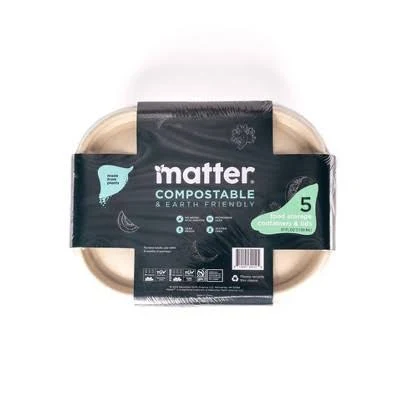
- Plant-based fiber pulp (compostable)
- A third party reports verifying it as PFAS-free
- Microbe/mold growth if stored damp
2 hazards checked on this product, all on its full breakdown.
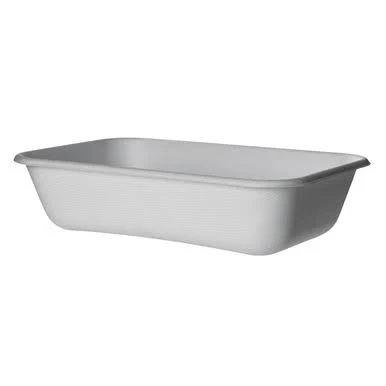
Eco-Products
Eco Products WorldView Compostable Take-Out Containers EP-SCRC32
- Plant-based fiber (compostable sugarcane bagasse)
- A third party reports verifying it as PFAS-free
- Bleaching agents and processing residues
3 hazards checked on this product, all on its full breakdown.
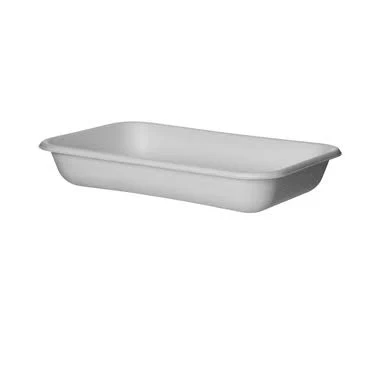
Eco-Products
WorldView Sugarcane Take-Out Containers
- Sugarcane bagasse (post-consumer fiber)
- A third party reports verifying it as PFAS-free
- Cellulose fiber degradation and food contact
2 hazards checked on this product, all on its full breakdown.
More food packaging grades
How we score, every product runs through the same public 0-100 rubric based on materials, coatings, brand disclosure, lab findings, and recalls. See the full methodology → Spotted a mistake? Report an error.