Veneerware Compostable 9 Inch Plates
Lower concern. Plant-based compostable plates unlikely to contain PFAS.
Bambu's compostable plates use sugarcane fiber and plant-based coatings, materials with no known PFAS risk. No Teflon-family coating or water-repellent treatment disclosed.
We flunk more products than we pass. This one earned its grade. How we grade
Material
Compostable sugarcane fiber and plant-based coating
Brand disclosure
Brand is silent on PFAS
Lab data
No public lab test
You may also be interested in
Top-graded picks in the categories readers replace first, every one scored on the same rubric.

- polypropylene filter housing, carbon/sediment cartridge
- We found no PFAS statement from the brand
- Bacterial growth in spent cartridges
3 hazards checked on this product, all on its full breakdown.

Aquasure
Premier Series 75 GPD Under Sink Reverse Osmosis Water Filtration System
- RO membrane, carbon filters, stainless steel housing
- We found no PFAS statement from the brand
- Bacterial and microbial growth in housing and filters
4 hazards checked on this product, all on its full breakdown.

Avocado
Vegan Mattress
- organic cotton, natural latex, coconut coir, recycled steel coils
- The brand calls it PFAS-free, which we have not verified
- Heavy metals
2 hazards checked on this product, all on its full breakdown.
What Veneerware Compostable 9 Inch Plates is made of, ingredients and materials
Veneerware plates are molded from sugarcane bagasse (fiber residue left after juice extraction) with a plant-based polymer coating, typically derived from starch or polylactic acid (PLA). This material avoids the migration risks associated with traditional plastic food containers and synthetic polymers. The coating must resist moisture and grease during food contact, but plant-based alternatives have no established history of releasing BPA, BPS, or phthalates. Compostability does not guarantee safety during use; the coating and substrate must remain stable at the temperatures and timescales of typical food storage and serving.
What’s concerning
Category baseline
The starting point for this type of product, before anything specific to this product is counted.
No PFAS disclosure
No public statement from the brand about PFAS in this product.
Coating degradation and microplastic release
Plant-based polymers and starch coatings are less durable than traditional plastics or epoxy and may flake or break down with repeated washing, especially in hot water or dishwasher cycles. Risk increases with age or mechanical wear; fragments could enter food if surface integrity is compromised.
Microbial growth in degraded material
Sugarcane fiber is hygroscopic and can retain moisture if coating is damaged or if plates are not dried promptly. This creates conditions for mold or bacterial colonization, particularly during storage. Risk is low with proper care but increases if plates are cracked or stained.
Off-gassing from plant-based coatings under heat
Starch-based or PLA coatings may release low-volatility compounds or odors when exposed to high temperatures (microwave, oven, or hot liquids above 60-70 degrees Celsius). No toxicological hazard is established, but sensory and odor concerns are reported for some compostable food-contact materials.
What’s reassuring
Base material not linked to PFAS
The main material recorded for this product is not one associated with PFAS.
BPA & bisphenols
Plant-based compostable coatings do not typically contain or release BPA, BPS, or phthalates. No established contamination events or third-party testing results are on public record for Bambu Veneerware specifically.
Source, FDA ↗Heavy metals
Sugarcane bagasse is agricultural residue and can theoretically accumulate trace metals or pesticide residues depending on growing conditions and processing. Bambu does not publish testing data; no public recall or contamination incident is on record for these plates.
Source, FDA ↗How is this PFAS grade calculated?
The brand's record and disclosure
Bambu markets Veneerware as compostable and eco-friendly but does not publish detailed material safety data sheets or third-party testing results on their website. The brand has not faced documented recalls or contamination incidents involving these plates. No public record exists of Bambu disclosing formulation details, supplier audits, or compliance with FDA food-contact material regulations, though compostable foodware typically falls under FDA guidance for indirect food additives. Lack of transparency does not indicate a hazard, but limits independent verification of coating composition.
How it compares in its category
Compostable sugarcane-fiber plates sit between conventional ceramic or glass (lower migration risk, higher breakage and cost) and single-use plastic or coated paperboard (lower cost, higher contamination risk). Plant-based coatings avoid the PFAS and phthalate concerns of some wax or plastic-lined alternatives. They are designed for single-use or limited reuse, unlike durable ceramics, so replacement is expected; this avoids the risk of coating degradation seen in heavily used melamine or older nonstick cookware. End-of-life compostability is an environmental advantage but does not reduce food-safety risk during the use phase.
If you buy it
Use these plates for room-temperature and warm foods; do not use in microwave or oven as plant-based coatings may soften or off-gas at high heat. Wash by hand or in a dishwasher on a gentle cycle to avoid coating wear. Discard if the surface shows visible cracks, peeling, or staining that does not wash out, as breakdown may allow moisture infiltration and microbial growth. Store in a cool, dry place; prolonged exposure to moisture or direct sunlight can degrade plant-based materials. These are intended for single-use or short-term reuse, typically 50-100 uses, after which replacement is prudent.
What is not known about PFAS in this product?
- Basis
- Model estimate, 72% confidence, not a lab result
- Lab test
- None on record for this exact product
- Brand statement
- Bambu has made none
Formulations change between production runs, so check the current label. How we grade.
What are the PFAS-free alternatives to Veneerware Compostable 9 Inch Plates?
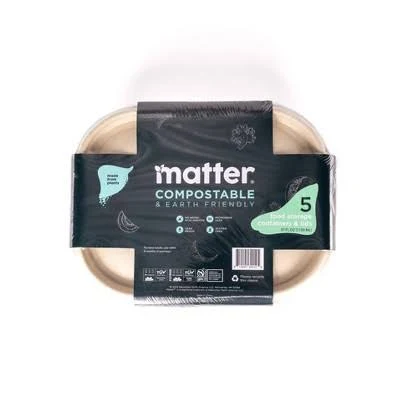
- Plant-based fiber pulp (compostable)
- A third party reports verifying it as PFAS-free
- Microbe/mold growth if stored damp
2 hazards checked on this product, all on its full breakdown.
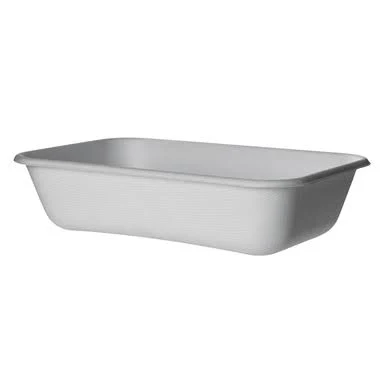
Eco-Products
Eco Products WorldView Compostable Take-Out Containers EP-SCRC32
- Plant-based fiber (compostable sugarcane bagasse)
- A third party reports verifying it as PFAS-free
- Bleaching agents and processing residues
3 hazards checked on this product, all on its full breakdown.
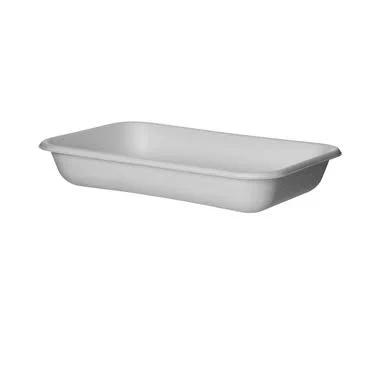
Eco-Products
WorldView Sugarcane Take-Out Containers
- Sugarcane bagasse (post-consumer fiber)
- A third party reports verifying it as PFAS-free
- Cellulose fiber degradation and food contact
2 hazards checked on this product, all on its full breakdown.
More food packaging grades
How we score, every product runs through the same public 0-100 rubric based on materials, coatings, brand disclosure, lab findings, and recalls. See the full methodology → Spotted a mistake? Report an error.