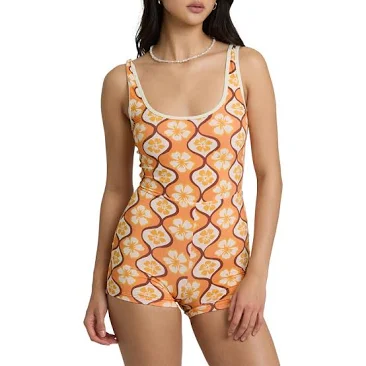
Billabong Sol Groove Retro Surf One
Lower PFAS concern for basic polyester swim shirt, no brand transparency.
The Sol Groove is standard polyester swim apparel with no documented water-repellent or stain-resistant treatment. Billabong provides no PFAS disclosures, though basic polyester swimwear typically carries lower PFAS risk.
The better-graded swap
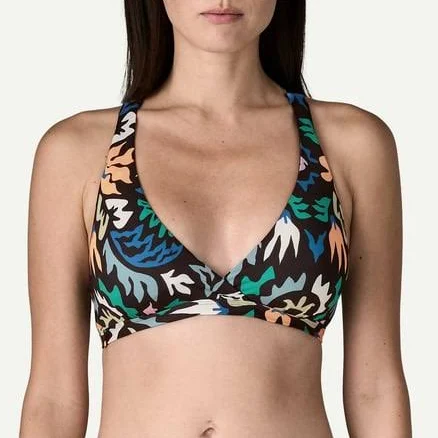
Patagonia
Patagonia Women's Bottom Turn Racerback Bikini Top
90/100 safety
Same rubric that flunked this product. The swap earned Excellent.
Still want this one anyway? Check the price on Amazon. We’d swap it.
Material
Polyester swim/surf fabric
Brand disclosure
Brand is silent on PFAS
Lab data
No public lab test
You may also be interested in
Top-graded picks in the categories readers replace first, every one scored on the same rubric.

Aqua Pure
3M Aqua-Pure AP802B Whole House Filter Housing
- polypropylene filter housing, carbon/sediment cartridge
- We found no PFAS statement from the brand
- Bacterial growth in spent cartridges
3 hazards checked on this product. See all of them.

Aquasure
Premier Series 75 GPD Under Sink Reverse Osmosis Water Filtration System
- RO membrane, carbon filters, stainless steel housing
- We found no PFAS statement from the brand
- Bacterial and microbial growth in housing and filters
4 hazards checked on this product. See all of them.

Avocado
Vegan Mattress
- organic cotton, natural latex, coconut coir, recycled steel coils
- The brand calls it PFAS-free, which we have not verified
- Heavy metals
2 hazards checked on this product. See all of them.
What Billabong Sol Groove Retro Surf One is made of, ingredients and materials
The Billabong Sol Groove is a polyester-blend swim shirt, a synthetic polymer chosen for durability, quick-dry properties, and stretch. Polyester itself is chemically stable during normal wear, but the finishing treatments applied during manufacture (dyes, resins, coatings) are where chemical concerns arise. The 'retro' aesthetic and sun-protective design suggest UV-blocking additives or finishes, which typically add minimal hazard but require verification of specific formulations.
What’s concerning
Category baseline
The starting point for this type of product, before anything specific to this product is counted.
No PFAS disclosure
No public statement from the brand about PFAS in this product.
Heavy metals
Polyester swim fabric requires disperse dyes, which historically have included azo compounds and trace heavy metals (cadmium, lead). No specific test data for Billabong Sol Groove is public; however, the retro color palette (often bright or dark) suggests heavier dye loading than minimal-color alternatives. Standard textile regulations (OEKO-TEX, REACH) set limits, but Billabong's lack of third-pa
Source, FDA ↗Formaldehyde / VOCs
UV-protective and water-repellent coatings on polyester swim shirts often use formaldehyde-based resins to improve durability and elastic recovery. No formaldehyde emissions or restricted-substance list has been published by Billabong for this product. Pre-wear washing significantly reduces residual formaldehyde exposure, making fresh-from-bag risk low for most consumers.
Source, ATSDR ↗Antimony trioxide in polyester fiber
Polyester is frequently produced using antimony trioxide as a catalyst and flame-retardant agent. Antimony can leach from the fiber matrix under extreme heat or acidic conditions, but this risk is negligible during normal swim wear and care. Standard polyester swimwear regulations permit antimony at regulated levels; Billabong does not publish fiber sourcing or processing data to confirm complianc
Elastic degradation and microfiber shedding
Polyester-spandex blended swimwear is known to shed microfibers during washing, particularly in the first 5-10 washes and as the garment ages. This is a category-wide issue, not Billabong-specific, but post-consumer textile pollution is documented. Using a mesh wash bag reduces shedding and extends garment life.
Coating breakdown from chlorine or saltwater
UV-blocking and water-repellent surface treatments on swim shirts can degrade when exposed to chlorine or high salt concentrations, potentially releasing finish particles or polymeric byproducts. This is manageable through post-swim rinsing and is not a hazard unique to Billabong, but important for users in heavily chlorinated or saltwater environments.
What’s reassuring
Base material not linked to PFAS
The main material recorded for this product is not one associated with PFAS.
The full breakdown
The brand's record and disclosure
Billabong is a large action-sports brand owned by Boardriders Inc. The company has not published detailed chemical disclosure or PFAS elimination statements as of public record, meaning transparency is limited. No major recalls or established chemical safety controversies specific to Billabong swimwear have been widely documented, but the brand's silence on PFAS and restricted substance lists reflects industry-standard opacity rather than exemplary practice. For comparison, some competitors (Patagonia, Allbirds) publish detailed restricted substance lists; Billabong does not.
How it compares in its category
Mass-market polyester swim shirts like this one are chemically comparable to most retail alternatives; Billabong sits in the mainstream price and safety tier, not premium-transparency (Patagonia) or budget-minimal (generic retailers). Polyester shows lower concern than older nylon or lycra blends regarding heavy-metal dyes, but offers no inherent advantage over newer eco-branded competitors. The 'sol' (sun-protective) finish adds mild processing complexity but is standard for UV-blocking swimwear across brands.
If you buy it
Wash the shirt in cool water before first wear to remove excess dyes and finishes; this is especially important for darker colors. Line dry or use low heat to avoid polymer degradation and preserve water resistance coatings. Replace when fabric pilling, seam fraying, or elastic loss occurs, typically after 50-100 wears with regular care. Avoid prolonged chlorine immersion if possible, as it can accelerate coating breakdown; rinse immediately after pool or saltwater use.
What we don’t know
- Basis
- Model estimate, 65% confidence, not a lab result
- Lab test
- None on record for this exact product
- Brand statement
- Billabong has made none
Formulations change between production runs, so check the current label. How we grade.
Better-graded alternatives in Swimwear
Patagonia
Women's Bottom Turn Racerback Bikini Top
- Nylon/polyester blend with elastane (standard swimwear)
- The brand calls it PFAS-free, which we have not verified
- Elastane (spandex) degradation under heat or chlorine
More swimwear grades
How we score, every product runs through the same public 0-100 rubric based on materials, coatings, brand disclosure, lab findings, and recalls. See the full methodology → Spotted a mistake? Report an error.