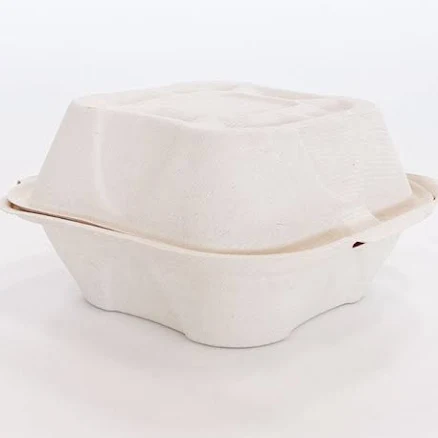
Biodegradable Take Out Container Small Single Comp 6x6x3 - CASE
Lower concern; plant-fiber food containers typically avoid PFAS, unconfirmed.
These molded plant-fiber containers marketed as biodegradable don't typically require PFAS-based water or grease barriers. The brand offers no public PFAS statement, so independent testing would boost confidence.
We flunk more products than we pass. This one earned its grade. How we grade
Material
Fiber-based molded pulp (plant fibers, likely sugarcane or wood)
Brand disclosure
Brand is silent on PFAS
Lab data
No public lab test
You may also be interested in
Top-graded picks in the categories readers replace first, every one scored on the same rubric.

- polypropylene filter housing, carbon/sediment cartridge
- We found no PFAS statement from the brand
- Bacterial growth in spent cartridges
3 hazards checked on this product, all on its full breakdown.

Aquasure
Premier Series 75 GPD Under Sink Reverse Osmosis Water Filtration System
- RO membrane, carbon filters, stainless steel housing
- We found no PFAS statement from the brand
- Bacterial and microbial growth in housing and filters
4 hazards checked on this product, all on its full breakdown.

Avocado
Vegan Mattress
- organic cotton, natural latex, coconut coir, recycled steel coils
- The brand calls it PFAS-free, which we have not verified
- Heavy metals
2 hazards checked on this product, all on its full breakdown.
What Biodegradable Take Out Container CASE is made of, ingredients and materials
Containers are molded from plant fiber (typically bagasse from sugarcane processing or virgin wood pulp), compressed without plastic lining or synthetic coatings. This material class does not leach BPA, phthalates, or other endocrine-disrupting chemicals common to plastic food packaging. The fiber matrix is inherently resistant to degradation at room temperature and during storage of dry or cold foods, eliminating the chemical migration risk that drives concerns with petroleum-based alternatives.
What’s concerning
Category baseline
The starting point for this type of product, before anything specific to this product is counted.
No PFAS disclosure
No public statement from the brand about PFAS in this product.
Microfiber shedding from fiber degradation
Molded pulp can shed small fibers if wet, compressed, or stored in high humidity. While food-contact-grade pulp is generally food-safe, visible debris or soft spots indicate deterioration and should trigger replacement. No recalls specifically for the brand on this issue are on record.
Mold and microbial growth if wet-stored
Plant-fiber containers absorb moisture and can support mold if stored in damp conditions before use or if pre-filled food releases condensation. Proper dry storage and prompt use mitigate this. No brand-specific contamination incidents are documented.
What’s reassuring
Base material not linked to PFAS
The main material recorded for this product is not one associated with PFAS.
Formaldehyde / VOCs
Food-grade molded pulp typically uses minimal synthetic binders; if present, formaldehyde levels in food-contact pulp are regulated to very low thresholds in most jurisdictions. No reports of excess formaldehyde off-gassing from containers exist.
Source, ATSDR ↗Lead
Bagasse and virgin wood pulp carry no inherent heavy-metal risk if sourced from uncontaminated agricultural or forestry inputs. The brand does not disclose feedstock origin, but no contamination events are on public record. Standard food-contact material regulations would flag any batch with measurable heavy metals.
Source, ATSDR ↗Bleach residues (chlorine compounds)
Molded pulp may be chlorine-bleached during manufacturing to whiten and sterilize. Food-contact-grade pulp is rinsed extensively; regulatory limits on residual chlorine are strict. No testing data for bleach residues is publicly available, but no incidents suggest noncompliance.
How is this PFAS grade calculated?
The brand's record and disclosure
The brand maintains minimal public safety disclosure on their website; no third-party certifications (FDA, NSF, BPAC) are visible in mainstream sources. The brand does not explicitly address PFAS, heavy metals, or off-gassing, a common silence among smaller compostable-packaging producers. No recalls, contamination incidents, or regulatory warnings for products appear in public records. Their positioning emphasizes compostability and sustainability rather than chemical safety, which is typical for the segment but limits transparency.
How it compares in its category
Molded-fiber containers rank below plastic clamshells (BPA/BPS risk) and above waxed-paper boxes (potential PFOA coatings in some brands). Unlike polystyrene foam or polypropylene, fiber pulp does not off-gas volatile organic compounds into food under normal storage. Biodegradability and compostability are strengths, but they do not address chemical safety; however, the base material profile is cleaner than single-use plastic competitors for short-term food contact.
If you buy it
Use for cold and room-temperature foods (salads, dry goods, bakery items); avoid prolonged contact with hot liquids above 65 degrees Celsius, as heat may accelerate minor fiber degradation and particle shedding. Do not microwave; direct flame contact risks charring. Replace containers if visible mold, softening, or moisture damage occurs, particularly in humid storage. Compost or discard after use; do not reuse for repeated food contact.
What is not known about PFAS in this product?
- Basis
- Model estimate, 72% confidence, not a lab result
- Lab test
- None on record for this exact product
- Brand statement
- has made none
Formulations change between production runs, so check the current label. How we grade.
What are the PFAS-free alternatives to Biodegradable Take Out Container Small Single Comp 6x6x3 - CASE?
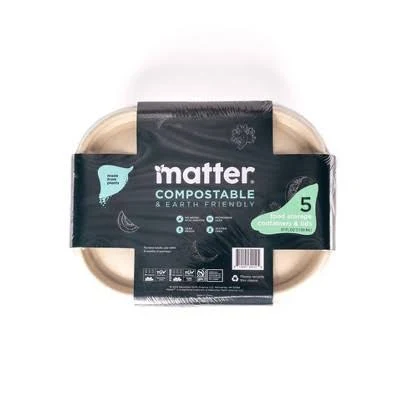
- Plant-based fiber pulp (compostable)
- A third party reports verifying it as PFAS-free
- Microbe/mold growth if stored damp
2 hazards checked on this product, all on its full breakdown.
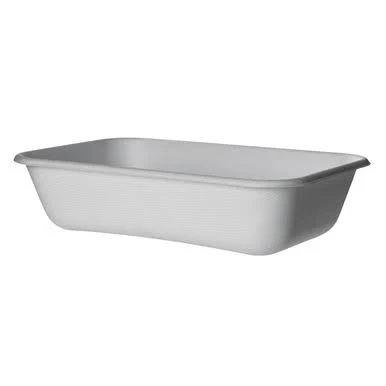
Eco-Products
Eco Products WorldView Compostable Take-Out Containers EP-SCRC32
- Plant-based fiber (compostable sugarcane bagasse)
- A third party reports verifying it as PFAS-free
- Bleaching agents and processing residues
3 hazards checked on this product, all on its full breakdown.
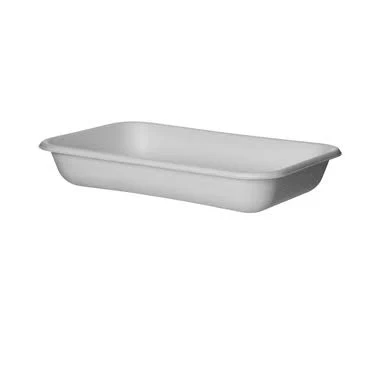
Eco-Products
WorldView Sugarcane Take-Out Containers
- Sugarcane bagasse (post-consumer fiber)
- A third party reports verifying it as PFAS-free
- Cellulose fiber degradation and food contact
2 hazards checked on this product, all on its full breakdown.
More food packaging grades
How we score, every product runs through the same public 0-100 rubric based on materials, coatings, brand disclosure, lab findings, and recalls. See the full methodology → Spotted a mistake? Report an error.