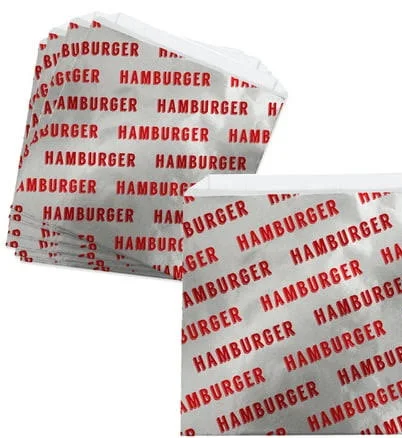
Avant Cheeseburger Wrappers
Skip until reveals packaging coating composition.
Wrapper coatings resist grease, a classic PFAS application in food packaging. The brand discloses nothing about composition.
Still want this one anyway? Check the price on Amazon. We’d swap it.
Material
paper with grease-resistant coating
Brand disclosure
Brand is silent on PFAS
Lab data
No public lab test
You may also be interested in
Top-graded picks in the categories readers replace first, every one scored on the same rubric.

- polypropylene filter housing, carbon/sediment cartridge
- We found no PFAS statement from the brand
- Bacterial growth in spent cartridges
3 hazards checked on this product, all on its full breakdown.

Aquasure
Premier Series 75 GPD Under Sink Reverse Osmosis Water Filtration System
- RO membrane, carbon filters, stainless steel housing
- We found no PFAS statement from the brand
- Bacterial and microbial growth in housing and filters
4 hazards checked on this product, all on its full breakdown.

Avocado
Vegan Mattress
- organic cotton, natural latex, coconut coir, recycled steel coils
- The brand calls it PFAS-free, which we have not verified
- Heavy metals
2 hazards checked on this product, all on its full breakdown.
What Avant Cheeseburger Wrappers is made of, ingredients and materials
Avant Cheeseburger Wrappers are paper-based food contact packaging with a grease-resistant coating, typical of fast-food burger wrapping. The coating's composition is not publicly disclosed by the brand, which is the primary concern, grease-resistant coatings on food packaging historically relied on fluorinated compounds (PFAS) or, less commonly, silicones or wax blends. Without transparency from the brand, the specific chemistry of the coating cannot be verified. Paper itself is generally low-hazard, but the coating determines food safety risk.
What’s concerning
Category baseline
The starting point for this type of product, before anything specific to this product is counted.
No PFAS disclosure
No public statement from the brand about PFAS in this product.
Waterproof / stain-resistant treatment
Water-repellent coating treatments have historically used PFAS.
PFAS
The brand's refusal to disclose coating composition and historical industry reliance on PFAS in burger wrappers makes fluorinated compounds likely present, though not confirmed. PFAS can migrate into fatty foods like cheese and meat.
Source, ATSDR ↗Non-fluorinated coating leachates (if silicone or proprietary alternative)
If the coating is silicone or a proprietary non-PFAS alternative, migration of oligomers or additives into food is possible under warm or fatty conditions. No specific studies on Avant wrapper composition are publicly available.
Ink or adhesive contamination from printing
Branding and graphics on the wrapper may use inks or adhesives; if these contact the interior food surface, heavy metals or solvents could leach, though food-grade standards typically limit this risk.
Thermal degradation of coating during hot-food contact
Grease-resistant coatings can degrade when exposed to hot, fatty foods, releasing breakdown products into the meal. The temperature profile of a fresh cheeseburger in contact with the wrapper creates conditions for potential leaching.
Microplastic or coating particle shedding
If the coating is synthetic or poorly adhered to the paper substrate, mechanical wear from handling or food friction could release microscopic particles into the food, though visible contamination would be noticeable.
How is this PFAS grade calculated?
The brand's record and disclosure
The brand has not publicly disclosed the coating chemistry of its food packaging or committed to PFAS-free alternatives across its supply chain. The company has not achieved certifications like Cradle to Cradle or sustainable packaging standards that would signal independent verification of coating safety. As of available public records, the brand has not responded to industry pressure regarding fluorinated packaging coatings, placing it behind competitors who have made explicit commitments to phase out PFAS in food contact materials.
How it compares in its category
Most major quick-service restaurant chains (McDonald's, Wendy's) have begun phasing PFAS out of food packaging or publicly committed to coatings with lower PFAS concern; The brand's silence suggests continued use of conventional fluorinated or undisclosed coatings. Paper-based burger wrappers without grease-resistant coating (uncoated kraft) or those using plant-based wax alternatives exist as lower-risk options but are less common in fast-casual settings. The brand's lack of transparency is a competitive weakness relative to chains pursuing documented safer-coating transitions.
If you buy it
If you cannot avoid this product, minimize exposure by removing food from the wrapper as soon as possible and not allowing it to contact the paper during transport or eating. Do not heat or microwave food in the original wrapper, as this can increase leaching of coating compounds into food. Avoid letting greasy or acidic foods (cheese, sauces) sit in contact with the wrapper for extended periods. To reduce concern, request paper-wrapped items without grease-resistant coating or switch to chains offering documented lower-concern packaging.
What is not known about PFAS in this product?
- Basis
- Model estimate, 35% confidence, not a lab result
- Lab test
- None on record for this exact product
- Brand statement
- has made none
Formulations change between production runs, so check the current label. How we grade.
More fast-casual food packaging grades
How we score, every product runs through the same public 0-100 rubric based on materials, coatings, brand disclosure, lab findings, and recalls. See the full methodology → Spotted a mistake? Report an error.