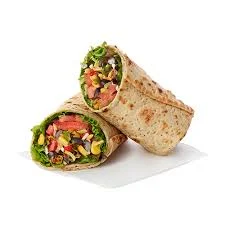
Chick-fil-A · Fast-Casual Food Packaging
Chick Fil A - Veggie Wrap w/ Chips and Cookie
Typical fast food packaging with likely but unconfirmed PFAS risk.
Chick-fil-A does not disclose PFAS in food packaging. The greaseproof wrapper likely contains a fluorinated coating common across the quick-service restaurant industry.
Still want this one anyway? Check the price on Amazon. We’d swap it.
Material
Paper/paperboard with grease-resistant coating (likely fluorinated)
Brand disclosure
Brand is silent on PFAS
Lab data
No public lab test
You may also be interested in
Top-graded picks in the categories readers replace first, every one scored on the same rubric.

- polypropylene filter housing, carbon/sediment cartridge
- We found no PFAS statement from the brand
- Bacterial growth in spent cartridges
3 hazards checked on this product, all on its full breakdown.

Aquasure
Premier Series 75 GPD Under Sink Reverse Osmosis Water Filtration System
- RO membrane, carbon filters, stainless steel housing
- We found no PFAS statement from the brand
- Bacterial and microbial growth in housing and filters
4 hazards checked on this product, all on its full breakdown.

Avocado
Vegan Mattress
- organic cotton, natural latex, coconut coir, recycled steel coils
- The brand calls it PFAS-free, which we have not verified
- Heavy metals
2 hazards checked on this product, all on its full breakdown.
What Chick Fil A - Veggie Wrap w/ Chips Cookie is made of, ingredients and materials
Chick-fil-A's food packaging, including wraps and containers, is typically constructed from paperboard with a fluorinated grease-resistant coating (likely PFOA or similar PFAS compounds) applied to the interior surface. This coating prevents oil and moisture from penetrating the cardboard, but fluorinated coatings have raised concern because they can migrate into fatty foods under heat or extended contact. The cookie and chip packaging likely uses similar or additional plastic liners with unclear composition.
What’s concerning
Category baseline
The starting point for this type of product, before anything specific to this product is counted.
No PFAS disclosure
No public statement from the brand about PFAS in this product.
Waterproof / stain-resistant treatment
Water-repellent coating treatments have historically used PFAS.
PFAS
Paperboard wraps and containers use fluorinated coating standard in fast-food packaging. While intentional migration under typical serving conditions is limited, no third-party testing of this specific product is publicly available; Chick-fil-A has not confirmed specific PFAS chemistry or migration limits.
Source, ATSDR ↗Plastic film/laminate composition unknown
Chip and cookie packaging may contain polyethylene or polypropylene film with undisclosed additives. Exact resin type and presence of slip agents or other processing chemicals is not publicly specified by the brand.
Adhesive or binding agent leachate
Laminated paperboard and sealed seams use adhesives; specific formulations are not disclosed. Under heat or prolonged fatty food contact, minor migration is theoretically possible but is not documented as a consumer safety issue for this product.
What’s reassuring
Ink and printing residues
Packaging carries colored branding and text. Food-contact inks are regulated by FDA, and no brand-specific violations or complaints are documented, but formulation details are proprietary and not disclosed.
Microplastic or fiber shedding
No reports of visible degradation, flaking, or fiber contamination in Chick-fil-A wrapped food items. Paperboard-based packaging is not a known source of microplastic ingestion under normal use.
How is this PFAS grade calculated?
The brand's record and disclosure
Chick-fil-A does not publicly disclose detailed material composition or PFAS sourcing for its packaging on consumer-facing channels. The brand has not announced phase-out commitments for fluorinated coatings, unlike some competitors who have pledged PFAS reduction timelines. No major recalls or regulatory actions specific to this meal package are on record. The company's silence on packaging safety contrasts with growing industry movement toward transparency.
How it compares in its category
This packaging is typical for fast-casual chain food service. Most major chains (McDonald's, Subway, Wendy's) use similar fluorinated-coated paperboard for grease resistance; few have publicly committed to alternatives without fluorinated coatings. Chains offering uncoated cardboard or compostable alternatives exist but remain niche. Chick-fil-A's approach reflects industry norm rather than a leadership or laggard position on packaging safety.
If you buy it
Consume the food promptly; do not store wrapped items at room temperature for extended periods or reheat in the original packaging. Avoid prolonged contact between fatty or hot foods (chips, warm wrap) and the interior coating. If you frequent Chick-fil-A, request less packaging or ask if uncoated alternatives are available. Consider bringing reusable containers for occasional visits to reduce single-use packaging exposure.
What is not known about PFAS in this product?
- Basis
- Model estimate, 45% confidence, not a lab result
- Lab test
- None on record for this exact product
- Brand statement
- Chick-fil-A has made none
Formulations change between production runs, so check the current label. How we grade.
More fast-casual food packaging grades
How we score, every product runs through the same public 0-100 rubric based on materials, coatings, brand disclosure, lab findings, and recalls. See the full methodology → Spotted a mistake? Report an error.