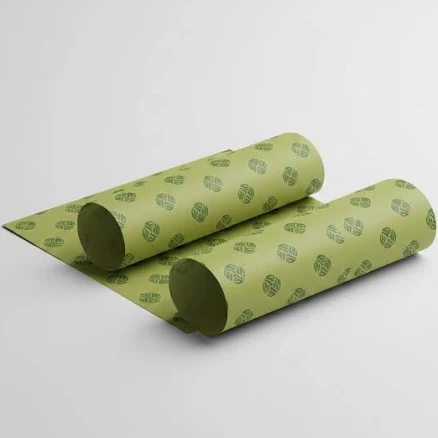
Fast Food Paper
Grease-resistant coating chemistry not stated on record.
Fast food paper typically uses water-repellent coatings. The brand has not disclosed the chemistry of the coating on this product or made a public PFAS statement about it.
Still want this one anyway? Check the price on Amazon. We’d swap it.
Material
Paper with grease-resistant coating
Brand disclosure
Brand is silent on PFAS
Lab data
No public lab test
You may also be interested in
Top-graded picks in the categories readers replace first, every one scored on the same rubric.

- polypropylene filter housing, carbon/sediment cartridge
- We found no PFAS statement from the brand
- Bacterial growth in spent cartridges
3 hazards checked on this product, all on its full breakdown.

Aquasure
Premier Series 75 GPD Under Sink Reverse Osmosis Water Filtration System
- RO membrane, carbon filters, stainless steel housing
- We found no PFAS statement from the brand
- Bacterial and microbial growth in housing and filters
4 hazards checked on this product, all on its full breakdown.

Avocado
Vegan Mattress
- organic cotton, natural latex, coconut coir, recycled steel coils
- The brand calls it PFAS-free, which we have not verified
- Heavy metals
2 hazards checked on this product, all on its full breakdown.
What Fast Food Paper is made of, ingredients and materials
The brand's fast-food paper is a cellulose-based substrate treated with a water and grease-resistant coating to withstand moisture and oily foods without structural failure. The coating chemistry is not publicly disclosed by the brand. Industry-standard grease-resistant coatings for food service paper typically rely on fluorinated compounds (PFAS) or, less commonly, silicone or wax blends; The brand has not specified which approach they use, raising justified concern about PFAS presence.
What’s concerning
Category baseline
The starting point for this type of product, before anything specific to this product is counted.
No PFAS disclosure
No public statement from the brand about PFAS in this product.
Waterproof / stain-resistant treatment
Water-repellent coating treatments have historically used PFAS.
PFAS
Grease-resistant paper coatings in food service almost universally contain PFAS; The brand's silence on coating composition and lack of PFAS testing data strongly suggest presence. Migration into fatty foods (e.g., falafel, hummus, oils) is a documented mechanism.
Source, ATSDR ↗Heavy metals
Printed logos and text on food-contact paper may contain lead or cadmium in certain inks, particularly if manufactured outside strict regulatory zones. The brand does not disclose ink specifications. Direct contact risk is low for interior surfaces but possible if printing extends to food-contact zones.
Source, FDA ↗Recycled paper contaminant risk
If the brand's paper contains recycled content, prior coatings, inks, or adhesives may introduce unknown compounds. No public disclosure confirms virgin vs. recycled sourcing for this product.
What’s reassuring
Cellulose degradation and fiber migration
Paper itself does not release harmful compounds into food under normal use. Microfiber shedding is negligible for short-term contact and dry-food scenarios. Risk is not established for the brand's product.
Chlorine or bleach residues in pulp
Food-grade paper pulp is typically bleached with elemental chlorine-free or totally chlorine-free processes in compliant facilities. The brand does not specify pulp sourcing or bleach protocol, but regulatory requirements in the US make contamination unlikely, though unverified.
How is this PFAS grade calculated?
The brand's record and disclosure
The brand does not publish ingredient lists, coating composition, or PFAS testing results for its packaging materials. The company has made no public commitment to PFAS-free alternatives or third-party certification (e.g., Sustainable Packaging Coalition, Cradle to Cradle). This silence is standard for many fast-casual chains but represents a transparency gap, particularly as awareness of PFAS migration from food packaging has grown among public health advocates.
How it compares in its category
Most conventional fast-food paper packaging in the United States relies on PFAS-treated coatings, making typical rather than exceptional. Premium alternatives exist (some chains now use papers marketed as PFAS-free with compostable linings or kraft with non-fluorinated barriers), but these cost more and remain minority choices. The brand's lack of transparency places it in a middle tier, not openly problematic, but not proactively lower concern either.
If you buy it
Use packaging for room-temperature or warm (not hot) foods to reduce coating leaching into food. Do not reheat food in the paper container; transfer to a ceramic or glass dish. Discard packaging immediately after eating; do not store food in it. For frequent consumers concerned about cumulative PFAS exposure, consider requesting food in alternative containers (if accommodates) or diversifying food sources.
What is not known about PFAS in this product?
- Basis
- Model estimate, 45% confidence, not a lab result
- Lab test
- None on record for this exact product
- Brand statement
- has made none
Formulations change between production runs, so check the current label. How we grade.
More fast-casual food packaging grades
How we score, every product runs through the same public 0-100 rubric based on materials, coatings, brand disclosure, lab findings, and recalls. See the full methodology → Spotted a mistake? Report an error.