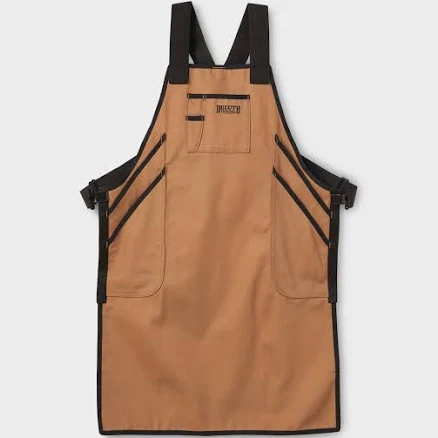
Duluth Trading Company Best Damn Fire Hose Work Apron
Skip or request PFAS details from Duluth; water-repellent coating-treated workwear typically uses PFAS.
Duluth Trading's fire hose apron uses treated canvas with water-repellent finish, where PFAS-based water-repellent coating is the industry standard. The brand makes no PFAS-free claim or testing disclosure.
Still want this one anyway? Check the price on Amazon. We’d swap it.
Material
Canvas/fire hose fabric with water-repellent coating (water-repellent coating) treatment
Lab data
No public lab test
You may also be interested in
Top-graded picks in the categories readers replace first, every one scored on the same rubric.

- polypropylene filter housing, carbon/sediment cartridge
- We found no PFAS statement from the brand
- Bacterial growth in spent cartridges
3 hazards checked on this product, all on its full breakdown.

Aquasure
Premier Series 75 GPD Under Sink Reverse Osmosis Water Filtration System
- RO membrane, carbon filters, stainless steel housing
- We found no PFAS statement from the brand
- Bacterial and microbial growth in housing and filters
4 hazards checked on this product, all on its full breakdown.

Avocado
Vegan Mattress
- organic cotton, natural latex, coconut coir, recycled steel coils
- The brand calls it PFAS-free, which we have not verified
- Heavy metals
2 hazards checked on this product, all on its full breakdown.
What Duluth Trading Company Hose Work Apron is made of, ingredients and materials
This apron is constructed from fire hose canvas, a tightly woven cotton-blend fabric designed for durability and water resistance. The water-repellent (water-repellent coating) finish is applied to the surface to shed liquids and stains. water-repellent coating treatments historically relied on fluorinated compounds (PFAS), though some manufacturers have shifted to non-fluorinated alternatives. Duluth Trading has not publicly disclosed which water-repellent coating chemistry they use on this product, making the fluorine content a genuine unknown.
What’s concerning
Category baseline
The starting point for this type of product, before anything specific to this product is counted.
No PFAS disclosure
No public statement from the brand about PFAS in this product.
Waterproof / stain-resistant treatment
Water-repellent coating treatments have historically used PFAS.
water-repellent coating (water-repellent coating) Treatment Chemistry (Fluorinated or Non-Fluorinated)
The apron carries an applied water-repellent coating finish to repel liquids. Duluth Trading has not disclosed whether this uses legacy fluorinated PFAS, newer fluorine-free alternatives, or paraffin-based treatments. Exposure risk during wear is low for a fabric that remains intact, but degradation or washing may release treatment compounds.
Wear and Tear Release of Fibers or Coating Particles
As a daily-use work apron, the fabric will experience friction and wear. Pilling, fraying, or flaking of the water-repellent coating are expected over time. Small fiber fragments are not a documented health hazard for external fabric contact, but you may want to inspect seams and hems periodically for degradation.
What’s reassuring
Formaldehyde / VOCs
Heavy-duty canvas aprons do not typically require formaldehyde-based fabric finishes (those are common in permanent-press or wrinkle-resistant apparel). Fire hose fabric relies on fiber density and water-repellent coating chemistry, not formaldehyde resins. No records of formaldehyde complaints for this product class exist.
Source, ATSDR ↗Heavy metals
Duluth Trading aprons are usually sold in neutral colors (khaki, tan, black) from natural or simple synthetic dyes. Azo dyes and heavy metal pigments are more common in brightly colored textiles. No documented dye-related safety issues are associated with this brand or product line.
Source, FDA ↗Allergic Contact Dermatitis from Dyes or Finishes
No documented allergic reactions or contact dermatitis cases are on record for this apron or Duluth Trading workwear. Risk is low if the apron is washed before wear. Individuals with known sensitivity to textile dyes or synthetic finishes may want to wash multiple times or patch-test before extended wear.
How is this PFAS grade calculated?
The brand's record and disclosure
Duluth Trading Company is known for rugged workwear and has built a reputation on durability and transparency in marketing, but they have not published formal safety disclosures, third-party certifications, or PFAS policies for their product line. No recalls or established chemical safety controversies are on record for this brand. Their silence on water-repellent coating chemistry is notable because competing workwear brands (e.g., Carhartt, Filson) have begun disclosing or eliminating PFAS from treated fabrics in response to consumer and regulatory pressure.
How it compares in its category
Work aprons in this durability tier typically rely on water-repellent coating finishes to justify premium pricing. This apron sits in the mid-to-high price range and emphasizes longevity over chemical transparency. Untreated or naturally water-resistant alternatives (wool, oiled canvas, leather) exist but are less common in the workwear market. Aprons explicitly marketed as PFAS-free (e.g., some organic cotton or wax-treated options) are rarer and often carry higher prices or shorter water-shedding lifespan.
If you buy it
Wash the apron before first wear to reduce any loose chemical residues. Use cold or warm water (not hot) to avoid accelerating any potential leaching of treatment compounds. Replace the apron if the water-repellent coating visibly degrades (beading effect disappears, stains absorb quickly), as a failing coating may release particles or require re-treatment. Store it in a dry location away from direct sunlight to extend the life of the finish and minimize unnecessary exposure windows.
What is not known about PFAS in this product?
- Basis
- Model estimate, 45% confidence, not a lab result
- Lab test
- None on record for this exact product
- Brand statement
- Duluth Trading has made a specific claim
Formulations change between production runs, so check the current label. How we grade.
What are the PFAS-free alternatives to Duluth Trading Company Best Damn Fire Hose Work Apron?
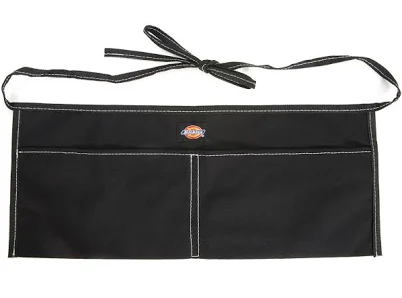
- 100% canvas cotton, uncoated
- We found no PFAS statement from the brand
- Formaldehyde / VOCs
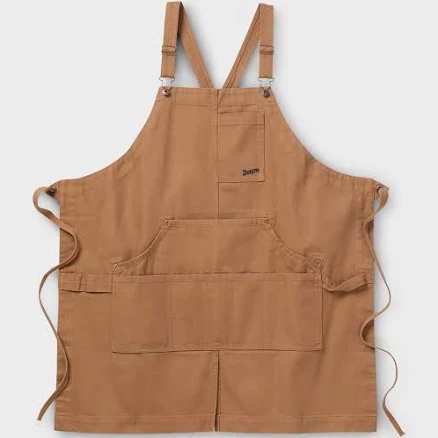
- 100% cotton canvas (Fire Hose fabric)
- Azo dyes (synthetic dye residue)
2 hazards checked on this product, all on its full breakdown.
Find an alternative on Amazon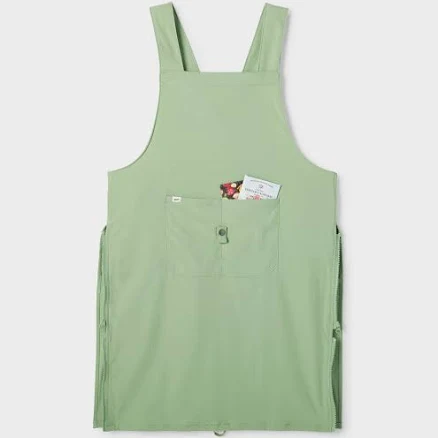
- Cotton canvas apron, no waterproof or stain-resistant coating disclosed
- Azo dyes and color fugacity
3 hazards checked on this product, all on its full breakdown.
Find an alternative on AmazonMore work aprons grades
How we score, every product runs through the same public 0-100 rubric based on materials, coatings, brand disclosure, lab findings, and recalls. See the full methodology → Spotted a mistake? Report an error.