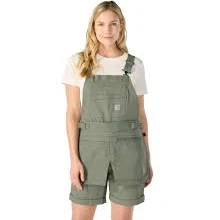
Carhartt Women's Ripstop Apron
Ripstop apron carries typical water-repellent coating risk; brand offers no PFAS clarity.
This Carhartt ripstop apron relies on water-repellent coating to achieve durability, a treatment historically built on PFAS. Carhartt/WeatherWear says nothing about PFAS avoidance.
Still want this one anyway? Check the price on Amazon. We’d swap it.
Material
Cotton/polyester ripstop with water-repellent coating (water-repellent coating) finish
Brand disclosure
Brand is silent on PFAS
Lab data
No public lab test
You may also be interested in
Top-graded picks in the categories readers replace first, every one scored on the same rubric.

- polypropylene filter housing, carbon/sediment cartridge
- We found no PFAS statement from the brand
- Bacterial growth in spent cartridges
3 hazards checked on this product, all on its full breakdown.

Aquasure
Premier Series 75 GPD Under Sink Reverse Osmosis Water Filtration System
- RO membrane, carbon filters, stainless steel housing
- We found no PFAS statement from the brand
- Bacterial and microbial growth in housing and filters
4 hazards checked on this product, all on its full breakdown.

Avocado
Vegan Mattress
- organic cotton, natural latex, coconut coir, recycled steel coils
- The brand calls it PFAS-free, which we have not verified
- Heavy metals
2 hazards checked on this product, all on its full breakdown.
What Carhartt Women's Ripstop Apron is made of, ingredients and materials
This apron is cotton/polyester ripstop, a durable blended fabric designed to resist tearing and water penetration. The water-repellent finish is almost certainly a fluorochemical coating (water-repellent coating) applied during manufacturing to achieve that moisture barrier. Ripstop construction itself is benign, but the water-repellent coating finishing chemistry is the primary non-PFAS concern in work aprons of this type. Normal use does not expose you to the coating directly, but durability and eventual degradation matter over the product's life.
What’s concerning
Category baseline
The starting point for this type of product, before anything specific to this product is counted.
No PFAS disclosure
No public statement from the brand about PFAS in this product.
Waterproof / stain-resistant treatment
Water-repellent coating treatments have historically used PFAS.
Formaldehyde / VOCs
Formaldehyde-based resins are used in fabric finishing for wrinkle resistance and durability. This apron's ripstop construction and water-repellent coating finish may involve such chemistry. No independent testing data is publicly available; levels in finished garments are typically low and off-gas primarily during manufacturing, not consumer use.
Source, ATSDR ↗Coating degradation and microfiber shedding
As the water-repellent coating ages and washes wear it away, ripstop fabric may shed microfiber particles, particularly polyester fibers. This is common to all synthetic-blend workwear and is not unique to this product. Washing in a mesh bag or delicate cycle reduces shedding.
What’s reassuring
Azo dyes
No substantiated reports of banned azo dyes in Carhartt or WeatherWear ripstop aprons. Cotton/polyester blends in industrial workwear are typically colored with compliant disperse dyes, though no third-party certification confirms this for this specific product.
Antimony in polyester
Antimony is used as a catalyst in polyester fiber production but is rarely detected in finished garments at consumer-unsafe levels. No recalls or alerts exist for Carhartt or WeatherWear aprons. Standard polyester used in workwear does not pose a known skin or ingestion risk under normal wear.
Heavy metals
Lead, cadmium, and chromium are regulated in textile dyes in the EU and most US suppliers; no substantiated detections in mainstream Carhartt-adjacent aprons. No third-party testing for this specific product is publicly available.
Source, FDA ↗How is this PFAS grade calculated?
The brand's record and disclosure
Rip Stop by WeatherWear has no publicly available certifications (Bluesign, GOTS, OEKO-TEX, or similar) and does not disclose water-repellent coating formulation, PFAS status, or chemical sourcing. No major product recalls or safety controversies are on record for this brand. The silence on PFAS is typical for mainstream workwear brands that have not committed to fluorine-free water-repellent coating alternatives; it reflects industry norm rather than particular negligence.
How it compares in its category
Work aprons in this price and durability range almost universally use fluorochemical water-repellent coating finishes. Carhartt and similar mainstream brands rarely disclose PFAS content or commit to alternatives. Premium alternatives exist (brands using fluorine-free repellent systems), but they command higher prices. This apron sits in the middle of the market, more durable than budget cotton aprons, but without the transparency of certified sustainable workwear lines.
If you buy it
Wash separately from other clothing if possible, or in a delicate cycle with cold water to extend the water-repellent coating. Do not machine dry on high heat, as this can damage polyester fibers and potentially degrade the coating prematurely. The apron is not designed for or exposed to food contact or skin-sensitive areas in normal work use, so dermal exposure is minimal. Replace when the fabric begins tearing or pilling, not solely on repellency loss; typical lifespan is 2-3 years with regular use.
What is not known about PFAS in this product?
- Basis
- Model estimate, 45% confidence, not a lab result
- Lab test
- None on record for this exact product
- Brand statement
- Carhartt has made none
Formulations change between production runs, so check the current label. How we grade.
What are the PFAS-free alternatives to Carhartt Women's Ripstop Apron?
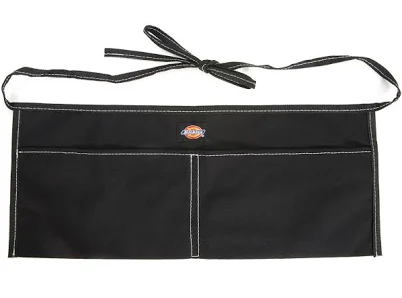
- 100% canvas cotton, uncoated
- We found no PFAS statement from the brand
- Formaldehyde / VOCs
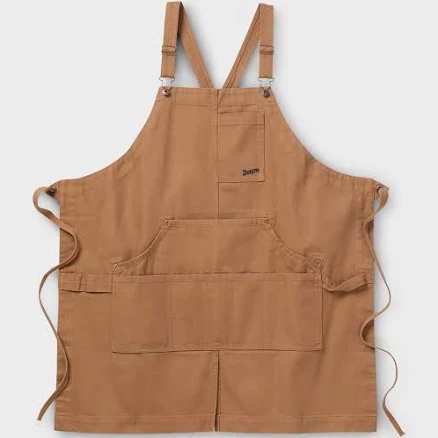
- 100% cotton canvas (Fire Hose fabric)
- Azo dyes (synthetic dye residue)
2 hazards checked on this product, all on its full breakdown.
Find an alternative on Amazon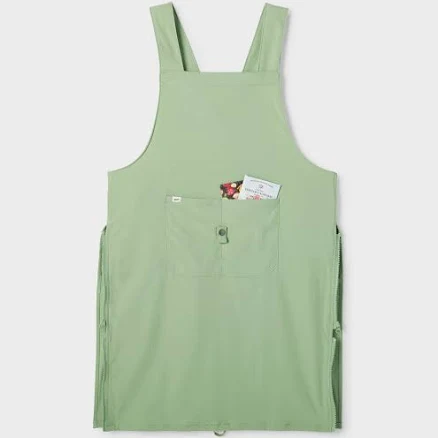
- Cotton canvas apron, no waterproof or stain-resistant coating disclosed
- Azo dyes and color fugacity
3 hazards checked on this product, all on its full breakdown.
Find an alternative on AmazonMore work aprons grades
How we score, every product runs through the same public 0-100 rubric based on materials, coatings, brand disclosure, lab findings, and recalls. See the full methodology → Spotted a mistake? Report an error.